
UK Sanctions on Israeli Settlements Face Enforcement Gaps and Diplomatic Backlash
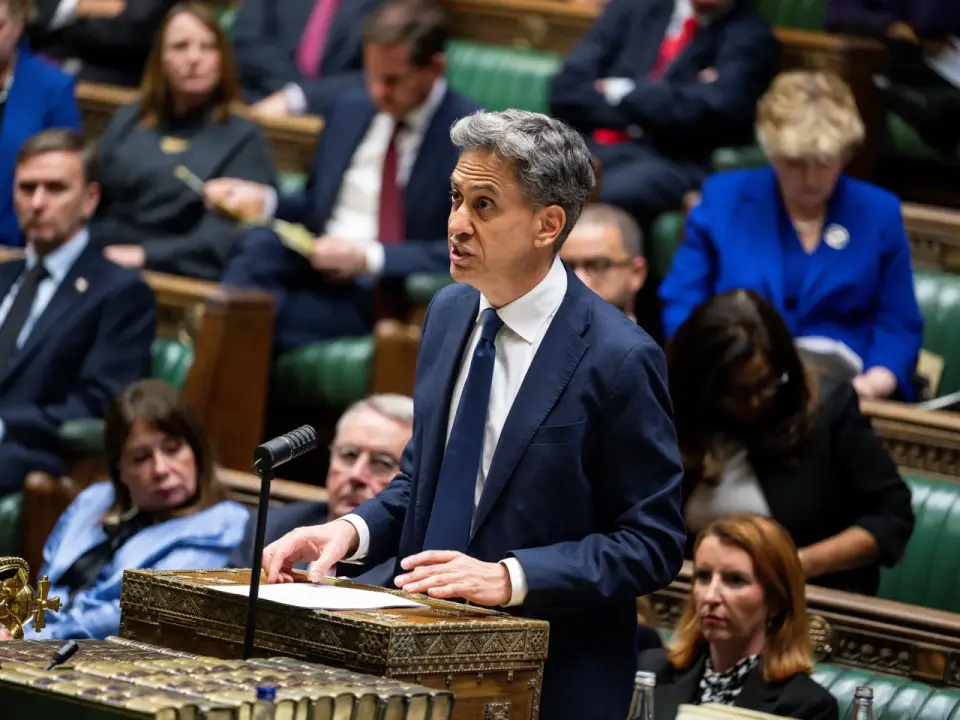
The UK government has announced a ban on imports from illegal Israeli settlements in the occupied West Bank, alongside new sanctions targeting individuals and companies profiting from settlement activity. Foreign Secretary Ed Miliband declared the settlements unlawful and accused Israeli settlers of 'ethnic cleansing,' marking a significant shift in British policy. While the move is supported by 11 other Western nations, critics question its practical impact, noting that UK-Israel trade totals £6bn while settlement-specific imports are estimated at only £6m. Enforcement remains challenging due to difficulties in distinguishing settlement goods from Israeli products, and the policy has triggered diplomatic retaliation from Israel, including the closure of the UK consulate in Jerusalem.
Key points
- The UK introduced five measures: banning settlement goods, creating powers to sanction entities supporting settlements, prohibiting settlement advertising, strengthening human rights sanctions, and targeting extremist settlers.
- The import ban targets goods from settlements, not all Israeli trade; UK-Israel trade is valued at £6bn, while recorded Palestine imports are £40m, with settlement goods potentially comprising only £6m.
- Enforcement is complicated by the lack of clear distinction between Israeli and settlement goods, as settlement products can be relabeled as Israeli to bypass the ban.
- The UK government faces a potential conflict with its new designation powers, as companies linked to settlements, such as Motorola Solutions' Airwave subsidiary, hold over £2.1bn in UK public contracts.
- Israel responded by closing the UK consulate in East Jerusalem, banning 11 British MPs and activists, and expelling British diplomats from a Gaza task force.
- The US administration did not oppose the UK-led sanctions, with Secretary of State Marco Rubio stating Washington shared concerns about West Bank stability but did not endorse the specific measures.
Background
This development follows earlier UK preparations to implement the International Court of Justice’s 2024 advisory opinion on settlements, as noted in September 2026. The move also occurs amid ongoing tensions in Gaza, where recent strikes have continued to impact humanitarian infrastructure, and broader diplomatic efforts to uphold the two-state solution.
How outlets are covering it
Al Jazeera highlights the practical limitations of the ban, noting that the UK cannot accurately quantify settlement imports and that goods may be concealed within Israeli supply chains. It also raises concerns about the government’s potential conflict with companies holding major public contracts. The BBC emphasizes the domestic backlash, particularly from the Jewish community, with Chief Rabbi Ephraim Mirvis calling the move 'political flag bearing' and warning of increased antisemitism. The Guardian focuses on the diplomatic and political shift, noting the UK’s new stance on the West Bank’s legality and the coordinated action with 11 other nations. Axios reports that the US administration did not oppose the sanctions, indicating a shared frustration with Israel’s West Bank policies, despite disagreements on the specific measures.
Why it matters
The UK’s sanctions represent a significant shift in British foreign policy, signaling a move from diplomatic caution to active confrontation with Israel over settlement expansion. The potential impact on trade, public contracts, and diplomatic relations could set a precedent for other Western nations and influence the trajectory of the Israeli-Palestinian conflict. The enforcement challenges and domestic backlash also highlight the complexities of balancing human rights concerns with economic and security interests.
What to watch
The UK government is expected to implement the sanctions within nine months, though legal challenges may cause delays. The government has not yet detailed how it will enforce the import ban or resolve the conflict between its new designation powers and existing public contracts. Israel is likely to continue retaliatory measures, and the US may further distance itself from the UK’s approach. The outcome of these sanctions will depend on the UK’s ability to navigate enforcement challenges and manage diplomatic fallout.
- What are the holes in the UK’s ban on imports from Israeli settlements? Al Jazeera
- Europe Unites to Pressure Israel, Breaking With U.S. The New York Times
- Miliband rejects chief rabbi's claim British Jews in greater danger after sanctions move BBC
- UK accuses Israeli ‘terrorists’ of ethnic cleansing in West Bank with government backing The Guardian
- Trump didn't oppose UK sanctions on Israeli settlements Axios
Want the full story? Read the original reporting
Read on Al Jazeera