
US Pressure Forces EU, Canada, and Lithuania to Drop Disinformation Conference Sponsorship
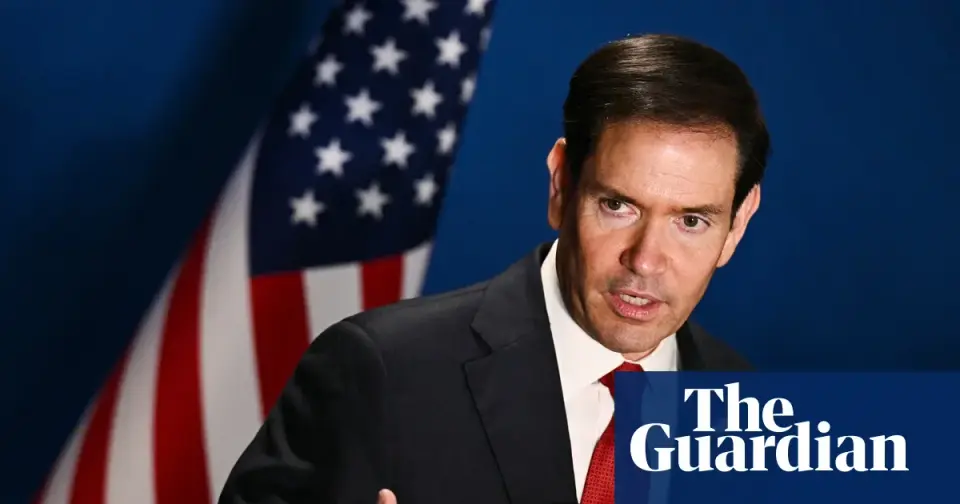
The US State Department pressured multiple governments to withdraw sponsorship from the #Disinfo2026 conference in Vilnius, Lithuania. Canada, Lithuania, and the EU’s diplomatic service removed their logos after the event included panels framing the US as a foreign information manipulation threat. France remains the sole government sponsor, while the US argues the terminology is inappropriate for an ally.
Key points
- The US State Department contacted Lithuania, Canada, and the EU’s diplomatic service, urging them to withdraw support for the #Disinfo2026 conference.
- The conference, organized by the Brussels-based non-profit EU DisinfoLab, features panels discussing the US as a source of foreign information manipulation and interference (FIMI).
- Canada, Lithuania, and the European External Action Service (EEAS) removed their logos from conference materials, with Canada and Lithuania citing misalignment with official government positions.
- France remains the only government sponsor, stating it will continue to support civil society efforts to counter disinformation.
- The US State Department criticized the conference for labeling the US a 'FIMI threat,' a term typically reserved for adversaries like Russia and China.
Background
This incident occurs amid broader tensions between the US and Europe over digital regulation and information integrity. The Trump administration has previously imposed visa restrictions on European disinformation researchers and cut funding for democracy-related programs. Additionally, the EU has recently expanded its 'Democracy Shield' initiative to counter foreign interference, a move the US has opposed as an overreach into domestic speech.
How outlets are covering it
The US State Department, represented by spokespersons and undersecretary Sarah B. Rogers, argued that labeling the US a 'FIMI threat' is a 'false equivalence' that undermines shared goals and alarms allies. They emphasized that the US is a defender of free speech and that the conference’s framing was 'reprehensible.' In contrast, The Guardian and Tech Policy Press reported that the US actively pressured governments to withdraw, with internal documents showing Washington thanking Lithuania for its compliance. Nina Jankowicz, a former US official, criticized the move as an attempt to silence criticism of the government. The Globe and Mail and CBC highlighted that the panel descriptions had been unchanged since June, suggesting the withdrawals were a direct response to US pressure rather than a genuine shift in policy. France’s foreign ministry, however, stood by its support, calling the conference a vital 'laboratory' for policy development.
Why it matters
The withdrawal of major sponsors signals a potential chilling effect on European civil society and research institutions that critique US policies. It highlights the growing influence of the US administration over European diplomatic and academic spaces, potentially limiting open discourse on information integrity. The incident also underscores the fragility of transatlantic cooperation on disinformation, as European governments prioritize diplomatic relations with Washington over supporting independent research that may be critical of US actions.
What to watch
The #Disinfo2026 conference will continue with all speakers present, but without the backing of major government sponsors. The EU and Canada will likely monitor the situation for further US pressure on other civil society initiatives. France may face increased scrutiny from Washington for its continued support, potentially leading to further diplomatic friction. The incident may also prompt a broader debate within the EU about the independence of its disinformation research community from US political influence.
- EU drops sponsorship of disinformation conference at Trump officials’ request The Guardian
- Canada drops sponsorship of conference that talks of U.S. as foreign interference actor The Globe and Mail
- European Union, Lithuania, United States Pressured by US, Brussels pulls out of Disinfo 2026 conference in Vilnius Intelligence Online
- Disinformation Conference in Europe Caught Up in Transatlantic Politics Tech Policy Press
- Canada yanks sponsorship of disinformation conference discussing U.S. as a threat CBC
Want the full story? Read the original reporting
Read on The Guardian