
European aviation and media sectors face coordinated wave of false bomb threats
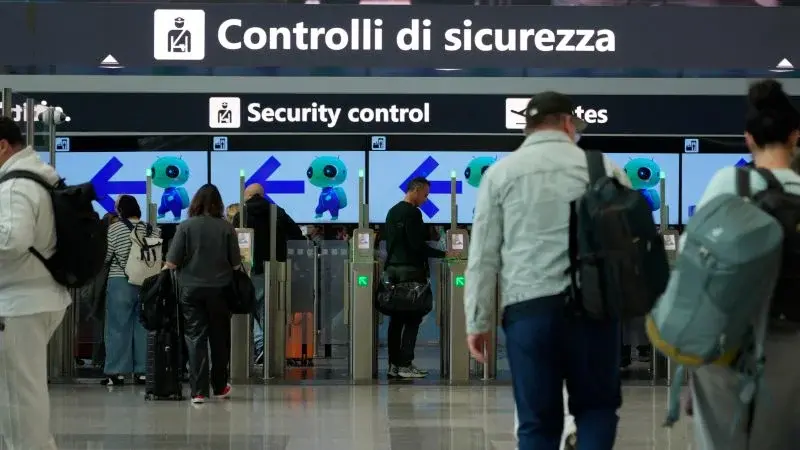
A series of anonymous hoax bomb threats has disrupted European air travel and media operations this week, targeting airports in Denmark, Czech Republic, and Hungary, as well as broadcasters including Ireland’s RTÉ and Sky. While no explosives were found, the incidents caused flight diversions, fighter jet escorts, and office evacuations. Authorities are investigating whether the actions constitute a coordinated hybrid attack, with some officials linking the disruptions to broader geopolitical tensions involving Russia, though no specific culprit has been officially identified.
Key points
- At least 14 flights were impacted by threats on Thursday, with additional disruptions reported on Friday in Copenhagen, Prague, and Hungary.
- Ireland’s national broadcaster RTÉ evacuated its offices after receiving an email claiming an explosive device was planted, a threat also reported by Sky.
- Hungarian defense officials confirmed fighter jets escorted three planes in the country’s airspace following reported threats.
- An email sent to Rome Fiumicino Airport was attributed to an anti-feminist group called 'The Male State,' though the group has denied responsibility.
- All reported threats were false, with no explosives found during subsequent searches of aircraft and facilities.
Background
This latest wave of incidents follows earlier disruptions in the same week, where multiple European flights were rerouted or searched due to similar false alarms. Previous coverage noted that these events occurred alongside cyberattacks on supermarket refrigeration systems across Europe, raising concerns about coordinated attacks on critical infrastructure. The current escalation to media organizations marks a shift from purely aviation-focused threats to broader societal disruption.
Why it matters
The incidents highlight vulnerabilities in European critical infrastructure and the potential for hybrid warfare tactics to undermine public confidence. While the immediate physical impact was limited, the coordinated nature of the threats suggests a strategy aimed at causing economic costs and testing emergency response protocols. The ambiguity surrounding the perpetrators complicates attribution, but the timing alongside other infrastructure disruptions suggests a broader campaign of psychological and operational pressure on European nations.
What to watch
European authorities are continuing investigations to determine if the threats are linked or part of a larger coordinated effort. The European Union has stated it is too early to confirm connections between the incidents. Security analysts are monitoring for further disruptions to aviation and media sectors, while governments assess whether the actions align with patterns of hybrid aggression from state or non-state actors.
Want the full story? Read the original reporting
Read on CNN