
Leaked documents reveal Russia planned 90 missile launchers for Iran
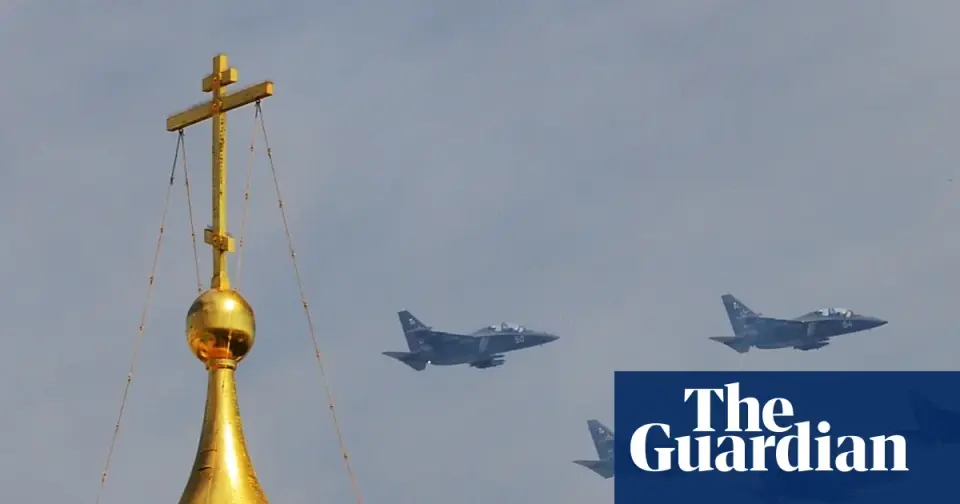
Leaked Russian defense documents indicate Moscow agreed to supply Iran with 90 launchers for advanced guided missiles, contradicting US claims of minimal support. The records, obtained by Ukrainian intelligence firm Dallas Analytics, detail a 2024-2025 production schedule for the LMUR missile system, highlighting deepening military ties despite Russian production constraints.
Key points
- Leaked documents from Russian defense manufacturer Vympel show a May 2024 plan to supply Iran with 90 APU-L launchers for the LMUR guided missile under export contract 'K-10'.
- The LMUR missile, capable of striking moving targets at 230 meters per second over 14 kilometers, is typically mounted on Mi-28 attack helicopters, which Iran has acquired.
- Deliveries were scheduled between late 2024 and December 2025, though records do not confirm whether the launchers were actually shipped to Tehran.
- The revelation contradicts President Trump’s recent assertion that Russia was doing 'very little' to help Iran, while European intelligence suggests Moscow provided satellite imagery and drone technology.
- Russia’s defense industry faces production strains from the war in Ukraine, with Vympel warning in 2024 that component delays threatened assembly schedules for both Iranian and domestic contracts.
Background
This development follows a 2025 strategic partnership agreement between Russia and Iran, which includes provisions for countering shared threats but lacks mutual defense commitments. It occurs amid heightened tensions in the Middle East, where US military resources are diverted, and Ukraine faces shortages of Patriot interceptors due to redirected Western support. Previous archive coverage noted Ukraine’s intensified strikes on Russian energy and missile supply chains, reflecting the broader strain on Russian defense production.
How outlets are covering it
The Guardian and Yahoo emphasize the depth of Russian-Iranian military cooperation, citing leaked documents that contradict US claims of minimal support. The Guardian highlights the strategic advantages Russia gains from higher oil revenues and diverted Western attention, while Yahoo focuses on the technical capabilities of the LMUR missile and potential ground-based launcher variants. NewsCord notes that while most outlets reported the deal, some, like Iran International, omitted details, and there is disagreement on whether the launchers were ultimately delivered. European intelligence agencies, cited by the Guardian, warn of broader Russian support, including satellite imagery and explosive-laden drones, whereas Moscow denies supplying military equipment for the current conflict.
Why it matters
The leaked documents reveal a significant expansion in Russian-Iranian military cooperation, challenging US narratives and complicating diplomatic efforts to end the war in Ukraine. The potential transfer of advanced missile technology could enhance Iran’s strike capabilities, affecting regional stability and US military operations in the Middle East. Additionally, the strain on Russia’s defense industry, highlighted by component delays, underscores the broader impact of the Ukraine war on Moscow’s ability to fulfill international arms deals.
What to watch
Washington is expected to weigh its next steps in the Middle East conflict, potentially imposing further sanctions or diplomatic pressure on Russia and Iran. European intelligence agencies may continue to monitor and report on Russian military support for Tehran. Russia’s defense industry will face continued pressure to balance domestic and export demands, with potential delays in fulfilling contracts for both Iran and Ukraine. Diplomatic negotiations to end the war in Ukraine may be complicated by revelations of Moscow’s military ties with Tehran.
Want the full story? Read the original reporting
Read on The Guardian