Tragic end to rescued Baltic humpback off Denmark
A humpback whale that had been rescued from a Baltic Bay and transported toward the North Sea has been found dead off Denmark, marking a somber end to a high-profile rescue operation.
All articles tagged with #baltic sea

A humpback whale that had been rescued from a Baltic Bay and transported toward the North Sea has been found dead off Denmark, marking a somber end to a high-profile rescue operation.

A privately funded rescue of a stranded humpback whale nicknamed Timmy off Germany’s Baltic coast is under heavy scrutiny after it emerged the tracking device on the whale wasn’t transmitting data. The operation, which cost about €1.5m, left Timmy’s location and health unknown days after being moved toward Danish waters. Scientists warned that lack of data could render the rescue futile or cruel, while officials and organizers faced calls for transparency and accountability, including disputes over data release and the method of release.

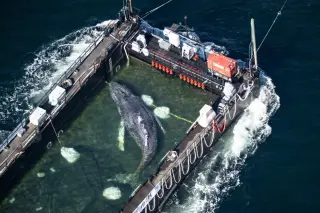
Entrepreneurs funded a rescue to move Timmy the humpback from a shallow Baltic Bay toward the North Sea on a flooded barge, a roughly 400-km, multi-day journey that scientists warn could be risky despite veterinarians deeming him transportable.

The IWC’s strandings panel says attempts to refloat the ill 10‑meter humpback Timmy off Germany’s Baltic coast are inadvisable and unlikely to succeed, even if movement to deeper water were possible. Despite barge-based rescue efforts and funding from two donors, some experts argue the operation harms the whale and should not continue. Timmy has a tracking device and veterinary support, and plans include a necropsy if the whale dies.

Rescuers in Germany are moving a sick, fatigued young humpback named Timmy from the Baltic Sea onto a flooded barge bound for the North Sea in hopes of releasing him into the Atlantic; the operation, funded by two wealthy supporters, has drawn intense public interest, but experts warn Timmy may be too weak to survive if his condition doesn’t improve.

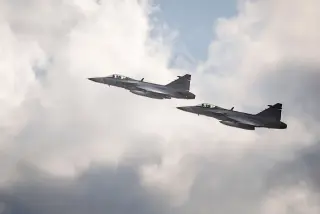
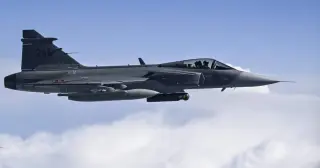
NATO jets scrambled to intercept two Tu-22M3 strategic bombers and about 10 escort fighters over the Baltic Sea for more than four hours as part of the Baltic air-policing mission, with French Rafales from Lithuania and jets from Sweden, Finland, Poland, Denmark and Romania monitoring the Russian flight. Moscow said the mission was planned and conducted in neutral waters in compliance with international rules. Interceptions on NATO’s eastern flank are routine, and Lithuania reported four scrambles between April 13–19 to address flight-rule violations such as transponder-off or no flight plan.

NATO intercepted Russian strategic bombers and fighter jets flying over the Baltic Sea on Monday, signaling a display of air power on the alliance’s eastern flank.

NATO scrambled armed fighters from multiple member states, including French Rafales stationed in Lithuania, to intercept two Russian Tu-22M3 strategic bombers and their SU-30/SU-35 escorts over the Baltic Sea in a roughly four-hour mission, part of ongoing air-policing on NATO's eastern flank.

A humpback whale dubbed Timmy remains stranded on a sandbank off Germany’s Baltic coast near Poel Island; after briefly swimming away, it got stuck again, prompting rescue workers to renew efforts with inflatable cushions and pontoons to lift it back toward the North Sea or Atlantic, signaling the whale’s relatively good health and a renewed chance at saving it.

A sick humpback nicknamed Timmy is stranded near Poel Island off Germany's Baltic coast, with ongoing rescue attempts failing to move it to deeper waters as it weakens in shallow waters near Wismar, drawing global livestream attention and leaving experts to warn that the long journey back to the North Sea and Atlantic may be unlikely.

Rescuers plan to lift the weakened humpback Timmy from a shallow Baltic Sea area off Poel using inflatable air cushions, then refloat him along the coast toward the North Sea. After earlier attempts failed and experts warned of high risk, officials approved a less invasive method deemed minimally risky, though the prognosis remains critical and the operation carries significant danger and uncertainty.

A humpback whale stranded again off Germany’s Baltic coast near Wismar Bay, extending a days-long odyssey as authorities and onlookers monitor the massive animal lying in shallow water with boats nearby and seabirds perched nearby (late March 2026).

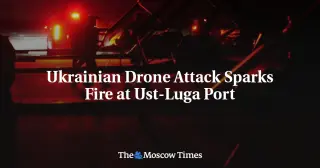
Ukrainian drone strikes hit Russia's Baltic fuel-export hubs, halting operations at Ust-Luga and threatening crude runs and fuel output as refiners seek alternative routes and cut throughput, with fuel oil bottlenecks potentially forcing plant shutdowns.

Satellite imagery and verified videos show Ukraine struck three Baltic oil export facilities in Russia’s Leningrad region—Primorsk, Ust-Luga, and Kirishi—causing large, days-long fires and disrupting export activity, with no ships loaded on 26–27 March. Analyses suggest these sites carry a substantial share of Russia’s Baltic oil traffic and that around late March as much as 40% of export capacity was halted. Kyiv says the strikes target Russia’s energy arteries, while Zelensky notes allies asked Kyiv to curb such actions due to a global energy crisis; Russia says fires are contained and no casualties.

A humpback whale stranded in Germany’s Baltic Sea near Wismar is weakening, with experts noting reduced movement and respiration; authorities have imposed a 500-meter safety zone to rest the animal and aid possible self-rescue, but the chances of its returning to the Atlantic via the North Sea are shrinking due to illness, possible injuries from fishing nets, and the bottleneck of the regional waters.