
Brazil Rejects Macron's 'Doped' Meat Label Amid EU Trade Dispute
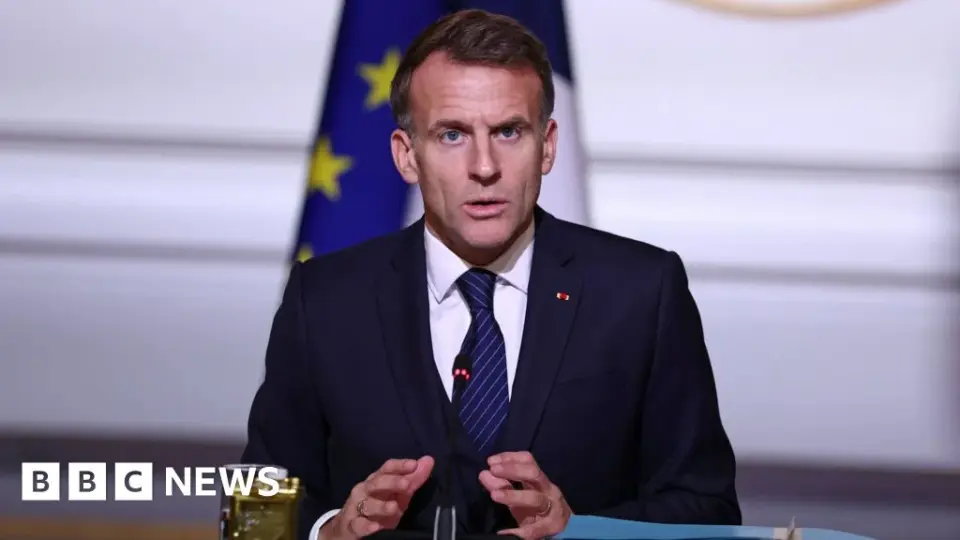
Brazil's government issued a formal statement on November 26, 2026, rejecting French President Emmanuel Macron's characterization of Brazilian meat as 'doped.' Macron made the remark on November 25 while meeting with French agricultural representatives, celebrating the EU's September 2026 suspension of imports of Brazilian animal products. Brazil's ministries called the comments 'misinformation' and 'political,' citing scientific evidence and a recent positive European audit of its poultry and beekeeping sectors. The dispute highlights ongoing tensions between the EU and Mercosur over trade rules and sanitary standards.
Key points
- On November 25, 2026, French President Emmanuel Macron described Brazilian meat as 'doped' during a meeting with agricultural unions at the Élysée Palace, praising the EU's ban on Brazilian animal imports.
- The EU suspended imports of Brazilian beef, poultry, eggs, and honey on September 3, 2026, citing insufficient controls on antimicrobials in livestock production.
- Brazil's Ministries of Foreign Affairs and Agriculture issued a joint statement on November 26, 2026, stating the country 'regrets' Macron's remarks and calling them contrary to technical and scientific evidence.
- Brazil defended its sanitary control system, noting it exports animal protein to 177 markets and passed a recent European audit of its poultry and beekeeping chains.
- Brazil accused the EU restrictions of being 'political' and potentially conflicting with World Trade Organization rules and the spirit of the Mercosur-EU trade agreement.
Background
The EU's suspension of Brazilian animal product imports took effect on September 3, 2026, following concerns over antimicrobial use. Other Mercosur members, including Argentina, Paraguay, and Uruguay, were exempt from the ban. The EU-Mercosur trade agreement, negotiated for over two decades, has faced opposition from French farmers who fear competition from South American producers. A vote on allowing Brazilian poultry and honey back into the EU market was postponed in November 2026 and is expected to return in December.
How outlets are covering it
BBC and teleSUR report that Brazil's government officially 'regrets' Macron's remarks and labels them as 'misinformation' and 'political.' The Poultry Site confirms Brazil's rejection of the 'doped' label. All sources agree that Macron's comments were made in the context of celebrating the EU's import restrictions. Brazil's perspective, as reported by BBC and teleSUR, emphasizes scientific evidence and a recent positive European audit, while Macron's perspective, as reported by BBC, frames the ban as a victory against non-compliant imports. The dispute reflects broader tensions between the EU and Mercosur over trade and sanitary standards.
Why it matters
The incident escalates a trade dispute between the EU and Mercosur, potentially affecting the long-negotiated EU-Mercosur trade agreement. Brazil's export sector faces pressure from the EU suspension and reduced shipments to China, forcing it to seek new markets. The dispute also raises questions about the application of sanitary standards and World Trade Organization rules in international trade.
What to watch
The EU's standing committee on plants, animals, food, and feed is expected to revisit the question of allowing Brazilian poultry and honey back into the EU market in December 2026. Brazil has stated it reserves the right to use available instruments to defend its producers and exporters. The diplomatic exchange may influence the broader EU-Mercosur trade negotiations.
- Brazil pushes back on Emmanuel Macron calling its meat 'doped' BBC
- Brazil regrets remarks by France's Macron regarding Brazilian meat marketscreener.com
- Brazil rejects Macron's "doped" meat remark The Poultry Site
- Brazil Criticizes Macron’s Questioning of It’s Meat Quality teleSUR English
- Brazil rejects Macron’s remarks about “doped” meat — BBC News UA.NEWS
Want the full story? Read the original reporting
Read on BBC