
Croatia Detains Second Suspect in 2022 Nord Stream Pipeline Sabotage
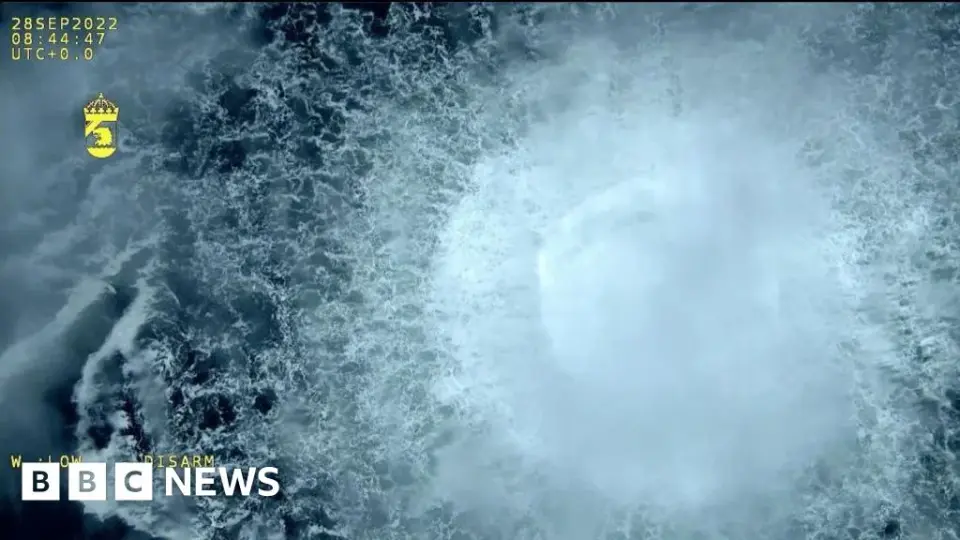
A Ukrainian scuba diver, identified as Volodymyr Zhuravlyov, was arrested in Croatia on Wednesday. German prosecutors allege he planted explosives on the Nord Stream pipelines in September 2022. This is the second arrest in the case, following the extradition of former officer Serhiy Kuznetsov from Italy to Germany. Berlin seeks to try both men in Karlsruhe, despite Kyiv denying involvement and previous Polish court refusals.
Key points
- German authorities arrested a suspect in Pula, Croatia, on a European arrest warrant. He is identified as Vladimir Z, believed to be Volodymyr Zhuravlyov, a trained diver.
- Prosecutors allege the suspect participated in dives to plant explosives on Nord Stream 1 and 2 near the Danish island of Bornholm in September 2022.
- The first suspect, Serhiy Kuznetsov, was arrested in Italy in August 2025 and extradited to Germany in November. He faces trial for orchestrating the attack.
- German prosecutors claim the goal was to permanently halt gas flows to deny Russia revenue for its war effort. Kyiv denies any state involvement.
- The suspect was previously arrested in Poland in 2025 but released after a judge ruled the act justified under wartime conditions, causing diplomatic friction.
Background
The Nord Stream pipelines, connecting Russia to Germany, were damaged by explosions in September 2022, shortly after Russia's full-scale invasion of Ukraine. The project was long opposed by Poland, the US, and Ukraine, who viewed it as a tool for Russian leverage. Germany, a key backer of Ukraine, has faced diplomatic strain over the case. Previous attempts to extradite Zhuravlyov from Poland failed in 2025, leading to his release and subsequent escape back to Ukraine, allegedly aided by a military attache.
How outlets are covering it
BBC and Al Jazeera confirm the arrest in Croatia and the extradition request, emphasizing the progress in German investigations. The Guardian highlights the diplomatic awkwardness for Berlin, noting the suspect's prior release in Poland and the friction between Warsaw and Berlin. All sources agree on the suspects' identities and the 2022 timeline, but differ on emphasis: BBC focuses on the legal process, while The Guardian details the previous failed extradition and the Polish court's justification of the act as defensive.
Why it matters
The arrest signals Germany's determination to prosecute the sabotage despite geopolitical complexities. It tests European legal cooperation and highlights the unresolved tensions between Kyiv and Berlin over the 2022 incident. The case may influence future energy security policies and diplomatic relations in Europe.
What to watch
Croatian authorities will process the extradition request. If approved, Zhuravlyov will face trial in Karlsruhe alongside Kuznetsov. German prosecutors will present evidence of the explosives and the suspects' roles. Kyiv may continue to deny involvement, potentially straining relations further.
- Ukrainian man arrested in Croatia over Nord Stream pipeline blasts BBC
- Nord Stream: Second suspect arrested over pipeline blasts dw.com
- Second Ukrainian national arrested over 2022 Nord Stream pipeline blast Al Jazeera
- Ukrainian diver arrested in Croatia over Nord Stream pipeline bombings The Guardian
- German prosecutors say second Nord Stream suspect arrested in Croatia Reuters
Want the full story? Read the original reporting
Read on BBC