
Trump’s Sudden Cut to South Korea Drills Sparks Alliance Crisis
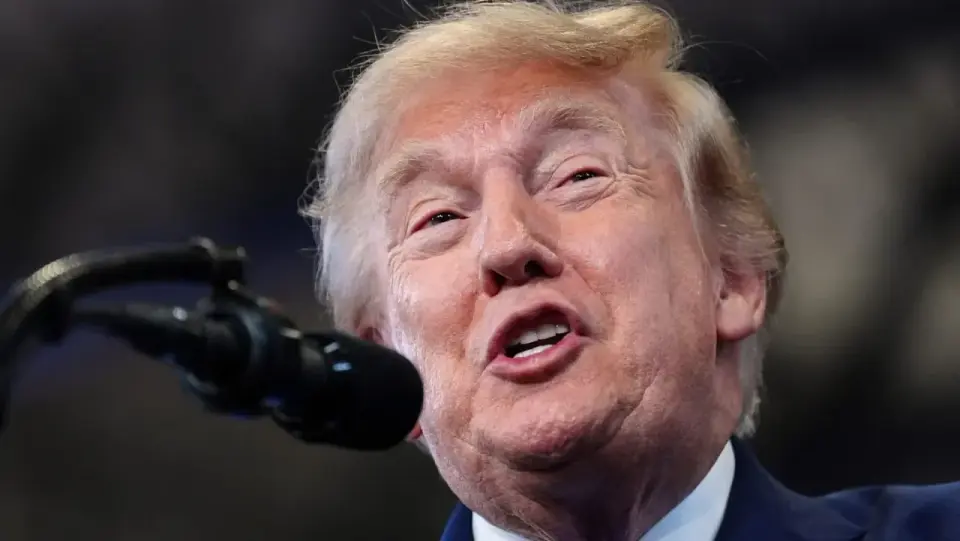
President Trump ordered a significant reduction in joint military exercises with South Korea, citing cost and North Korea’s 'respectful' behavior. Critics warn this move undermines deterrence, strains the US-South Korea alliance, and benefits North Korea, while Seoul and allies express concern over US reliability.
Key points
- Trump instructed Defense Secretary Pete Hegseth to 'substantially reduce' the Ulchi Freedom Shield exercises, scheduled for August 17-27, involving tens of thousands of troops.
- Trump justified the cut by claiming the exercises are costly and send a 'hostile' signal to North Korea, which he described as 'unthreatening and respectful' during his presidency.
- Retired Air Force Col. Cedric Leighton called the move an 'unforced error,' noting South Korea funds a large portion of the exercises and US troop upkeep, and that the cuts harm US, South Korean, and Japanese defense readiness.
- CNN reported that North Korea has expanded its nuclear arsenal and military cooperation with Russia and China, contradicting Trump’s characterization of Pyongyang as non-threatening.
- AP News noted Trump likened his stance on South Korea to his frustrations with NATO, claiming the US was rebuffed when it sought assistance for the Iran war.
- The Atlantic argued the drill cuts are a retaliatory move stemming from Trump’s frustration over the ongoing, losing conflict with Iran and depleted US military resources.
Background
This decision follows a pattern of Trump criticizing allies for burden-sharing, including previous threats regarding Greenland and NATO. Recent archive coverage noted North Korea’s short-range missile tests ahead of the drills and Trump’s broader focus on the Iran conflict, which has strained US military resources in the Pacific.
How outlets are covering it
The Hill and CNN emphasize the strategic risks to the US-South Korea alliance and the benefit to North Korea, with Leighton and retired Navy Adm. Mark Montgomery warning of reduced readiness. The Atlantic frames the move as an irrational, emotional reaction to the Iran war’s failures. AP News highlights Trump’s 'fairness' rhetoric and his claim that South Korea refused to help with Iran, while CNN notes Hegseth had previously praised South Korea’s burden-sharing in May. South Korea, per archive context, has expressed hope for talks but concerns over US reliability.
Why it matters
The decision could erode trust in US deterrence commitments, prompting South Korea and Japan to accelerate independent defense capabilities, including nuclear options, and potentially embolden North Korea and other adversaries.
What to watch
South Korea is hoping for diplomatic talks to address the situation, while the US military may need to reallocate resources from the Pacific to the Middle East due to the Iran conflict. Trump indicated he has a 'good relationship' with Kim Jong Un and may seek further dialogue.
- Retired colonel knocks Trump order to cut back on ‘critical’ joint exercises with South Korea The Hill
- Trump has handed a gift to Kim Jong Un and deepened concerns over US reliability CNN
- Live updates: Supreme Court again rebuffs Trump's push to toss out verdict in E. Jean Carroll case AP News
- Trump Will Make South Korea Pay for His Iran Humiliation The Atlantic
- Seoul rattled by threat to drills at heart of US-Korean alliance Financial Times
Want the full story? Read the original reporting
Read on The Hill