
IAEA Report Reveals Hidden Syrian Nuclear Reactor and 73 Tonnes of Uranium
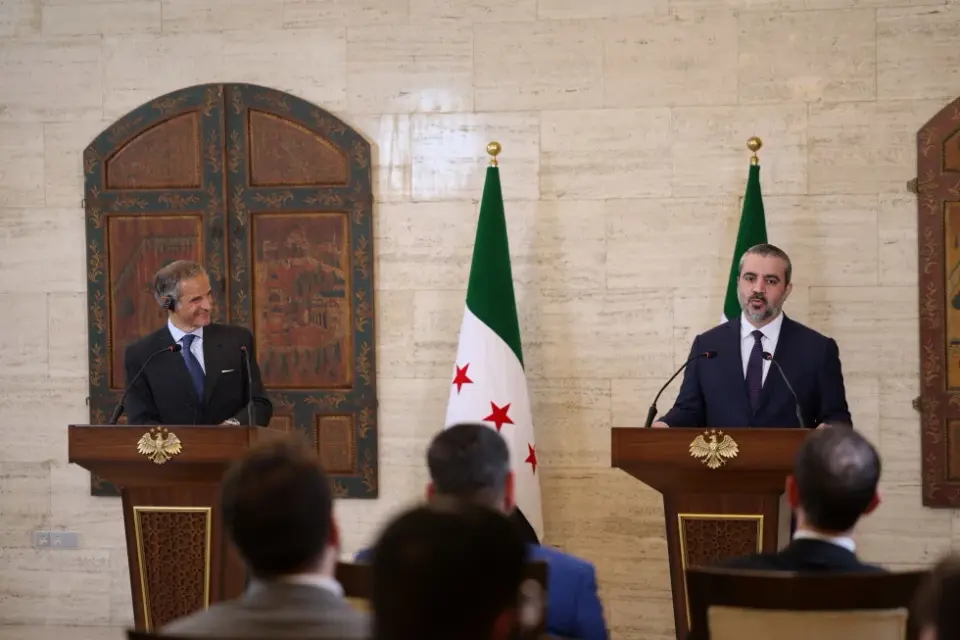
A confidential International Atomic Energy Agency (IAEA) report reveals that Syria constructed a nuclear reactor under the former Assad government. Inspectors identified three undeclared sites linked to the Deir el-Zour facility, including areas for fuel fabrication and reprocessing. A newly disclosed site contains approximately 73 tonnes of natural uranium metal, now under IAEA surveillance.
Key points
- The IAEA confirmed the existence of a nuclear reactor built by Syria during the rule of former President Bashar al-Assad.
- Three locations were identified as functionally related to the main Deir el-Zour site, including facilities for conversion, fuel fabrication, and temporary storage of construction materials.
- One site was specifically designated for planned reprocessing activities, indicating potential advanced nuclear capabilities.
- Syria notified the IAEA on July 17 of a previously undeclared site and invited inspectors to verify its contents.
- The IAEA verified the presence of approximately 73 tonnes of natural uranium metal in the form of fuel rods with cladding at this new site.
- All discovered nuclear material is currently subject to IAEA containment and surveillance measures.
Background
This discovery emerges as Syria undergoes significant political transition following the fall of the Assad regime in 2024. Recent judicial actions in Damascus have included death sentences for former officials, including Bashar al-Assad and his relatives, for war crimes and crimes against humanity. The new leadership has pursued transitional justice measures, while regional tensions involving Israel, Turkey, and the U.S. have heightened scrutiny of Syrian military and strategic assets. The revelation of undeclared nuclear infrastructure adds a new dimension to the post-conflict security landscape.
Why it matters
The discovery of an undeclared nuclear reactor and significant stockpiles of uranium raises serious concerns about non-proliferation and regional stability. It suggests that the previous regime pursued advanced nuclear capabilities without international oversight, potentially violating the Nuclear Non-Proliferation Treaty. The current containment of these materials by the IAEA is critical to preventing the diversion of nuclear material for weapons development. This finding also complicates the transitional justice process in Syria, as it highlights the extent of the previous regime's covert strategic programs and may influence future diplomatic and security negotiations in the region.
What to watch
The IAEA will likely continue monitoring the declared sites and the newly discovered uranium stockpile to ensure compliance with containment measures. Syria’s new leadership may face pressure to fully disclose any remaining undeclared nuclear activities or materials. International bodies may demand further inspections or sanctions if evidence of weapons-related activities emerges. The situation could also influence regional diplomatic dynamics, particularly regarding Israel and the U.S., as they assess the security implications of Syria’s nuclear history.
Want the full story? Read the original reporting
Read on AP News