
Norway Seizes Russian Arctic Vessel to Enforce $4.2B Ukraine Arbitration Award
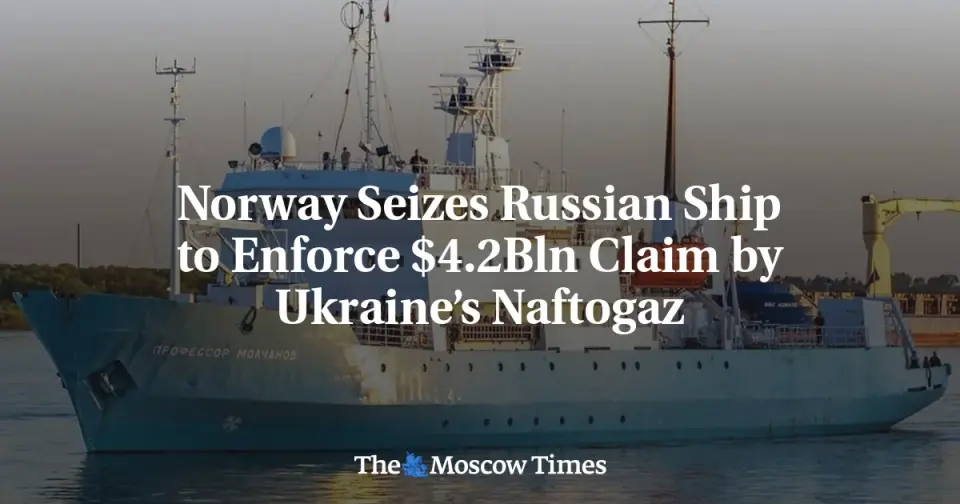
Norwegian authorities seized the Russian-owned cruise ship Professor Molchanov in Svalbard to enforce a $4.22 billion arbitration award in favor of Ukraine’s Naftogaz. The vessel was impounded at Barentsburg following a 24-hour standoff with the Norwegian Coast Guard, marking a significant step in Naftogaz’s global effort to recover assets related to Russia’s 2014 annexation of Crimea.
Key points
- The seizure was executed by the governor of Svalbard, Lars Fause, following a court order from the Nord-Troms and Senja District Court issued on Monday.
- Naftogaz, represented by law firms Covington and Wikborg Rein, has been tracking the vessel for months and anticipates its arrival in Svalbard.
- The ship is currently held at Barentsburg, a Russian mining settlement on Norwegian territory, and is prohibited from leaving its current location.
- Passengers aboard the vessel are being handled separately by Norwegian authorities, while the ship itself is subject to compulsory sale proceedings.
- Naftogaz is coordinating enforcement measures across multiple jurisdictions, including the United States, France, the United Kingdom, and Finland.
Background
In April 2023, a tribunal at the Permanent Court of Arbitration in The Hague ruled that Russia must pay Naftogaz and six associated companies $4.22 billion, plus interest and legal costs, for the expropriation of their assets in Crimea following the 2014 annexation. Russia has refused to comply with the award, leading Naftogaz to pursue legal action in various countries where Russian assets are located. The total amount owed, including interest and costs, could reach approximately $5 billion.
How outlets are covering it
The Moscow Times and AP News report that the seizure followed a 24-hour standoff with the Norwegian Coast Guard, while Euronews emphasizes the legal basis of the action, noting that the award had already been recognized as enforceable in Norway. Russian state news agency TASS described the seizure as an act of 'piracy,' and Russia is appealing the process, claiming no notice was given. Naftogaz’s acting CEO, Sergii Fedorenko, stated that Russia cannot evade responsibility by refusing to comply with the international arbitral award and vowed to continue pursuing Russian assets globally until the compensation is paid. Euronews notes that enforcement proceedings are active in around ten jurisdictions, with Russian assets already seized in Finland and France.
Why it matters
The seizure of the Professor Molchanov highlights the escalating international legal and diplomatic tensions surrounding Russia’s compliance with international arbitration awards. It underscores the global efforts by Ukraine and its allies to recover assets and enforce legal judgments against Russia, potentially setting a precedent for future enforcement actions in other jurisdictions. The incident also raises questions about the sovereignty and jurisdictional complexities in the Arctic, particularly in Svalbard, where Russian commercial activities are permitted under the 1920 Svalbard Treaty.
What to watch
Naftogaz is expected to continue pursuing Russian assets in multiple jurisdictions, including the United States, France, the United Kingdom, and Finland. Russia is likely to challenge the seizure in Norwegian courts and may seek diplomatic resolutions. The outcome of the compulsory sale proceedings for the Professor Molchanov will be closely watched as a test case for enforcing international arbitration awards against Russian state-owned assets.
- Norway Seizes Russian Ship to Enforce $4.2Bln Claim by Ukraine’s Naftogaz The Moscow Times
- Norway seizes Russian ship to enforce $4.2 billion claim by Ukrainian energy firm Reuters
- Norway seizes Russian vessel to enforce $4.22B Ukrainian arbitration claim AP News
- Norway seizes Russian ship over Ukraine's $4.2bn Crimea claim Euronews.com
- Norway Arrests Russian Research Vessel Professor Molchanov at Naftogaz’s Request Мілітарний
Want the full story? Read the original reporting
Read on The Moscow Times