
UAE’s Nusseibeh faces likely veto in UN chief race after lobbying UK’s Duncan Smith
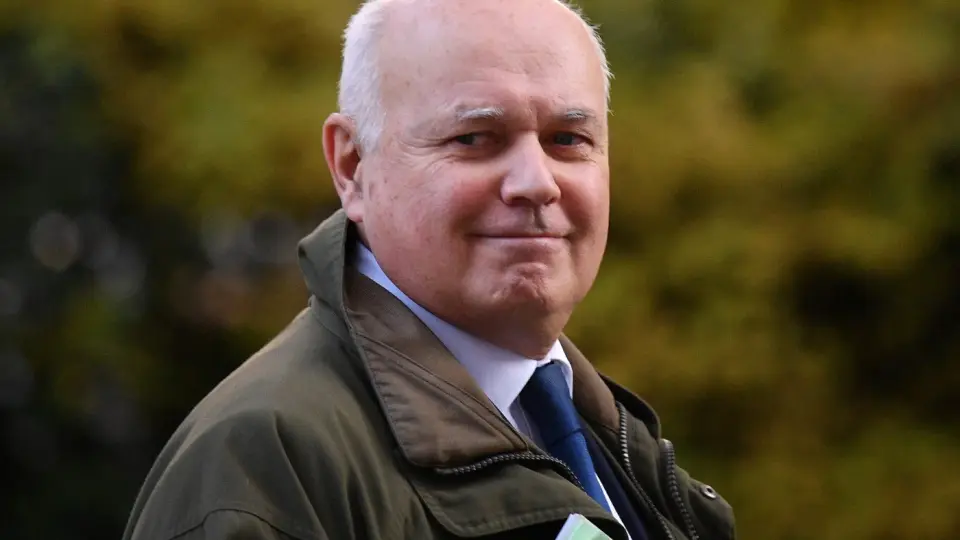
Emirati diplomat Lana Nusseibeh is effectively blocked from becoming UN secretary-general after the UK and France likely vetoed her candidacy in a recent Security Council straw poll. The vote occurred just days after Nusseibeh lobbied former UK minister Iain Duncan Smith, who criticized her for denying UAE involvement in the Sudan war. While Nusseibeh pledged to end the conflict, critics argue her past denials of UAE support for the Rapid Support Forces disqualify her. The race remains deadlocked, with Costa Rican candidate Rebeca Grynspan leading but facing opposition from the US and Russia. Guterres’s term ends on 31 December, and no candidate has yet secured the required consensus from all five permanent Security Council members.
Key points
- Nusseibeh received seven 'encourage' votes but three 'discourage' votes from the five permanent Security Council members in the latest straw poll, a hurdle that likely prevents her from winning.
- The UK and France are believed to have opposed her candidacy, while the US and Russia reportedly supported her, according to The Guardian.
- Nusseibeh met with Iain Duncan Smith, who urged her to disavow the UAE’s role in Sudan and demanded the release of two British citizens detained in Dubai.
- Nusseibeh pledged to end the Sudan war within her first 100 days but did not deny UAE involvement during her meeting with Duncan Smith.
- The race remains deadlocked, with Costa Rican candidate Rebeca Grynspan leading but facing opposition from the US and Russia.
- Guterres’s term ends on 31 December, and the selection process is the longest in UN history, exceeding 100 days.
Background
Nusseibeh, a former UAE ambassador to the UN, entered the race for secretary-general in late 2026, becoming the first woman to seriously contest the role in the UN’s 80-year history. Her candidacy faced immediate backlash over allegations that the UAE armed the Rapid Support Forces (RSF) in Sudan, where UN investigators have cited evidence of genocide. Previous coverage noted that the UK was initially leaning toward supporting her, but this shifted as criticism grew. The race has been deadlocked for over 100 days, with Guterres’s term ending on 31 December. Other candidates include Rebeca Grynspan of Costa Rica and Rafael Grossi of Argentina.
How outlets are covering it
Middle East Eye highlights the personal lobbying effort by Nusseibeh, emphasizing her meeting with Duncan Smith and her pledge to end the Sudan war. The Guardian focuses on the procedural outcome, noting that the UK and France likely vetoed her candidacy, while Politico and Euronews emphasize her campaign promises and diplomatic experience. The sources differ on the level of support she received: Middle East Eye suggests she did not deny UAE involvement, while The Guardian and Politico note her public denials of UAE support for the RSF. The Guardian also notes that China opposed her candidacy due to geographic rotation principles, while Middle East Eye suggests China was the most likely to veto her. All sources agree that the race remains deadlocked and that Guterres’s term ends on 31 December.
Why it matters
The outcome of the UN secretary-general race will shape the organization’s approach to global conflicts, including Sudan, Ukraine, and Gaza. A vetoed candidate like Nusseibeh highlights the tension between diplomatic pragmatism and multilateral integrity, as the Security Council’s five permanent members wield effective veto power. The deadlocked race, now the longest in UN history, risks leaving the UN without a new leader before Guterres’s term ends on 31 December, potentially undermining its credibility and effectiveness in addressing global crises.
What to watch
Another straw poll is scheduled for next week, with the race expected to continue until a candidate secures nine 'encourage' votes and no 'discourage' votes from the five permanent Security Council members. Grynspan remains the frontrunner but must overcome opposition from the US and Russia. If no candidate is selected before 31 December, Guterres may serve in a caretaker capacity, or the Security Council may extend the search process. Nusseibeh’s campaign is likely to end, as the three 'discourage' votes from permanent members are an insurmountable hurdle.
- Exclusive: UAE's Nusseibeh lobbied UK's Iain Duncan Smith over UN candidacy Middle East Eye
- UK and France believed to have vetoed UAE choice for UN secretary general The Guardian
- Emirati candidate for UN top job vows to end Sudan conflict amid war crimes scrutiny Politico
- UN is at a ‘turning point moment,’ UAE'S Lana Nusseibeh tells Euronews Euronews.com
- Three veto-wielding Security Council members said to oppose UAE diplomat's candidacy for UN chief The Times of Israel
Want the full story? Read the original reporting
Read on Middle East Eye