
UN Report Details 1,004 Cases of Sexual Violence in Ukraine, Blaming Russia for 89%
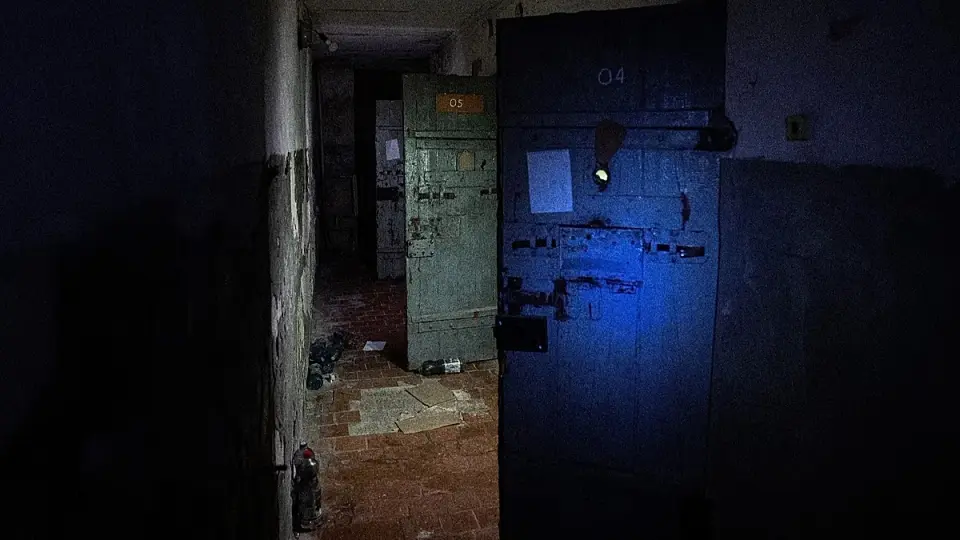
The UN Office of the High Commissioner for Human Rights (OHCHR) released a report on September 18, 2026, documenting 1,004 verified cases of sexual violence in Ukraine since the full-scale invasion began in February 2022. Russian forces are responsible for 89% of these cases, involving victims aged 4 to 82. The report details systematic torture, including gang rape and genital mutilation, primarily against male prisoners of war (POWs) and civilians in occupied territories. While 11% of cases were attributed to Ukrainian forces, nearly half of those involved only threats. UN High Commissioner Volker Türk called the acts 'abhorrent' and urged Russia to take concrete steps to stop the violence. The Kremlin dismissed the findings as politically motivated, while Ukraine welcomed the report as proof of systematic violations.
Key points
- The OHCHR report covers the period from February 24, 2022, to July 31, 2026, based on confidential interviews with hundreds of victims, court documents, and official records.
- Russian perpetrators account for 89% of the 1,004 documented cases, with the majority of victims being men held in detention facilities.
- A common method of torture involved using a Soviet-era military field telephone known as a 'tapik' to administer electric shocks to genitals, recorded in 155 cases (27% of the total).
- Women and children in occupied territories were also severely affected, with the youngest documented rape survivor being a four-year-old girl and the oldest an 82-year-old woman.
- Ukrainian forces were attributed with 11% of cases, but nearly half of these involved only threats of sexual violence against Russian POWs; the remainder included forced nudity and beatings.
- Russia was added to the UN Secretary-General's list of parties credibly suspected of committing sexual violence in conflict in May 2026, joining Sudan, Somalia, and Haiti.
Background
This report follows earlier UN documentation of torture in occupied territories and reflects the ongoing international effort to hold Russia accountable for war crimes. Previous coverage has highlighted Ukraine's strategic military operations and the broader geopolitical tensions, including EU support packages and diplomatic efforts to pressure Russia. The report underscores the systematic nature of sexual violence as a weapon of war, a practice first formally prosecuted as a crime against humanity by the International Criminal Tribunal for the former Yugoslavia in the 1990s.
How outlets are covering it
Euronews and UN News emphasize the scale and systematic nature of the violence, highlighting specific torture methods and the 'shocking pattern' of abuse. The Kyiv Independent notes the report's acknowledgment that findings are not comprehensive due to underreporting and lack of access to occupied territories. All sources agree on the 89% attribution to Russia but differ in emphasis: Euronews and UN News focus on the 'abhorrent' nature of the acts and the need for immediate cessation, while The Kyiv Independent highlights the distinction between threats and actual violations by Ukrainian forces. The Kremlin's rejection of the findings as 'politically motivated' contrasts with the Ukrainian foreign ministry's welcome of the report as evidence of systematic human rights violations.
Why it matters
The report provides a critical evidentiary basis for future accountability mechanisms and international legal proceedings. It highlights the ongoing humanitarian crisis in Ukraine and the need for concrete steps to protect civilians and POWs. The findings may influence diplomatic and military strategies, including potential sanctions and support for Ukraine's defense capabilities. Additionally, the report underscores the importance of international monitoring and the consequences of withdrawing from human rights conventions.
What to watch
The UN Human Rights Council's Independent International Commission of Inquiry on Ukraine is expected to continue documenting torture and sexual violence. International bodies may pursue further legal actions against Russian officials. Ukraine and its allies may use the report to strengthen diplomatic pressure on Russia and secure additional support for defense and humanitarian aid. The Kremlin is likely to continue denying the findings, while Ukraine may push for more comprehensive investigations and accountability.
- UN condemns 'shocking pattern' of sexual violence by Russia in Ukraine Euronews.com
- Widespread sexual violence in Ukraine war, most cases tied to Russia, says UN report Reuters
- 'Abhorrent acts' — Russian forces committed widespread sexual violence in Ukraine since full-scale invasion, UN reports The Kyiv Independent
- Evening digest: a new attack on Kyiv, a UN report on sexual violence, and Russia’s new missile tactics Межа. Новини України.
- Sexual violence against civilians and POW’s in Ukraine widespread and ‘abhorrent’ UN News
Want the full story? Read the original reporting
Read on Euronews.com