
UK Verdicts in Joanne Young Case Spark Urgent Calls to Reform Consent Laws
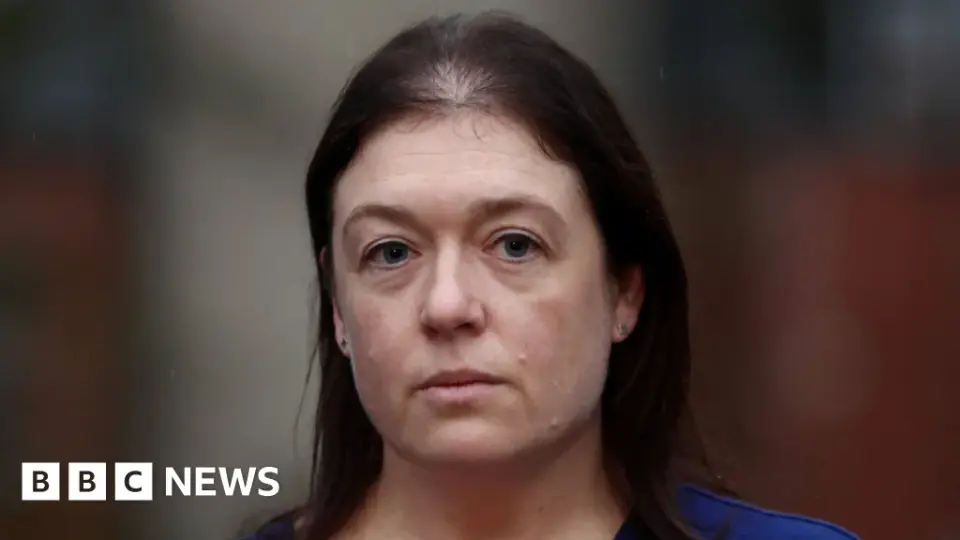
A UK jury has convicted four men of sexual offences against Joanne Young, who was drugged and advertised for sex by her husband, Philip Young. The verdicts, the first of their kind in England, have triggered widespread calls to reform consent laws to prevent 'third-party consent' from being used as a defense in rape trials.
Key points
- Four men were found guilty of sexual offences against Joanne Young, who was drugged and abused over a 13-year period by her husband, Philip Young.
- Philip Young, a former local official, pleaded guilty to 56 charges, including 11 counts of rape and 14 of voyeurism, for advertising his wife on platforms like Craigslist and Grindr.
- The defendants argued they believed Young was consenting based on assurances from her husband, but the jury rejected this 'third-party consent' defense.
- Joanne Young and her daughter Alex have urged the government to update the Sexual Offences Act 2003, which has not been revised in 23 years.
- The case mirrors the 2024 French trial of Gisèle Pelicot, highlighting the need for stronger online safety regulations and better protection for victims of drug-facilitated sexual abuse.
Background
This case follows the 2024 French trial of Gisèle Pelicot, whose husband drugged and advertised her for sex, leading to a national reckoning on consent laws. In the UK, the Sexual Offences Act 2003 defines consent as an agreement by choice, but critics argue it fails to address cases where a partner claims to consent on behalf of an incapacitated victim. The current trial is the first in England to address organized drug-facilitated sexual abuse, with prosecutors noting that such crimes are under-reported and under-detected.
How outlets are covering it
BBC and The New York Times emphasize the legal precedent set by the verdicts, noting that the jury rejected the defendants' claim that they relied on Philip Young's assurances of consent. ABC7 Chicago highlights the parallels with the Gisèle Pelicot case, stressing the need for stronger online safety regulations. The Guardian, through survivor Zoe Watts, argues that the issue is not new but under-reported, calling for better education on consent and accountability for platforms hosting 'sleep content'. All sources agree that the case highlights the need for legislative reform to protect victims of drug-facilitated sexual abuse.
Why it matters
The verdicts in the Joanne Young case have sparked a national debate on consent laws, with calls to update the Sexual Offences Act 2003 to prevent 'third-party consent' from being used as a defense. The case also highlights the need for stronger online safety regulations and better protection for victims of drug-facilitated sexual abuse, which is often under-reported and under-detected.
What to watch
Sentencing for the four convicted men is scheduled for December. The government is expected to review consent laws in response to the case, with calls to ensure that 'third-party consent' cannot be used as a defense in rape trials. Online platforms are also expected to face increased scrutiny for their role in facilitating such crimes.
- Calls for consent law change after Joanne Young rape case BBC
- 4 British Men Convicted of Sexually Assaulting Joanne Young The New York Times
- Husband Philip Young drugged, advertised wife online in Joanne Young case that recalls Gisèle Pelicot's; 4 guilty of sex crimes ABC7 Chicago
- I, too, was raped by my partner while drugged and unconscious. There are more survivors than you think | Zoe Watts The Guardian
- Joanne Young case: Four men guilty of sex crimes against UK woman drugged by husband CNN
Want the full story? Read the original reporting
Read on BBC