
Jason Arday’s death sparks debate over media cruelty and racial targeting
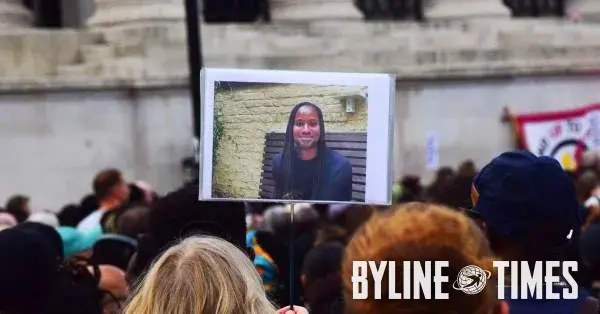
Jason Arday, a 41-year-old Cambridge professor, was found dead in London on August 14, 2026, following a weeks-long media campaign alleging plagiarism. While some outlets framed the scrutiny as legitimate academic accountability, others described it as a racially motivated 'institutional murder' fueled by far-right networks. The incident has triggered a broader reckoning on the cumulative harm of press attacks, with critics citing a pattern of 'journalism of cruelty' that has previously contributed to other high-profile deaths.
Key points
- Jason Arday resigned from Cambridge University after allegations of plagiarism and questions about his biography, stating the public scrutiny caused 'profound toll' on him and his family.
- Arday was found unresponsive in Battersea, London, on August 14; police treat the death as unexpected but not suspicious.
- The controversy began after Nathan Cofnas, a 'race realist' dismissed from Cambridge in 2024, posted claims of plagiarism and questioned Arday's qualifications.
- Critics argue the media response was a 'lynch mob' targeting a Black scholar, with outlets like The Spectator and The Telegraph publishing dozens of articles using dehumanizing language.
- Supporters of the scrutiny argue the plagiarism claims were legitimate, while opponents point to the commercial incentives of 'racebait' and the lack of institutional accountability for cumulative harm.
Background
This incident follows a pattern of high-profile deaths linked to intense media scrutiny, including David Kelly (2003), Lucy Meadows (2012), Brenda Leyland (2014), and Caroline Flack (2020). In each case, coroners or inquests noted that press attention was a significant factor in the individual's distress. The current debate echoes earlier tensions over press freedom and the ethics of public shaming, as seen in previous coverage of media accountability and the boundaries of legitimate scrutiny.
How outlets are covering it
Byline Times and Al Jazeera emphasize the racial and cruel nature of the media campaign, describing it as a 'journalism of cruelty' and 'institutional murder' driven by far-right networks and commercial incentives. They highlight the dehumanizing language used by outlets like The Spectator and The Telegraph. The BBC and The Observer provide a more neutral account, noting the plagiarism allegations and Arday's resignation, while acknowledging that some critics view the treatment as racist and others as legitimate. The Observer details the role of Nathan Cofnas and the legal battles surrounding his dismissal, while Byline Times points to the commercial model of 'monetised racebait' as a key driver. Al Jazeera draws parallels to caste-based exclusion in India, framing the 'merit' argument as a tool for systemic racism.
Why it matters
The death of Jason Arday has forced a national conversation about the limits of media scrutiny and the potential for cumulative harm from repeated public attacks. It highlights the risks of 'culture war' journalism, where outrage is monetized, and the failure of institutions to hold the press accountable for the consequences of their coverage. The case also underscores the ongoing debate over racial bias in academia and the media, with critics arguing that the targeting of Black scholars is part of a broader pattern of systemic racism.
What to watch
Expect further scrutiny of the media outlets involved, particularly The Spectator and The Telegraph, as well as calls for regulatory reform to address the cumulative impact of press attacks. The case may also lead to a broader discussion on the role of far-right networks in shaping public discourse and the need for greater accountability in academic misconduct investigations. The vigil held for Arday in Trafalgar Square on August 17, 2026, suggests that public mourning and protest will continue, potentially influencing future media practices and policy.
- Jason Arday: We Must Rage – Rage Against the Journalism of Cruelty Byline Times
- Academic who raised concerns over Jason Arday suspended by Ghent University Reuters
- Jason Arday’s death is institutional murder Al Jazeera
- Nathan Cofnas, the man at the centre of Arday plagiarism row, was dismissed for views on race The Observer
- Jason Arday: Former Cambridge university professor found dead BBC
Want the full story? Read the original reporting
Read on Byline Times