
Iran's Qasem Basir Missile Marks Shift to Preemptive Strikes in Six-Month War
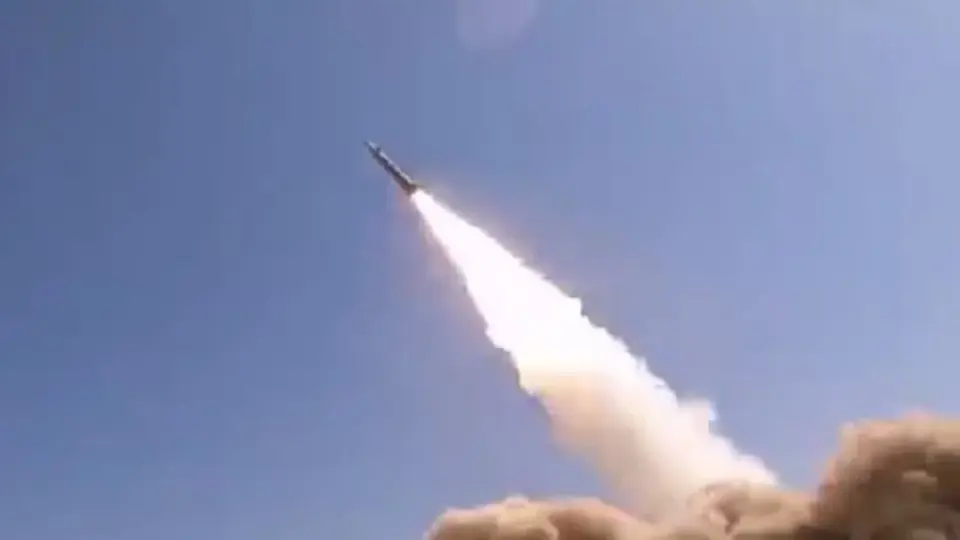
Iran's IRGC has fired its Qasem Basir anti-ship ballistic missile for the first time in the ongoing six-month war, marking a shift from retaliatory strikes to preemptive threats. The missile, named after Quds Force chief Qasem Soleimani, features a 1,200 km range and a maneuverable warhead with an electro-optical seeker that activates late in flight to evade jamming. While Tehran claims hits on US vessels, CENTCOM denies any damage, and the US Navy is now operating farther from Iranian shores. This escalation coincides with a potential agreement with Oman to control the Strait of Hormuz, signaling Iran's intent to make US coercion more expensive through economic leverage and uncertainty.
Key points
- The Qasem Basir missile, unveiled in May 2025, was fired for the first time in combat on September 5-6, 2026.
- It carries a 500 kg maneuverable warhead and uses an electro-optical/IR seeker that activates late in flight, making it resistant to electronic jamming and GPS spoofing.
- Iran claims the missile struck US warships, including an aircraft carrier and a destroyer, while CENTCOM states all incoming missiles were intercepted.
- The US Navy is now operating farther from Iranian shores, with helicopters handling escort duties inside the Gulf to mitigate missile threats.
- Iran is negotiating with Oman to establish a new corridor through the Strait of Hormuz, aiming to use the strait as an instrument of economic leverage.
- Tehran has stated it will take preemptive action against threats, signaling a shift from a purely retaliatory strategy to a more assertive posture.
Background
The conflict began in early 2026, with the US deploying the USS Abraham Lincoln and later the USS George Washington to the region for Operation Epic Fury. Previous reports indicated that the Lincoln's deployment stretched beyond 200 days, leading to crew shortages and morale issues. Russia has also been reported to be helping Iran develop supersonic missiles, further complicating the naval threat landscape. The current escalation follows a pattern of escalation, diplomacy, and renewed coercion that has characterized the six-month war.
How outlets are covering it
Eurasia Review emphasizes the psychological impact of the Qasem Basir, noting that the uncertainty it creates is a key strategic tool for Iran, as no outsider can confirm whether hits were successful. AP News focuses on the technical capabilities of the missile and Iran's warning of preemptive action, highlighting the shift in Tehran's rhetoric. The Conversation argues that Iran is now driving the escalation rather than just reacting, using the Strait of Hormuz to make US coercion more expensive and improve its bargaining position. The Independent highlights the threat of preemptive strikes, framing the missile launch as a significant escalation in the conflict. All sources agree that the US Navy is adjusting its positioning in response to the new threat, but they differ on the degree of Iran's strategic success, with The Conversation suggesting a more nuanced view of Iran's leverage.
Why it matters
The launch of the Qasem Basir missile signals a potential shift in the dynamics of the US-Iran conflict, moving from a retaliatory posture to one of preemptive threat. This could lead to further escalation, increased costs for global energy markets, and a more complex diplomatic landscape. The missile's design, which evades traditional jamming, poses a significant challenge to US naval defenses, potentially altering the balance of power in the region. Additionally, Iran's use of the Strait of Hormuz as a lever for economic pressure could have far-reaching implications for global trade and energy security.
What to watch
Iran is expected to continue using the Qasem Basir and other advanced weapons to test US defenses and maintain pressure. The potential agreement with Oman to control the Strait of Hormuz could lead to further disruptions in shipping and energy markets. The US may respond with increased military presence or diplomatic efforts to de-escalate the conflict. The outcome of these developments will depend on Iran's ability to sustain its coercive strategy and the US's willingness to engage in negotiations.
- The 1,200-Kilometre Stalker: How Iran’s Qasem Basir Pushed The US Navy Back – OpEd Eurasia Review
- Iran says improved ballistic missile shows it will take preemptive action against threats apnews.com
- Iran war: Tehran’s assertive rhetoric signals a new and dangerous phase in conflict The Conversation
- Iran threatens to take pre-emptive strike with new ballistic missiles The Independent
- Iran uses new ballistic missile to target US warships Yahoo
Want the full story? Read the original reporting
Read on Eurasia Review