
Puntland Forces Free Sanctioned Tanker Sibu 1 After Pirate Hijacking
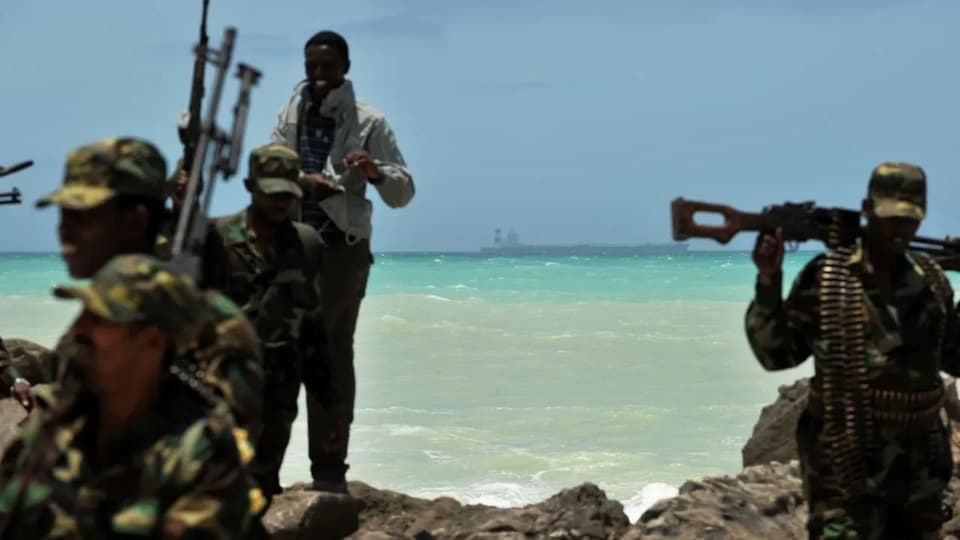
Somali authorities in the semi-autonomous Puntland region confirmed the release of the product tanker Sibu 1, which had been hijacked by pirates in August. While official statements describe a planned counter-piracy operation, conflicting reports suggest a violent gun battle involving tribal militias. The vessel, previously sanctioned by the US for transporting Iranian oil, was one of at least 13 ships attacked in the region this year, signaling a resurgence of piracy as naval resources are diverted elsewhere.
Key points
- The Puntland Maritime Police Force stated that the Sibu 1 was freed during a 48-hour counter-piracy operation, with all pirates arrested.
- The vessel, formerly known as Seamull, was sanctioned by the US Treasury in December 2025 for its role in Iran’s shadow fleet.
- The ship was hijacked on August 20, approximately 136 nautical miles east of Al Mukalla, Yemen, by six armed individuals.
- The crew consisted of 20 members, including 16 Indian nationals and four Arab crewmembers, who were held for about a month.
- This incident is part of a broader surge in piracy, with at least 13 vessels attacked off Somalia or in the Gulf of Aden in 2026.
Background
This incident follows a pattern of rising piracy in the Horn of Africa, exacerbated by the diversion of naval resources to the Middle East due to the Iran war. Earlier in August, Turkish and Somali forces jointly freed another hijacked vessel, and in September, the cargo ship Sward was released after 138 days in captivity. The return of piracy echoes the 2008-2014 crisis, which cost the global economy billions and led to massive ransom payments. The current surge threatens to increase insurance costs and disrupt global shipping routes, particularly for high-value energy tankers.
How outlets are covering it
The Jerusalem Post and local Iraqi media reported that the Al-Shaghanba tribal clan from Basra, Iraq, conducted a five-hour gun battle to free the ship, capturing seven pirates. This narrative emphasizes a tribal, non-state actor involvement. In contrast, Business Insider Africa, The Maritime Executive, and gCaptain, citing Reuters and Puntland authorities, described the rescue as a formal counter-piracy operation by the Puntland Maritime Police Force, with no mention of Iraqi tribes. The Maritime Executive noted that local media reported casualties, including three deaths, while official statements only confirmed arrests. This discrepancy highlights the complexity of the operation and the potential involvement of multiple actors, including state and non-state forces, in combating piracy in the region.
Why it matters
The rescue of the Sibu 1 underscores the ongoing security challenges in the Gulf of Aden and the Red Sea, critical routes for global oil and trade. The involvement of a US-sanctioned vessel in a piracy incident links the issues of maritime security and economic sanctions, potentially complicating international responses. The resurgence of piracy, despite previous efforts to curb it, indicates that current naval and security measures may be insufficient, especially as resources are stretched by conflicts in the Middle East. This could lead to increased costs for shipping companies and potential disruptions to global supply chains.
What to watch
Authorities in Puntland indicated that follow-up operations are ongoing to ensure the area remains secure. The International Maritime Bureau and UKMTO will likely continue to monitor the region for further incidents. Given the recent surge in piracy, there may be increased calls for international naval presence and cooperation among regional states to protect shipping lanes. The status of the three other vessels still held by pirates, including the Honour 25, Eureka, and Asana, will also be closely watched, as diplomatic efforts and negotiations may be underway to secure their release.
- Iraqi tribe reportedly kills seven Somali pirates in fight to free hijacked ship The Jerusalem Post
- US-sanctioned Iranian shadow-fleet tanker freed after Somali pirate hijacking Business Insider Africa
- Somali Forces Free Third Ship Seized by Pirates The Maritime Executive
- US-Sanctioned Oil Tanker ‘Sibu 1’ Rescued from Somali Pirates gCaptain
- Shafaq News..Basra tribesmen help free hijacked oil tanker شفق نيوز
Want the full story? Read the original reporting
Read on The Jerusalem Post