
Algae Bloom and Gaza Sewage Threaten Israel's Water Supply
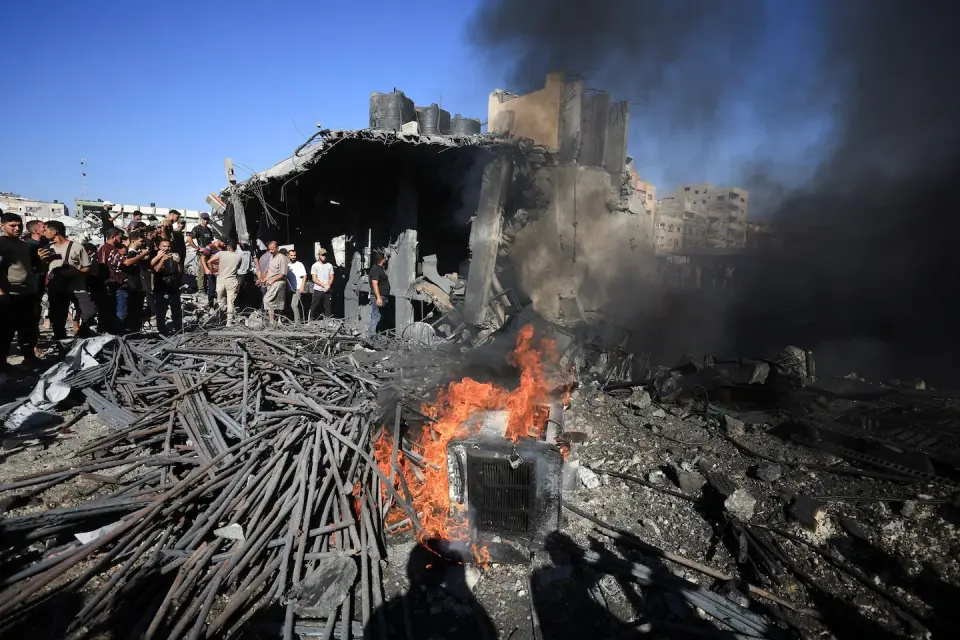
Israel faces a severe water crisis as five of its six desalination plants shut down due to an algae bloom in the Mediterranean. Experts warn that untreated sewage from Gaza's destroyed infrastructure may be fueling the bloom, while officials declare the national water sector stable despite ongoing rationing.
Key points
- Five of Israel's six desalination plants were knocked offline by microscopic algae clogging intake pipes, according to The Washington Post.
- Experts warn that untreated wastewater from Gaza's destroyed sewage system could be contributing to the algae growth, as reported by The Washington Post.
- The Jerusalem Post states that the water sector is 'fully stable' with no restrictions, though plants in Ashkelon and Ashdod remain inoperative.
- The Washington Post notes that Israeli officials have not approved repairs to Gaza's sanitation systems, posing health threats, according to Gidon Bromberg of EcoPeace Middle East.
- The Jerusalem Post reports that national reservoirs are being filled over the weekend to ensure redundancy, while The Washington Post highlights the link between Gaza's sewage and the algae bloom.
Background
This crisis follows a broader health emergency in Gaza, where the WHO warned in early September that winter rains could worsen water quality and contamination risks due to deteriorating infrastructure. Previous strikes on medical warehouses and sewage systems have left Gaza's sanitation systems in ruins, creating a potential environmental feedback loop affecting Israel's water supply.
How outlets are covering it
The Washington Post emphasizes the environmental and health risks, highlighting expert warnings that Gaza's untreated sewage is fueling the algae bloom and that Israeli officials have not approved repairs to Gaza's sanitation systems. In contrast, The Jerusalem Post focuses on the immediate stability of Israel's water sector, citing a joint statement from the Energy and Infrastructure Ministry and the Water Authority that declares the sector 'fully stable' and asserts that drinking water is 'completely safe.' CNN provides a technical overview of the microalgae bloom but does not detail the specific political or environmental disputes between the two outlets.
Why it matters
The shutdown of Israel's desalination plants threatens the water supply for millions of residents and the agricultural sector, potentially leading to long-term water shortages. The crisis also highlights the environmental and health consequences of the ongoing conflict in Gaza, where destroyed infrastructure is impacting neighboring regions. The lack of repairs to Gaza's sanitation systems could exacerbate the problem, posing risks to public health and environmental stability in the region.
What to watch
The Jerusalem Post reports that national reservoirs are being filled over the weekend to ensure redundancy, while The Washington Post notes that Israeli officials have not approved repairs to Gaza's sanitation systems. The situation may worsen if the algae bloom persists or if Gaza's sewage system remains unrepaired, potentially leading to further water shortages and health risks in the region.
- Water crisis in Israel raises fears over impact of Gaza sewage The Washington Post
- ‘Extremely rare event:’ Miles-long microalgae bloom knocks out most of Israel’s desalination plants CNN
- Officials seek to calm public after algicides dumped at sea in bid to reopen desalination plants The Times of Israel
- Israeli water supply returning to normalcy, national reservoirs to be filled The Jerusalem Post
- Editorial | Water crisis triggered by Gaza's ruin: Israel is paying the price of destruction haaretz.com
Want the full story? Read the original reporting
Read on The Washington Post