
Gaza Violence Persists Three Years After Oct. 7 Despite Ceasefire Claims
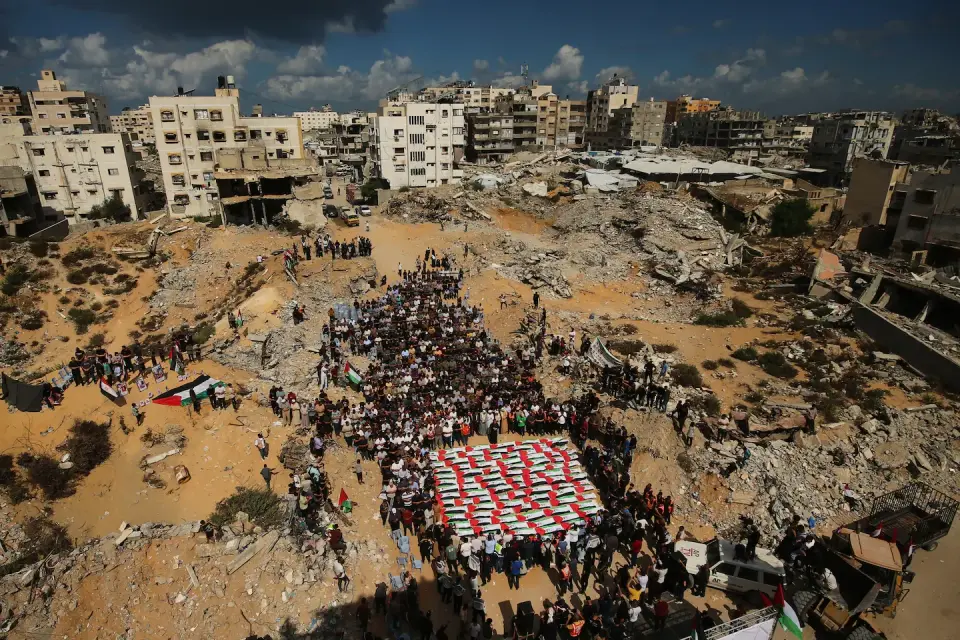
Three years after the October 7, 2023 attack, Israeli military operations in Gaza continue, resulting in rising death tolls despite a ceasefire declared in October 2025. While Israel commemorates the anniversary with national mourning, Palestinian civilians report ongoing fear and displacement. The conflict remains unresolved, with significant humanitarian consequences and stalled peace negotiations.
Key points
- Israeli strikes in Gaza continue, with the death toll climbing despite a ceasefire declared in October 2025.
- The October 7, 2023 attack resulted in approximately 1,200 deaths and 251 hostages taken by Hamas.
- Gaza's health ministry reports at least 74,243 deaths since the war began, a figure considered reliable by the UN.
- A ceasefire brokered in October 2025 has not halted violence, with over 1,313 Palestinians killed since its implementation.
- Israeli communities like Nahal Oz are rebuilding, but residents face uncertainty due to ongoing security concerns.
Background
The conflict began with the October 7, 2023 attack by Hamas, which led to a devastating Israeli military response in Gaza. Previous coverage noted that Hamas agreed to lay down arms in exchange for Israeli withdrawal, but internal divisions persist. International sympathy for Israel has waned, with critics highlighting the humanitarian crisis in Gaza.
How outlets are covering it
The Washington Post emphasizes the ongoing impact on civilians, highlighting personal stories of displacement and fear. The Guardian focuses on the scale of the humanitarian crisis, citing the high death toll and the failure of the ceasefire to bring peace. The Atlantic provides a personal account of an Israeli family returning to their home near the Gaza border, reflecting the uncertainty and fear among Israeli residents. The outlets differ in their emphasis: The Post and Guardian highlight the humanitarian crisis and the failure of the ceasefire, while The Atlantic focuses on the Israeli perspective and the challenges of rebuilding.
Why it matters
The ongoing violence in Gaza highlights the failure of the ceasefire to bring peace and the continued humanitarian crisis. The rising death toll and displacement of civilians underscore the need for a lasting resolution to the conflict. The international community's response and the political divisions within Israel and Hamas will shape the future of the region.
What to watch
The future of the conflict depends on the success of peace negotiations and the ability of the ceasefire to hold. The political divisions within Israel and Hamas, as well as the international community's response, will influence the outcome. The rebuilding of Israeli communities and the humanitarian situation in Gaza will be key indicators of progress.
- Three years after Oct. 7, Israeli strikes in Gaza grind on and deaths climb The Washington Post
- Israel marks third anniversary of 7 October Hamas attacks | First Thing The Guardian
- Three Years After October 7, I Moved Back to Nahal Oz The Atlantic
- The Most Disastrous Day in Palestinian History The Free Press
- Israelis mark three years since October 7 as Palestinians mourn Gaza's destruction Reuters
Want the full story? Read the original reporting
Read on The Washington Post