
Iran Hangs Two January Protesters in Isfahan, Escalating Crackdown
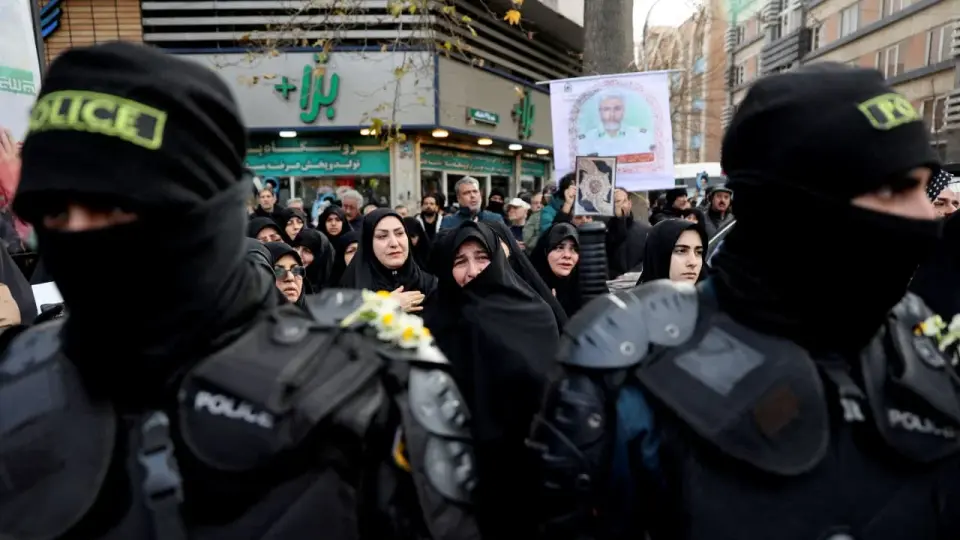
Iran publicly hanged two men convicted for their roles in the January 2026 protests in Isfahan’s Alikhani Square. The executions, which followed the deaths of two other defendants in the same case, drew sharp condemnation from the UN and human rights groups over the lack of fair trials. The move signals a shift toward open repression, with authorities now conducting executions in public squares despite international warnings.
Key points
- Amirhossein Safari and Abolfazl Sepahi were hanged on Tuesday morning in Alikhani Square, Isfahan, for allegedly attacking police with machetes and setting them on fire during the January 8 unrest.
- The two were part of a group of 12 men convicted in a closed-door trial; two others in the group were executed on July 19, leaving eight still under death sentences.
- UN Special Rapporteur Mai Sato condemned the proceedings as violating fair trial standards, citing coerced confessions and the absence of legal counsel for defendants, including one who turned 18 days before his arrest.
- The public nature of the execution, preceded by the installation of a scaffold and heavy security, marks a departure from previous covert executions, signaling the regime’s confidence following the US-Israeli war.
- Human rights groups estimate over 30,000 were killed during the December-January protests, while Tehran claims 3,117 deaths, including 427 security personnel.
Background
This development follows a series of public executions in Isfahan linked to the January 2026 protests, which erupted over economic collapse and escalated into anti-government demonstrations. The crackdown, described as the deadliest in the Islamic Republic’s history, was intensified after the US and Israel launched military strikes on Iran in late February. Previous executions in the same case, including those of Erfan Esfandiari and Gol-Mohammad Mohammadi in July, had already drawn international criticism. The current executions occur amid a broader pattern of using the death penalty to suppress dissent, with at least 24 protesters executed since the start of 2026.
How outlets are covering it
The Jerusalem Post and Euronews emphasize the public spectacle of the hanging and the regime’s apparent disregard for international perception, citing expert analysis that the move reflects post-war confidence. AP News and Iran International focus on the procedural failures, highlighting the UN’s condemnation of the closed-door trials and the risk to remaining defendants. While all sources agree on the basic facts, they differ in emphasis: JPost and Euronews frame the event as a political statement of power, whereas AP and Iran International stress the humanitarian and legal dimensions, noting the coerced confessions and the families’ lack of notice. The sources also diverge on casualty figures, with rights groups citing over 30,000 deaths and Tehran claiming 3,117.
Why it matters
The public execution of protesters in a central square signals a shift in Iran’s repression tactics, moving from covert to overt displays of force. This escalation, occurring despite UN warnings and international condemnation, suggests the regime is prioritizing internal control over diplomatic optics. The use of the death penalty as a tool to instill fear may suppress dissent in the short term but risks deepening public resentment and could fuel future unrest, particularly as economic conditions remain dire. The event also underscores the limitations of international pressure, as the muted global response has emboldened Tehran to continue its crackdown.
What to watch
Eight other defendants in the Alikhani Square case remain under death sentences, with families reporting final visits to Isfahan Central Prison, raising fears of further executions. The UN is expected to continue calling for a halt to the death sentences, while human rights groups may push for stronger international action, such as visa bans or asset freezes on regime officials. Domestically, the public nature of the executions could either deter protests or provoke new unrest, depending on the regime’s ability to maintain control and address underlying economic grievances.
- Iran publicly hangs January protesters in Isfahan's Alikhani Square, sparking outrage The Jerusalem Post
- Iran hangs 2 men convicted of killing 4 police officers in January protests AP News
- New scaffold in Isfahan fuels fears of imminent protester executions ایران اینترنشنال
- UN experts urge Iran to halt executions of 10 men arrested at anti-regime protests The Times of Israel
- Iran publicly executes two Isfahan protesters despite UN calls to stop Euronews.com
Want the full story? Read the original reporting
Read on The Jerusalem Post