
Israel Demolishes Hezbollah Tunnel Network in South Lebanon, Triggering 4.1 Tremor
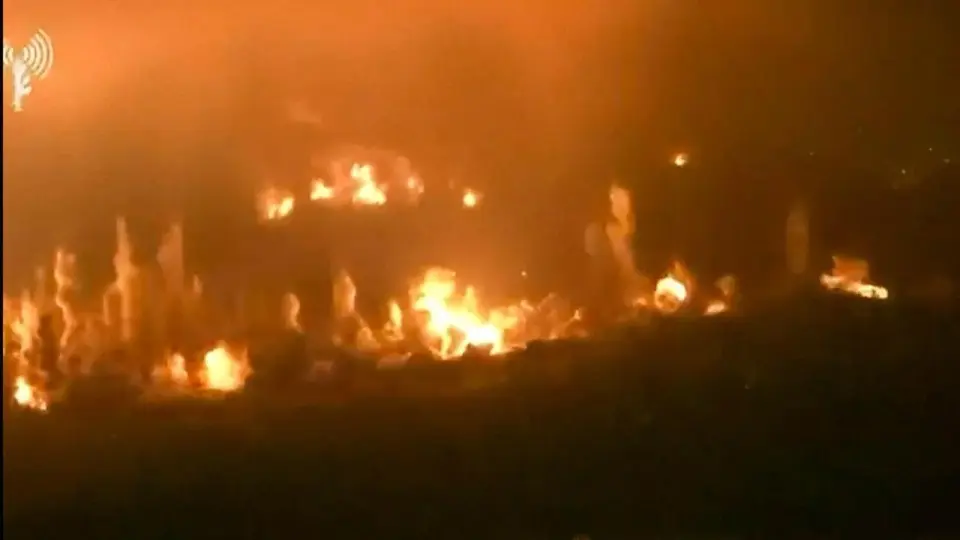
Israel announced on September 10 that it destroyed a major underground tunnel network built by Hezbollah beneath the Ali al-Taher ridge in southern Lebanon. The US Geological Survey recorded a 4.1-magnitude tremor following the explosions, which Lebanese authorities described as massive. Israeli officials claimed the operation completed their control of the ridge, while Hezbollah denied losing strategic ground.
Key points
- Israel stated it demolished tunnels built over two decades with Iranian funding beneath the Ali al-Taher ridge in the Nabatieh region.
- The US Geological Survey recorded a 4.1-magnitude tremor, and Lebanese state media reported massive explosions and strong rumbles in the area.
- Israeli forces claimed the underground complex contained dozens of rockets, missiles, UAVs, anti-tank missiles, and a command center for Hezbollah's 'Badr' unit.
- Prime Minister Benjamin Netanyahu and Defence Minister Israel Katz declared the action completed Israel's operational control of the ridge, both above and below ground.
- Hezbollah officials denied the claim of Israeli control, stating their fighters remained deployed in the area and prepared to confront any advance.
Background
This development follows a months-long conflict that began in March 2026 when Hezbollah joined the Middle East war in support of Iran. A ceasefire was reached in June, but violence has intensified recently, with Israeli strikes killing 13 people in the past week. Previous archive coverage highlights the extensive destruction of homes in southern Lebanon and ongoing disputes over Israeli security zones and Hezbollah disarmament.
How outlets are covering it
France 24 emphasizes the physical destruction of the infrastructure and the seismic impact, citing Israeli claims of total operational control. Middle East Eye provides a more nuanced view, noting that while Israel claims control, Hezbollah disputes this, arguing the withdrawal was a tactical cost-benefit decision rather than a strategic defeat. Middle East Eye also highlights that the ridge's loss may allow Israel to reverse the direction of the military threat toward Nabatieh, but notes that the broader contest over southern Lebanon remains unresolved.
Why it matters
The destruction of the tunnel network marks a significant shift in the conflict, potentially altering the balance of power in southern Lebanon. It tests the durability of the US-brokered ceasefire and raises questions about whether Israel can use the ridge as a platform for further advances or if Hezbollah can absorb the loss without a wider collapse of its military posture.
What to watch
Analysts suggest the next phase will depend on whether Israel can consolidate its positions and neutralize the underground infrastructure to constrain Hezbollah's movement. Hezbollah's response will likely focus on demonstrating that the loss of one position does not equate to a broader strategic defeat, while Israel may use the ridge as leverage in ongoing negotiations with Lebanon.
- Israel destroys Hezbollah tunnel network in south Lebanon, triggering 4.1-magnitude tremor France 24
- Israel says it destroyed Hezbollah underground complex at Lebanon's Ali al-Taher Reuters
- IDF: Over 1,100 tons of explosives used to blow up tunnel system in south Lebanon The Times of Israel
- Live updates • IDF destroys Hezbollah stronghold on ridge in southern Lebanon Haaretz
- What Israel’s 'operational control' of strategic hill really means for Hezbollah and Lebanon Middle East Eye
Want the full story? Read the original reporting
Read on France 24