
Israel Entrenches in Southern Lebanon as Ceasefire Frays
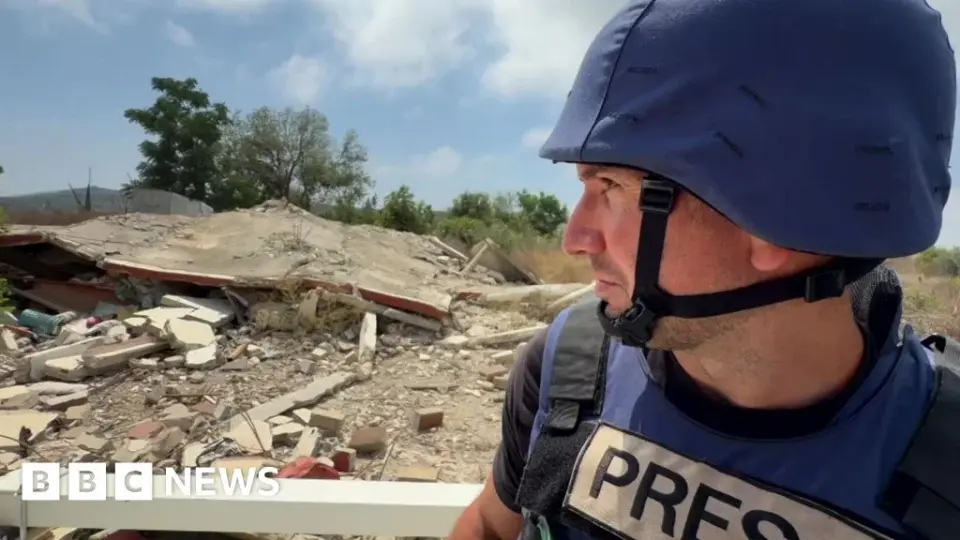
Israeli forces are consolidating a permanent presence in southern Lebanon, expanding their footprint to roughly 5% of the country’s territory. Despite a June ceasefire, the IDF has established nine bases and continues airstrikes, while Hezbollah launches drone attacks. Diplomatic efforts to disarm Hezbollah have stalled, with officials warning of a 'Gaza-like' entrenchment.
Key points
- Israeli military has expanded its occupation in southern Lebanon to approximately 5% of the country's territory, extending up to 10 kilometers from the border.
- The IDF has established nine bases in the region, including four new ones, and has begun fortifying positions with protective infrastructure and engineering works.
- Despite a ceasefire declared in June, the Lebanese military has recorded over 5,000 violations by Israel, including airstrikes, drone attacks, and near-daily incursions.
- Hezbollah has launched explosive drones at Israeli troops in the Ali Taher Ridge area, prompting retaliatory strikes by the IDF in the Nabatieh area.
- Diplomatic talks regarding 'pilot zones' and Hezbollah disarmament have stalled, with Hezbollah leader Naim Qassem rejecting the framework as 'surrender with humiliation.'
- Hundreds of thousands of Lebanese remain displaced, and human rights groups describe Israel's destruction of civilian infrastructure as a potential war crime.
Background
This situation follows a broader regional conflict that began in March 2026 when Hezbollah supported Iran against US and Israeli strikes. Previous coverage noted ongoing environmental damage from Israeli military actions, including wildfires in southern Lebanon, and the displacement of thousands of residents in cities like Nabatieh. The current standoff reflects a failure to implement a ceasefire agreed upon in June, with Israel maintaining a 'security zone' to protect northern Israeli communities from rocket and drone threats.
How outlets are covering it
BBC and UNIFIL emphasize the long-term entrenchment of Israeli forces, describing the expansion as a consolidation of military positions and the destruction of civilian infrastructure. In contrast, the IDF and Jerusalem Post focus on immediate security threats, citing Hezbollah drone attacks as justification for strikes. IFCJ highlights the political dimension, noting that Hezbollah's refusal to hand over the Ali Taher Ridge is blocking ceasefire negotiations. While BBC and UNIFIL view the situation as a potential war crime and a humanitarian crisis, Israeli outlets frame it as a necessary defensive measure against an active militant group.
Why it matters
The failure to implement a ceasefire in Lebanon risks a prolonged conflict, with Israel's permanent occupation potentially mirroring the situation in Gaza. The displacement of hundreds of thousands of Lebanese and the destruction of civilian infrastructure raise serious humanitarian and legal concerns. The stalled diplomatic talks and the ongoing drone exchanges suggest that the region remains volatile, with no clear path to a permanent resolution.
What to watch
The Israeli election at the end of October may influence the trajectory of the conflict, but no significant changes are expected before then. The 'pilot zones' plan is currently dead, and Hezbollah's refusal to disarm without a full Israeli withdrawal creates a deadlock. Continued drone attacks and airstrikes are likely to persist, with the potential for further escalation if diplomatic efforts fail to resume.
- BBC travels inside occupied Lebanon as officials say Israel is expanding positions BBC
- IDF: Hezbollah Launched Explosive Drones at Troops in Southern Lebanon, Prompting Strikes Haaretz
- IDF strikes southern Lebanon after sirens sound in Israel jpost.com
- Israeli artillery shelling reported in southern Lebanon Middle East Eye
- IDF and Hezbollah Exchange Strikes Amid Detainee Exchange IFCJ
Want the full story? Read the original reporting
Read on BBC