
Israel weighs Iran’s military recovery against October 27 election deadlines
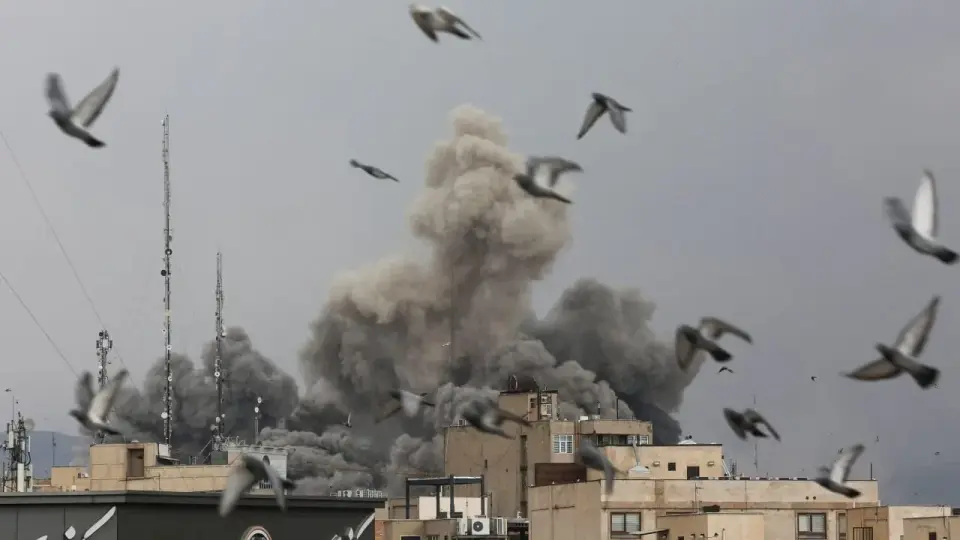
Israeli officials are monitoring Iran’s rapid military reconstruction following Operation Roaring Lion, warning that Tehran’s actions could force a defensive response despite Prime Minister Benjamin Netanyahu’s desire to avoid escalation before the October 27 Knesset elections. While Israel Hayom suggests a direct Iranian attack is unlikely, The Jerusalem Post reports that security assessments are being updated as Iran’s capabilities recover. US Secretary of War Pete Hegseth held an unannounced meeting with Netanyahu and Defense Minister Israel Katz at the Ovda Airbase to discuss potential renewed strikes on Iranian nuclear and military facilities.
Key points
- Israeli security consultations indicate Iran is actively rebuilding military capabilities damaged during Operation Roaring Lion.
- Netanyahu prefers to avoid a state of emergency to ensure the October 27 elections proceed on schedule.
- US Secretary of War Pete Hegseth met with Israeli leadership at the Ovda Airbase in southern Israel on Monday.
- The meeting included Defense Minister Israel Katz and National Security Council head Shmuel Ben Ezra.
- Neither the Israeli Prime Minister’s Office nor the Pentagon issued official statements regarding the discussions.
Background
The current security assessments occur against the backdrop of a tight Israeli parliamentary race, where polls show a deadlock between Netanyahu’s coalition and Gadi Eisenkot’s opposition bloc. Recent legal challenges have restored the participation of Arab-majority parties, making their support crucial for forming a government. Additionally, Netanyahu recently held a secret meeting with UAE President Sheikh Mohammed bin Zayed Al Nahyan in Abu Dhabi, highlighting diplomatic efforts to manage regional tensions ahead of the vote.
How outlets are covering it
The Jerusalem Post emphasizes the risk that Iran’s military recovery could force Israel into a defensive action, potentially disrupting the election timeline. In contrast, Israel Hayom reports that senior diplomatic and security officials consider a direct Iranian attack unlikely, noting that Tehran is instead focusing on the Strait of Hormuz to drive up oil prices and influence US congressional elections. While both outlets acknowledge the possibility of escalation, they differ on the immediate threat level, with Israel Hayom highlighting Iran’s vulnerability to Israeli retaliation as a deterrent.
Why it matters
The interplay between Iran’s military reconstruction and Israel’s domestic political cycle creates a volatile environment where security decisions could override electoral schedules. The unannounced US visit signals heightened coordination between Washington and Jerusalem regarding potential strikes, which could impact regional stability and global oil markets. The outcome of the October 27 elections may also determine the future direction of Israel’s foreign policy and its relationship with the US and Gulf states.
What to watch
Israel will continue to monitor Iran’s military preparations, with security assessments being updated as developments unfold. The US and Israel may proceed with discussions regarding potential strikes on Iranian nuclear and military facilities, depending on the pace of Tehran’s recovery. The October 27 Knesset elections will proceed as planned unless a state of emergency is declared, though the tight race and the role of Arab voters remain key factors in determining the next government.
- Benjamin Netanyahu, Israel monitor Iranian military buildup ahead of Knesset elections The Jerusalem Post
- Israeli soldiers cast election ballots at bases, outposts and beyond borders The Times of Israel
- 'All the enemies of Israel want me to lose,' Netanyahu tells 'Post' in pre-election day interview The Jerusalem Post
- Netanyahu says Iran and its proxies may target Israel ahead of October 27 polls Moneycontrol.com
- Iran unlikely to attack Israel directly, may seek to disrupt elections www.israelhayom.com
Want the full story? Read the original reporting
Read on The Jerusalem Post