
Iran summons cleric Kharrazi after he details plan to replace republic with hardline theocracy
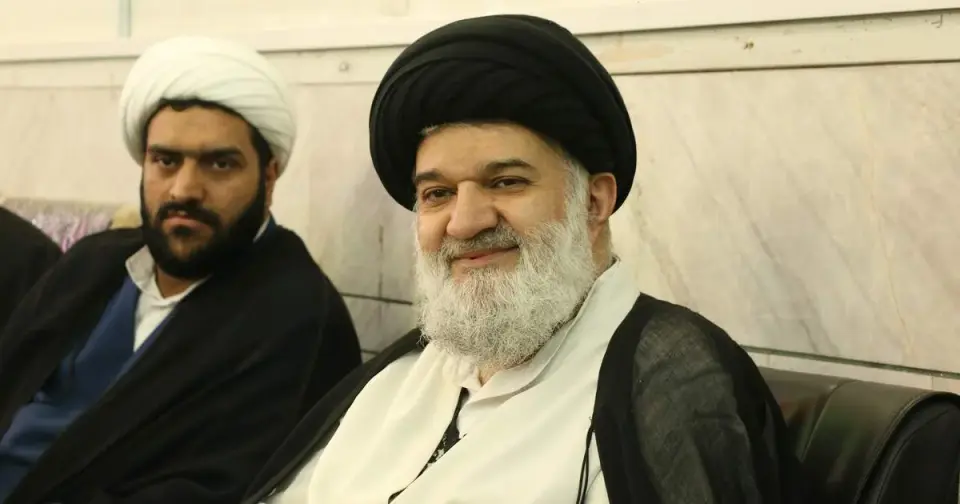
Iranian cleric Mohammad-Bagher Kharrazi has been summoned to the Special Clerical Court after publicly declaring the Islamic Republic obsolete and outlining a detailed plan to replace it with a more hardline 'Islamic government.' In a recent video, Kharrazi, who heads the Hezbollah of Iran organization and is related by marriage to the ruling Khamenei family, claimed his group maintains a 'shadow government' and 60 volumes of transition plans. He called for a recruitment drive to build a 250,000-strong network capable of surrounding government ministries in Tehran. Judiciary spokesperson Asghar Jahangir confirmed that criminal proceedings began immediately following these remarks. Kharrazi also attacked President Masoud Pezeshkian and claimed Supreme Leader Mojtaba Khamenei holds views far more radical than his father, claims the leader's office has previously denied as unauthenticated.
Key points
- Cleric Mohammad-Bagher Kharrazi was summoned to the Special Clerical Court, which handles cases involving clergy, following his public statements.
- Kharrazi declared the Islamic Republic 'doesn't work anymore' and proposed replacing it with an 'Islamic government' using a 250,000-strong network.
- He claimed his organization, Hezbollah of Iran, has produced 60 volumes of plans and maintains a 'shadow government' ready to move on a single announcement.
- Kharrazi, who is related by marriage to the Khamenei family, called President Pezeshkian a 'buffoon' and predicted his government would not survive.
- The Supreme Leader's office previously rejected Kharrazi's claims about Mojtaba Khamenei's views as unauthenticated and false.
Background
This incident occurs amid broader instability in Iran, including post-war economic pressures and internal political tensions. Earlier coverage noted US-Iran diplomatic efforts and economic strain on the regime's security forces. Kharrazi’s family is deeply embedded in the establishment, with his uncle having headed foreign policy until his death in recent airstrikes, and his father serving in the Assembly of Experts.
How outlets are covering it
Iran International reports that Kharrazi’s statements represent a direct challenge to the current regime from within the clerical establishment, highlighting a potential vacuum in leadership authority. The outlet notes that while the judiciary has moved to prosecute him, the ability of the new Supreme Leader to silence such figures remains unclear. Secondary sources were largely inaccessible or blocked, but the available data from Iran International suggests a narrative of internal fragmentation, where hardline figures are openly planning to replace the current system with a more radical theocratic structure, despite official denials from the leader's office.
Why it matters
The summoning of a high-profile cleric who is related to the Supreme Leader signals deep internal fractures within Iran's ruling elite. Kharrazi's explicit plan to mobilize 250,000 supporters to surround government sites poses a direct threat to regime stability. His claims that the current system is obsolete and that the Supreme Leader is more radical than his father suggest a power struggle that could escalate into open confrontation or further political fragmentation, potentially undermining the government's ability to manage economic and security challenges.
What to watch
The Special Clerical Court will likely proceed with criminal charges against Kharrazi, though details are pending. The Supreme Leader's office may issue further denials or take action to curb Kharrazi's influence. If Kharrazi's network is as large as claimed, there is a risk of mobilization or unrest. The government may also intensify efforts to control the narrative around Mojtaba Khamenei's views to prevent further challenges from within the clerical establishment.
- Cleric summoned after calling to replace Islamic Republic with ‘Islamic government’ Iran International
- Hardline cleric who vowed to buy Man United wants to keep Iran at war The Telegraph
- A Khamenei in-law is openly recruiting to replace the Islamic Republic Iran International
- An Iranian Coup Is Coming for the Strait of Hormuz The Times of Israel
- When Loyalists Turn on Each Other: Iran's Clerical Infighting Exposes Mojtaba Khamenei's Fragile Grip on Power irannewsupdate.com
Want the full story? Read the original reporting
Read on Iran International