
Pre-October 7 Warnings from Arab Allies Become Central to Netanyahu's Election Defense
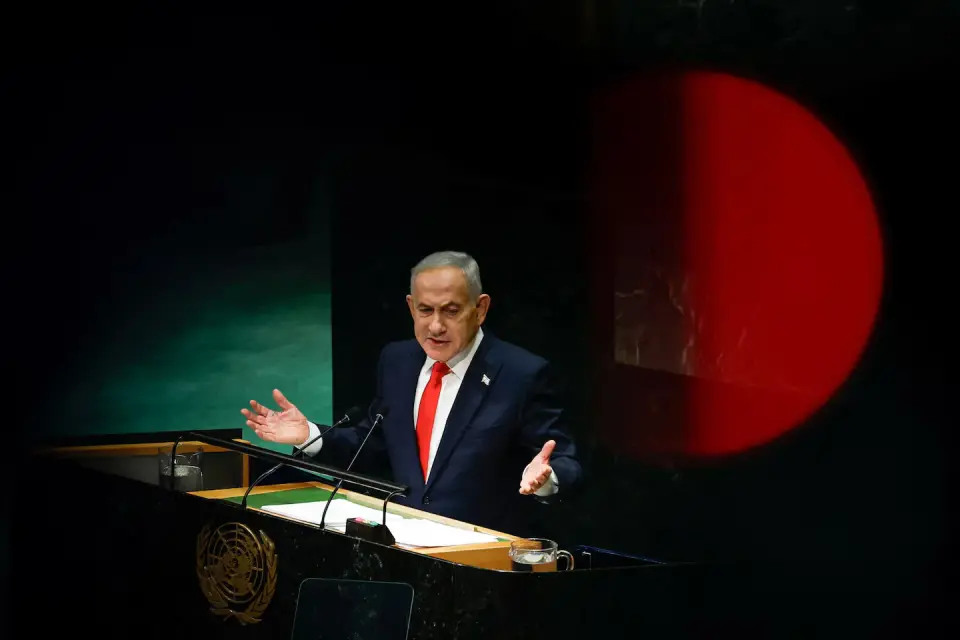
Reports that Arab officials warned Israeli Prime Minister Benjamin Netanyahu about a major Hamas threat days before the October 7, 2023 attack have intensified scrutiny of his leadership ahead of the October 27 election. Netanyahu denies receiving these alerts, blaming security chiefs, while opposition leaders demand an independent investigation. The controversy has dominated the campaign, with rivals pledging to probe the alleged intelligence failures if elected.
Key points
- Multiple reports indicate that Egyptian and Emirati officials warned Netanyahu of a serious threat from Gaza shortly before the October 7, 2023 attack.
- Netanyahu denies receiving these warnings, attributing the failure to his security chiefs, and has threatened legal action against media outlets reporting the claims.
- The controversy has become a central issue in the upcoming Israeli election, with opposition leaders demanding an independent inquiry into the alleged intelligence failures.
- Netanyahu's coalition is trailing in polls, though analysts suggest the leaks may have limited impact on undecided voters.
Background
In early September 2026, Netanyahu rejected claims that UAE President Mohammed bin Zayed warned him about the Hamas attack, calling the allegations a 'sinister plot' and initiating defamation proceedings against the Haaretz newspaper. This followed earlier reports of pre-attack warnings from regional officials, which have become a recurring theme in Israeli politics and international scrutiny.
How outlets are covering it
The Washington Post and The Atlantic both report on the pre-October 7 warnings, but emphasize different aspects. The Washington Post focuses on the political implications for Netanyahu's upcoming election, noting that the controversy has put him on the defensive. The Atlantic, on the other hand, provides a detailed account of the visit by Egypt's intelligence chief, Abbas Kamel, to Tel Aviv on September 26, 2023, highlighting the specific warnings and recommendations made to the Israeli government. Both outlets agree that the warnings were serious and that Netanyahu's denial has intensified scrutiny of his leadership.
Why it matters
The pre-October 7 warnings have become a central issue in the Israeli election, with opposition leaders demanding accountability and an independent investigation. The controversy has the potential to shift the balance of power in the upcoming election, as voters weigh the alleged intelligence failures against Netanyahu's record and policies. The outcome of the election could have significant implications for Israel's security and foreign policy, as well as for the broader Middle East region.
What to watch
The October 27 election will determine whether Netanyahu remains in power or is replaced by a new government. If the opposition wins, they have pledged to investigate the alleged intelligence failures and hold those responsible accountable. If Netanyahu wins, he will likely continue to deny the warnings and blame his security chiefs, while facing continued scrutiny from the international community. The outcome of the election could also have implications for Israel's relations with its Arab neighbors and for the broader Middle East region.
- Reports that Netanyahu ignored Oct. 7 warnings dominate Israeli election The Washington Post
- Egypt Warned Netanyahu of Impending Attack on Israel Before Oct. 7 WSJ
- Netanyahu Is Said to Have Been Warned About Hamas Attack Before Oct. 7 The New York Times
- Gallant says Shin Bet received Sinwar ‘quake’ warning before Oct. 7, but misread its meaning The Times of Israel
- Egypt’s Warning to Israel The Atlantic
Want the full story? Read the original reporting
Read on The Washington Post