
Israel Entrenches in Southern Lebanon as 'Pilot Zones' Fail to Restore Order
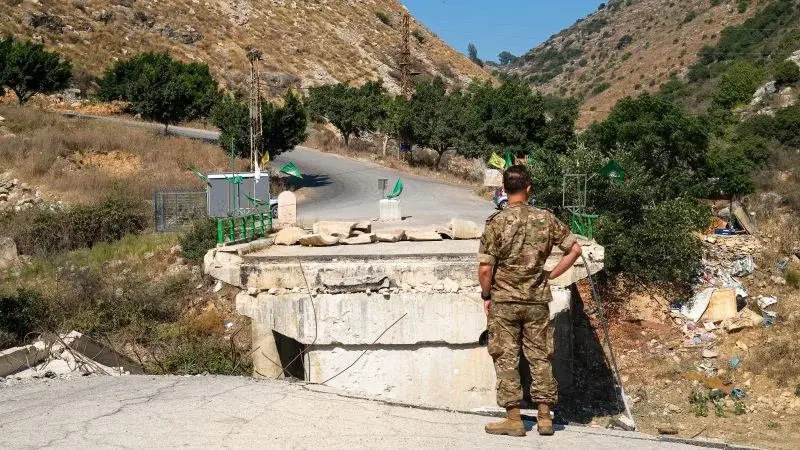
Israeli forces have occupied a 10-kilometer-deep strip of southern Lebanon, flattening Shia-majority villages while sparing Christian communities. Despite a June ceasefire, daily strikes and demolitions continue, leaving over 350,000 displaced. The US-brokered 'pilot zone' plan for Lebanese army deployment has stalled, with Israel expanding its presence rather than withdrawing.
Key points
- Israel occupies a 10km-deep strip of southern Lebanon, establishing nine military bases and flattening most Shia-majority villages.
- Christian villages like Rmeish and Ain Ebel remain intact but are cut off from the rest of Lebanon, accessible only via UN-led convoys.
- Over 4,300 people have been killed since March, and 350,000 remain displaced, according to Lebanese and UN sources.
- The US-brokered 'pilot zone' plan for Lebanese army deployment has stalled; Israel has withdrawn from only one of two agreed zones.
- Israeli Defense Minister Katz stated the military would not withdraw even if the US demanded it, citing a need for a 'security zone'.
Background
This conflict follows Israel's March 2026 invasion of southern Lebanon after Hezbollah resumed strikes to avenge the assassination of Iran's Supreme Leader. Previous coverage noted deadly strikes in August that killed 11 people, including children, despite the June ceasefire framework. The region has a history of sectarian strife, with Hezbollah viewed by many Shia residents as a protector against Israeli aggression, while Christian communities often blame Hezbollah for triggering the war.
How outlets are covering it
CNN highlights the stark contrast between flattened Shia villages and intact Christian enclaves, emphasizing the humanitarian crisis and the failure of the 'pilot zone' plan. BBC reports on Israel's expansion of military infrastructure and the 'Gaza-like' entrenchment, noting that Israeli officials claim destroyed buildings were used by Hezbollah, while Lebanese officials accuse Israel of preventing civilian return. Defense News focuses on the strategic conundrum of the Ali al-Taher hills, where Israeli shelling continues despite the ceasefire, and questions whether Israel aims to establish a permanent presence on strategic high ground. All sources agree that the ceasefire is fragile, with Israel conducting daily operations and the Lebanese army struggling to restore state authority due to funding shortages and legal constraints on disarming Hezbollah.
Why it matters
The situation in southern Lebanon illustrates the failure of the June ceasefire framework and the risk of a long-term Israeli occupation. The sectarian divide between spared Christian villages and destroyed Shia communities exacerbates internal tensions, while the stalled 'pilot zone' plan leaves thousands displaced and the Lebanese government powerless to restore control. Israel's refusal to withdraw and continued military operations threaten to reignite the conflict, with potential implications for regional stability and the upcoming Israeli elections.
What to watch
Negotiations between Israel and Lebanon are stalled, with no sign of Israeli withdrawal before the October elections. The Lebanese army is prepared to take on more 'pilot zones' if political negotiations progress, but warns that the current conditions make success unlikely. Israel may continue to consolidate its presence on strategic high ground like the Ali al-Taher hills, while the Lebanese government seeks to regain control of its territory. The humanitarian situation remains critical, with displaced residents unable to return and daily strikes continuing despite the ceasefire.
- A rare look inside occupied southern Lebanon: Israeli flags and flattened homes CNN
- BBC travels inside occupied Lebanon as officials say Israel is expanding positions BBC
- IDF: Hezbollah Launched Explosive Drones at Troops in Southern Lebanon, Prompting Strikes haaretz.com
- In southern Lebanon, fighting Hezbollah in the hills becomes a strategic conundrum Defense News
- Israeli artillery shelling reported in southern Lebanon Middle East Eye
Want the full story? Read the original reporting
Read on CNN