
Saudi Arabia’s Strategic Dilemma: Caught Between Houthi Advances and US Inaction
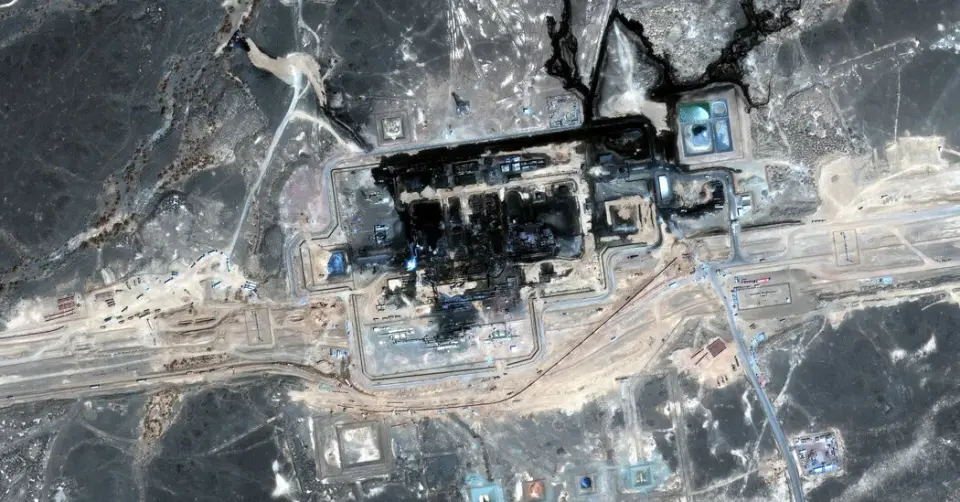
Saudi Arabia faces a critical strategic crisis as Iran-backed Houthis seize key Red Sea infrastructure and attack oil pipelines, while the US declines direct military intervention. Riyadh is exploring alternative export routes but remains frustrated by Washington’s reluctance to confront the Houthis, leaving the kingdom with limited options to protect its energy sector and regional influence.
Key points
- Houthis captured Perim Island and the port of Mocha, threatening the Bab al-Mandeb strait, a vital energy route.
- Saudi Arabia’s East-West pipeline was attacked by drones, disrupting exports of approximately 5 million barrels per day rerouted from the Strait of Hormuz.
- President Trump declined Saudi requests for direct US strikes against the Houthis, citing political constraints and ongoing US-Iran tensions.
- Saudi Arabia is shifting oil exports through Egypt’s Sumed pipeline, with volumes rising from 650,000 to 1.9 million barrels per day since June.
- A planned diplomatic meeting between Iran, Saudi Arabia, and Gulf states was postponed due to unresolved disagreements.
Background
This escalation follows a broader regional security shift, including a recent Saudi-Pakistan-Turkey mutual-defense pact aimed at countering Iranian influence. The current crisis intensifies amid an ongoing US-Iran war that began in February 2026, which has already closed the Strait of Hormuz and forced Saudi Arabia to rely on alternative export routes. Previous diplomatic efforts to isolate the Houthis have failed, as the group continues to expand its territorial control in Yemen.
How outlets are covering it
The New York Times emphasizes Saudi Arabia’s 'strategic shock' and frustration over US inaction, highlighting the kingdom’s dwindling options. CNN focuses on the military and humanitarian risks of escalation, noting that an all-out war could drag Saudi Arabia into the broader US-Iran conflict. The Portugal News provides a technical perspective on Saudi Arabia’s adaptive response, detailing the increased use of the Sumed pipeline to maintain oil exports despite regional disruptions. While all sources agree on the severity of the situation, they differ in emphasis: NYT and CNN focus on geopolitical and military implications, while The Portugal News highlights logistical adaptations.
Why it matters
The crisis threatens global energy supplies and could escalate into a wider regional conflict involving the US, Iran, and Saudi Arabia. Disruptions to oil exports may impact global markets, while a potential Saudi-Houthi war could exacerbate Yemen’s humanitarian crisis, which already affects 22 million people. The outcome will also test the limits of US support for Gulf allies amid domestic political pressures and ongoing US-Iran hostilities.
What to watch
Saudi Arabia is expected to intensify its military campaign against the Houthis, potentially with limited US intelligence support. Diplomatic efforts may resume if a breakthrough is reached, but the postponed meeting suggests deep divisions. The kingdom may also expand its East-West pipeline capacity to further reduce reliance on vulnerable routes. The US is unlikely to intervene militarily, but its stance could shift if Saudi Arabia faces further attacks or if the conflict spills into other regions.
- Saudi Arabia Faces ‘Worst-Case Scenario’ After Being Rebuffed by Trump The New York Times
- Why Saudi Arabia has few options in its conflict with the Houthis CNN
- Saudi Arabia’s Energy Crisis – The Eilat Option The Times of Israel
- Alternative routes keep oil moving The Portugal News
- Saudi Arabia has few options as it faces mounting threats from Iran and its allies The Boston Globe
Want the full story? Read the original reporting
Read on The New York Times