
Saudi-backed forces abandon Bab el-Mandeb front to defend Aden as Houthis consolidate Red Sea control
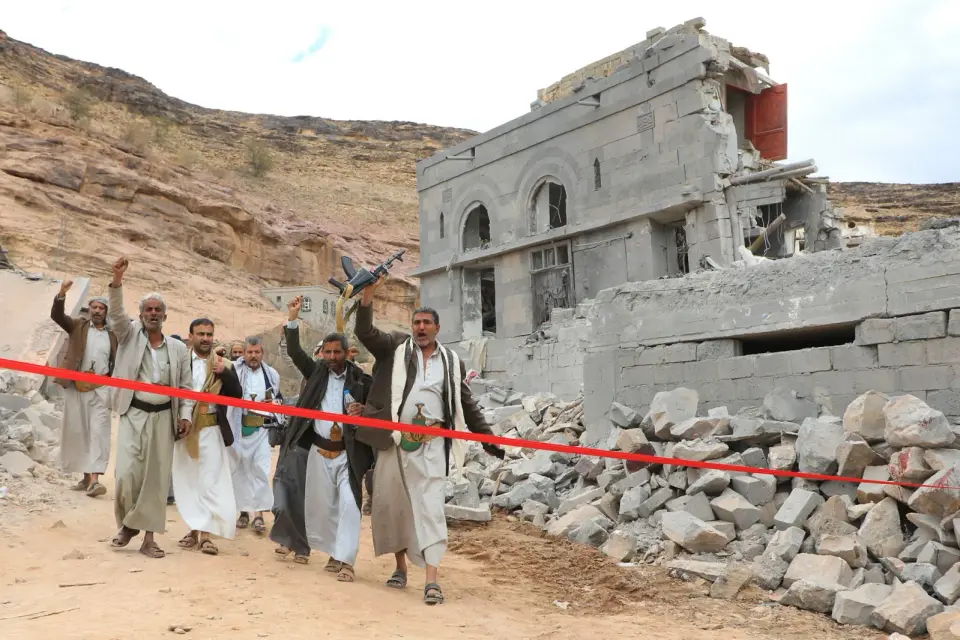
Saudi-backed Yemeni forces have withdrawn from the Bab el-Mandeb Strait, ceding control of the strategic Red Sea gateway to the Houthis. The retreat, described as a redeployment to defend the interim capital Aden, ends a six-week counteroffensive and raises fears of further Houthi advances. The move coincides with intensified Houthi missile strikes on Saudi Arabia and a broader regional conflict involving Iran.
Key points
- The Southern Armed Forces announced a redeployment from Dhubab Airport and the Bab el-Mandeb area to prioritize the defense of Aden and neighboring governorates.
- The withdrawal ends a six-week government counteroffensive that failed to fully retake the coast from the Houthis, who seized the area in a September lightning advance.
- Houthi-run media confirmed they have taken control of the territory, while Saudi Arabia has not commented on the retreat.
- The Houthis have intensified drone and missile attacks on Saudi Arabia, targeting airports, oil facilities, and the financial district in Riyadh, grounding flights and disrupting energy markets.
- The International Committee of the Red Cross reported that the Houthis released 600 prisoners, while humanitarian conditions in Taiz remain dire with aid supplies blocked.
Background
Yemen’s civil war, dormant since 2022, reignited this summer as a spillover from the US-Israel war with Iran. The Houthis seized the Red Sea coast in September, squeezing oil exports and displacing nearly 330,000 people. Saudi Arabia has been relying on the Red Sea for oil exports since the Strait of Hormuz was effectively closed by the conflict with Iran. The current retreat follows a failed government offensive in October that retook some positions but failed to drive the Houthis entirely from the coast.
How outlets are covering it
The Times of Israel and The New York Times emphasize the strategic setback for Saudi-backed forces and the threat to Aden, while BBC highlights the Houthi confirmation of control and the impact on global oil prices. Al Jazeera frames the retreat within the broader context of the US-Israel-Iran war, noting simultaneous Houthi strikes on Saudi infrastructure and Iranian actions in the Strait of Hormuz. All sources agree on the withdrawal but differ in emphasis: some focus on the military failure, others on the humanitarian crisis or the regional energy implications.
Why it matters
The retreat cedes control of a critical global shipping lane to the Houthis, potentially disrupting oil exports and maritime trade. It underscores Saudi Arabia’s struggle to contain the Houthis and highlights the interconnectedness of the Yemen conflict with the broader US-Israel-Iran war. The move may embolden the Houthis to advance further toward Aden and intensify attacks on Saudi Arabia, with potential spillover effects on global energy markets and regional stability.
What to watch
The Houthis may attempt to advance toward Aden, while Saudi-backed forces focus on defending the interim capital. Houthi missile and drone attacks on Saudi Arabia are likely to continue, potentially escalating the conflict. Humanitarian conditions in Taiz and other besieged areas may worsen as aid access remains blocked. The international community may increase pressure on the Houthis to cease attacks on shipping and infrastructure.
- Yemeni government forces retreat from Bab el-Mandeb Strait in setback against Houthis The Times of Israel
- Yemeni forces' retreat leaves Houthis in control of key area on coast of Red Sea waterway BBC
- Anti-Houthi forces retreat in Yemen as Iran strikes Bahrain Reuters
- Iran war updates: Yemen’s army says ‘repositioning’ troops from Red Sea Al Jazeera
- Saudi-Backed Forces Retreat in Yemen, Leaving Key Strait in Houthi Control The New York Times
Want the full story? Read the original reporting
Read on The Times of Israel