
UAE Accuses Israel of Politizing Flydubai Crisis by Rejecting Security Compromises
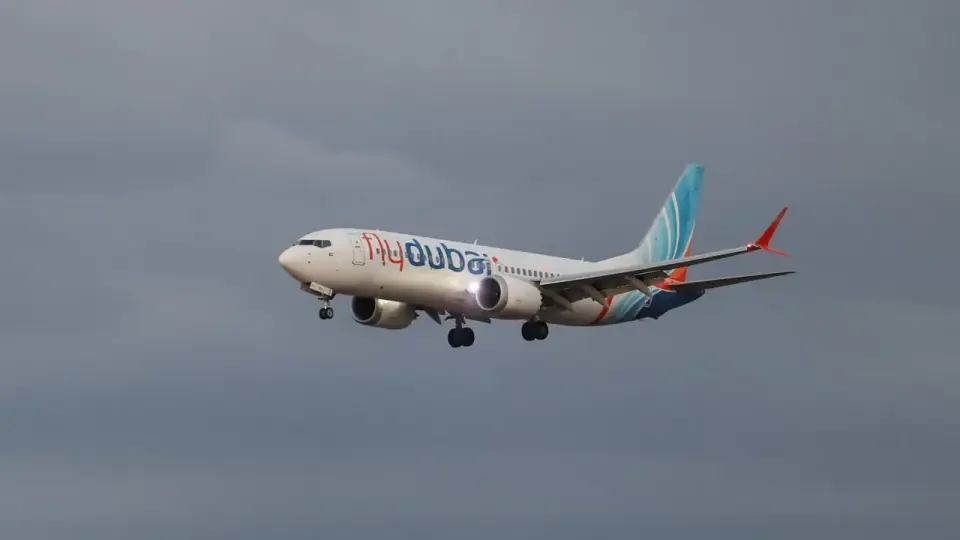
UAE sources have publicly criticized Israel for labeling repatriation efforts as 'rescue flights,' arguing that the terminology falsely implies danger in the UAE. While the UAE claims it agreed to all Israeli security demands and offered revised protocols for Flydubai, Israel rejected these alternatives. This diplomatic friction follows a September 30 incident where a Flydubai aircraft was diverted to Saudi Arabia after a cockpit attack, leading to a suspension of direct flights and a political dispute over the handling of stranded Israeli citizens.
Key points
- UAE sources stated that Israel is 'exploiting the attack for political purposes' by using the term 'rescue flights' to describe the return of citizens, implying the UAE is unsafe.
- The UAE claims it accepted all additional security measures requested by Israel and that Flydubai agreed to operate under revised protocols similar to those used by Etihad, but Israel rejected these compromises.
- A senior Israeli official responded by clarifying that the state does not define the return of citizens as a 'rescue operation' and that Israelis in the UAE are not stranded or in need of rescue.
- The dispute highlights a breakdown in coordination, with UAE sources questioning why passengers can fly on Arkia but not on Flydubai, despite agreed-upon security checks.
- The incident has been linked to upcoming Israeli elections, with UAE sources accusing Israeli leadership of managing the event for political gain rather than logical security reasons.
Background
This diplomatic friction follows a September 30, 2026 incident where a Flydubai flight from Dubai to Tel Aviv was diverted to Tabuk, Saudi Arabia, after a co-pilot stabbed the captain. The aircraft plummeted 17,400 feet before passengers subdued the attacker. The event led to the revocation of landing permissions for El Al and a suspension of Flydubai flights to Israel, leaving over 10,000 Israelis stranded in the region. While Israel has characterized the event as a terror attempt linked to radicalization, the UAE has taken the lead in the investigation, creating a complex security and political environment for repatriation efforts.
Why it matters
The dispute over terminology and security protocols reveals a deeper rift in Israel-UAE relations, moving beyond a single aviation incident to a clash over political narratives and security cooperation. The refusal to accept revised flight protocols despite agreed-upon measures suggests a potential long-term impact on bilateral aviation ties and the broader normalization process, as political considerations appear to be overriding pragmatic security solutions.
What to watch
The immediate focus will be on whether Israel will accept the revised Flydubai protocols or continue to rely on alternative carriers like Arkia for repatriation. The outcome of the UAE-led investigation into the cockpit attack will likely determine if further security measures are imposed, potentially affecting future flight approvals between the two nations.
- UAE source criticizes Israel's use of 'rescue flights' after flydubai incident The Jerusalem Post
- Airlines Set to Bring Israelis Back From U.A.E. After FlyDubai Cockpit Attack The New York Times
- Arkia completes first rescue flight as El Al rescue flight cancelled The Jerusalem Post
- Israeli Ministry of Transportation announces rescue flights from Dubai to depart today | LIVE BLOG i24NEWS
- Arkia, Israir indicate UAE rescue flights are a go after El Al scraps its Friday repatriations The Times of Israel
Want the full story? Read the original reporting
Read on The Jerusalem Post