
Sunni Cleric Assassinated in Zahedan Amid Surge in Southeastern Violence
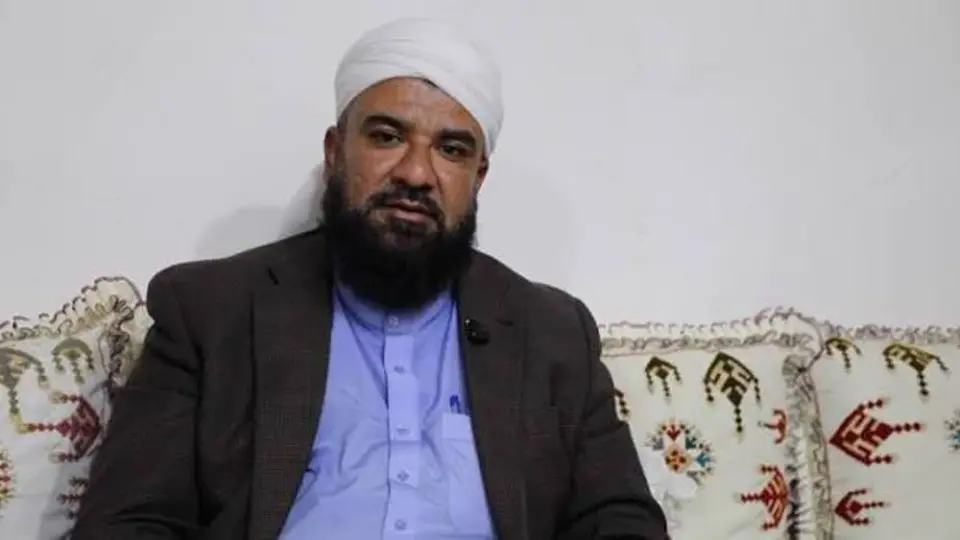
Molavi Yousef Gorgij, a senior Sunni cleric in Zahedan, was shot dead by unidentified gunmen on Monday. Iranian officials blame 'Zionist mercenaries' and separatist groups, while the killing follows a week of intense violence in the southeast, including the murder of a Kurdish cleric and heavy clashes in Saravan.
Key points
- Molavi Yousef Gorgij, a Sunni prayer leader in Zahedan, was assassinated outside his home on Monday by unidentified gunmen.
- Zahedan Governor Jamshid Rokhshani Nasab stated Gorgij was active in opposing 'divisive elements and Zionism,' indicating a pro-government stance.
- The Islamic Revolutionary Guard Corps (IRGC) condemned the attack, blaming 'Zionist-American separatists' and linking it to recent dismantling of terrorist cells in Sistan-Baluchestan.
- This is the second killing of a Sunni cleric in less than a week, following the September 9 assassination of Kurdish cleric Mamosta Mohammad Nozhati in West Azerbaijan.
- The murder occurred amid heavy fighting in Saravan on Saturday, where security forces reported dozens of casualties, and follows the July killing of another Sunni cleric in Mirjaveh.
Background
The assassination occurs during a period of heightened instability in Iran’s southeast. On September 12, heavy clashes erupted in Saravan, Sistan-Baluchestan, involving security forces and unidentified gunmen, resulting in significant casualties. This follows the July killing of Sunni cleric Molavi Mohammad Anvar Rigi in Mirjaveh. The broader context includes ongoing tensions between the Iranian state and Baluch separatist groups, as well as recent crackdowns on dissent following the January 2026 protests.
How outlets are covering it
PressTV and the IRGC frame the assassination as an act by 'Zionist mercenaries' and 'terrorist groups,' emphasizing Gorgij’s role in promoting Shia-Sunni unity and fighting against external enemies. The Jerusalem Post highlights the pro-government nature of the cleric, noting his activities against 'Zionism.' Iran International provides a broader security context, noting that while state media blamed 'Zionist mercenaries,' some local outlets attributed the attack to Jaish al-Adl, a Sunni Baluch militant group, though no group has officially claimed responsibility. All sources agree on the fact of the killing but differ on the attribution and the political framing of the victim.
Why it matters
The killing of a prominent Sunni cleric in a pro-government role signals a deepening security crisis in Iran’s Baluch-majority southeast. It highlights the vulnerability of religious figures who support the state and the potential for targeted violence to destabilize regional unity. The timing, close to other clerical killings and major clashes, suggests a coordinated or escalating campaign against Iranian authority in the region.
What to watch
Investigations into the assassination are ongoing, with no group having claimed responsibility. Security forces are likely to increase their presence in Sistan-Baluchestan and West Azerbaijan. The Iranian government may issue further statements blaming external actors, while separatist groups may use the killing to rally support. The situation could lead to further crackdowns or retaliatory violence in the coming days.
- Sunni cleric assassinated by unidentified gunmen in southeast Iran PressTV
- Senior Sunni cleric shot dead by unidentified gunmen in southeast Iran - Iranian state media Reuters
- Pro-IRGC cleric killed in Iran by unidentified gunmen, 'fought against Zionism' The Jerusalem Post
- Second Sunni cleric killed in Iran in less than a week Iran International
- Iran says 'Zionist mercenaries' kill Sunni cleric in Zahedan Daily Sabah
Want the full story? Read the original reporting
Read on PressTV