
Yemen Conflict Escalates as Airstrikes Hit Sanaa and Taiz
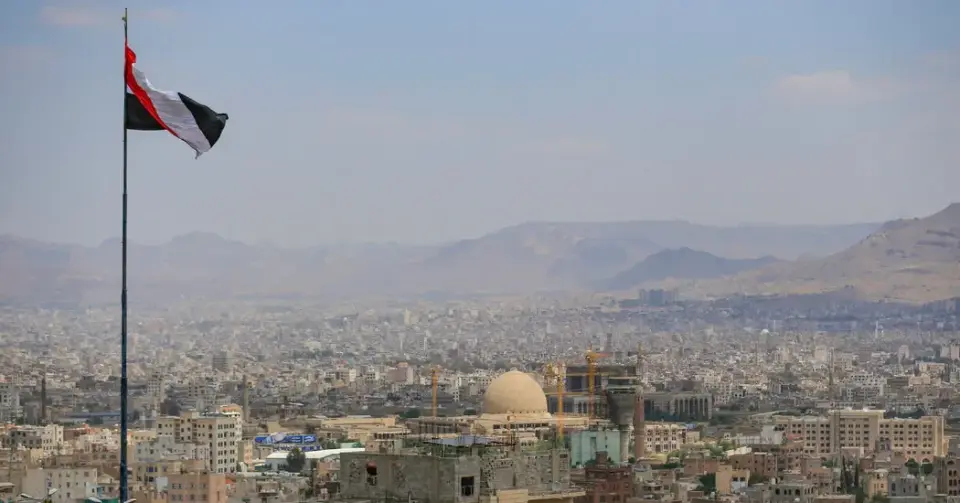
Fighting in Yemen has intensified, with airstrikes hitting the capital Sanaa and heavy clashes in Taiz. Government forces are holding defensive lines after Houthi gains on the Red Sea coast, but the conflict risks expanding into a full-scale war.
Key points
- Airstrikes hit Sanaa and at least three provinces, including Taiz, on October 2, 2026.
- Houthi forces launched drones and ballistic missiles at Saudi cities, including Khamis Mushait and Jazan.
- Government forces claim to have conducted over 400 strikes in 24 hours against Houthi positions.
- Houthis recently seized the entire Red Sea coastline, including the port of Mokha and three islands.
- The Saudi-led coalition intercepted four drones and two ballistic missiles aimed at southern Saudi Arabia.
Background
Yemen’s conflict has escalated since July 2026, following a fragile truce that ended in 2022. Recent months saw Houthi advances along the Red Sea coast, prompting Saudi-led airstrikes and rising tensions over oil supply routes. Previous incidents, such as a prison airstrike in Jawf, highlighted the humanitarian toll, with over 21,000 displaced by late September.
How outlets are covering it
The New York Times emphasizes the risk of all-out war, citing intense clashes in Taiz and airstrikes on Sanaa. Al Jazeera focuses on the defensive resilience of government forces, noting that Houthi advances have stalled in mountainous regions despite coastal gains. Israel National News highlights the cross-border dimension, detailing Houthi missile attacks on Saudi cities and the coalition’s interception efforts. While all sources agree on the escalation, they differ in emphasis: The Times frames it as a potential regional war, Al Jazeera as a tactical stalemate, and Israel National News as a direct Saudi-Yemeni confrontation.
Why it matters
The escalation threatens to destabilize the Red Sea and Bab al-Mandeb Strait, critical for global oil and trade. It also risks drawing in regional powers, including Saudi Arabia and Iran, and could disrupt energy supplies, as seen in recent oil price spikes. The humanitarian impact is severe, with increased displacement and civilian casualties.
What to watch
Government forces are pursuing a gradual mobilization, including retraining reserves and integrating local fighters. Houthis may continue attacks on Saudi cities to pressure the coalition. Diplomatic efforts to de-escalate remain uncertain, with no immediate signs of a ceasefire. The conflict could expand if either side misreads the other’s intentions, potentially leading to broader regional involvement.
- Fighting Intensifies in Yemen, Raising Fears Further of All-Out War The New York Times
- After Red Sea losses, Yemen’s government forces hold the line Al Jazeera
- Yemen carried out 20 strikes on Houthi targets in Taiz province, spokesperson says reuters.com
- Yemen air force says it carried out 20 strikes on Houthi targets in Taiz province The Times of Israel
- Houthis accuse Saudi Arabia of strikes on Sanaa after drone and missile attacks israelnationalnews.com
Want the full story? Read the original reporting
Read on The New York Times