
Ukraine's 'Zero Line' Forces Troops to Wait a Week for 300-Meter Moves
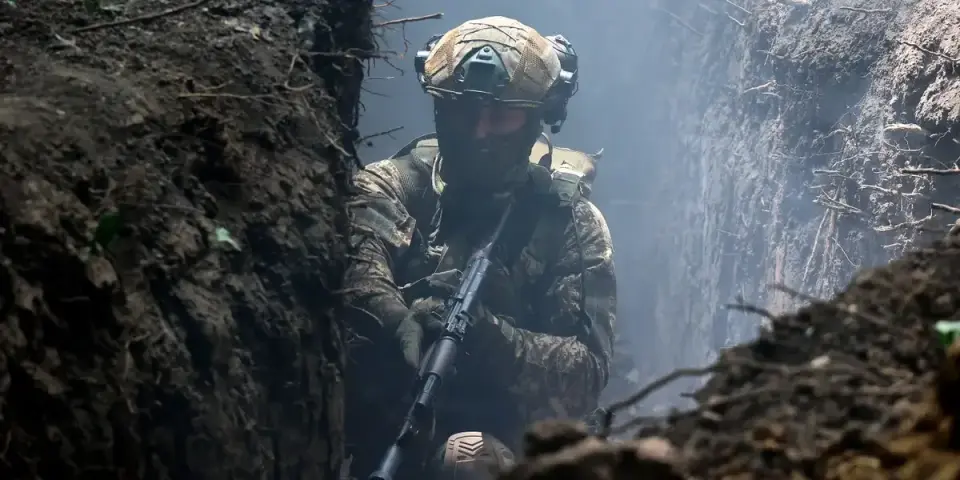
Ukrainian soldiers at the 'zero line' face such intense drone surveillance that moving just 300 meters can take up to a week, requiring precise weather and electronic-warfare coordination. While special forces adapt by shifting from sniping to drone piloting, human presence remains essential for front-line operations.
Key points
- Ukrainian soldier 'Yankee' reports that moving 300 meters at the zero line can take seven days due to constant drone threats.
- Successful movement requires specific weather conditions, such as fog, rain, or winds exceeding 14 meters per second, to obscure drone cameras.
- Electronic-warfare teams must jam Russian drone frequencies while avoiding interference with Ukrainian systems, a complex coordination task.
- Special forces roles have shifted from traditional sniping to drone piloting, as drones now serve as the primary surveillance and strike platform.
- Ukraine is increasingly using drones and ground robots to reduce human exposure, but soldiers are still needed to operate weapons and hold positions.
Background
This development follows recent internal tensions in Ukraine's military leadership, including the sacking of reformist defence minister Mykhailo Fedorov in July 2026, which raised concerns about the pace of drone-enabled modernization. It also aligns with broader international trends, such as South Korea's plan to train its entire army as drone operators, reflecting a global shift toward drone-centric warfare. Earlier reports noted that Ukrainian troops use 'tactical Crocs' for rear-area relief, highlighting the physical toll of prolonged front-line duty.
How outlets are covering it
Business Insider emphasizes the extreme danger and logistical challenges of movement at the zero line, citing a soldier's account of waiting a week for a 300-meter advance. The Strategist focuses on how drone warfare has transformed special forces operations, noting that snipers have largely become drone pilots and that Ukrainian units now use drones for resupply and surveillance. Both sources agree on the critical role of drones but differ in focus: Business Insider highlights the immediate tactical constraints on infantry movement, while The Strategist examines the broader doctrinal shifts in special operations.
Why it matters
The inability to move even short distances at the front line underscores the severe limitations imposed by drone saturation, affecting Ukraine's ability to rotate troops and maintain defensive positions. This situation highlights the growing importance of electronic warfare and weather-dependent tactics in modern warfare, as well as the need for continued adaptation in military doctrine to survive in a 'kill zone' that extends up to 50 kilometers from the front.
What to watch
Ukraine will likely continue to rely on electronic warfare and weather conditions to facilitate movement, while further integrating drones and ground robots to reduce human exposure. The shift in special forces roles from sniping to drone piloting suggests a continued evolution in military doctrine, with a focus on adapting to drone-centric warfare. International partners may also adjust their training and support to reflect these changes, as seen in South Korea's drone-focused military plans.
- Ukraine: Zero Line so Unsafe That Soldiers May Wait a Week to Run 300 Meters Business Insider
- Ukrainian soldier says the drone-filled 'zero line' is so dangerous that troops sometimes have to wait a week just to move 300 meters Yahoo
- The war in Ukraine has dramatically changed special forces operations The Strategist | ASPI's analysis and commentary site
- Ukrainian infiltration missions get a lot harder when winter strips away their cover, special operator says Business Insider
- Ukrainian troops are walking more and spreading out to avoid drones, special operator says Business Insider
Want the full story? Read the original reporting
Read on Business Insider