
AP Analysis: Iran’s Strategic Strikes Decimated U.S. Early-Warning Systems and Base Infrastructure
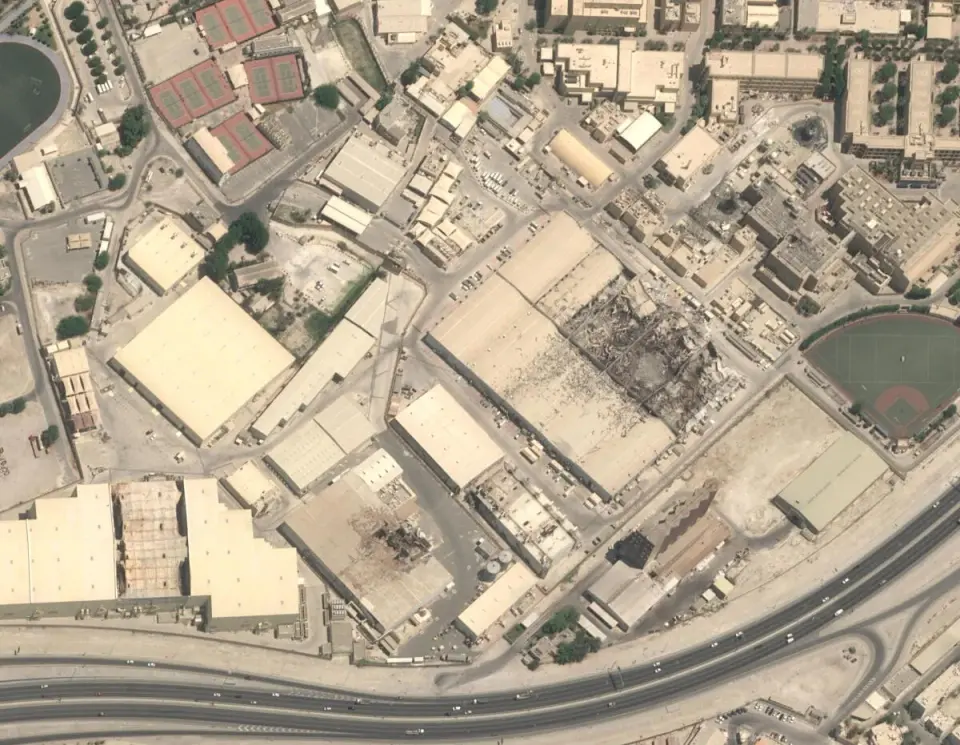
An Associated Press analysis reveals that Iran’s eight-month campaign against U.S. bases in the Middle East prioritized destroying early-warning radar systems before targeting aircraft and living quarters. Through August, over 115 strikes damaged or destroyed structures at 26 sites, causing billions in equipment damage. The attacks have forced the U.S. to relocate critical assets out of the Persian Gulf, raising questions about the future of American fixed infrastructure in the region.
Key points
- Iran’s strikes targeted early-warning systems first, disabling U.S. ability to detect incoming attacks before hitting hangars, warehouses, and troop housing.
- More than 115 drone or missile strikes damaged or destroyed structures at 26 U.S. bases and sites with U.S. equipment between the start of the conflict and August.
- Ali Al Salem Air Base in Kuwait was struck at least 30 times, damaging 15 hangars, while Camp Buehring suffered heavy losses to gathering places and facilities.
- A radar in Jordan was destroyed, costing approximately $500 million, and another in Qatar was significantly damaged; these systems are critical for regional air defense.
- The U.S. has moved many assets, including aircraft and air defense systems, out of the Persian Gulf due to the sustained damage.
- Satellite imagery from major providers was delayed or blocked by U.S. officials, limiting public verification of damage until late August.
Background
This analysis follows earlier reports of rising U.S. casualties in the Iran conflict, with the Pentagon updating the death toll to 21 and wounded to 865 in October 2026. The current findings highlight the strategic impact of the war on U.S. infrastructure, contrasting with previous focus on human costs. The delayed transparency in damage assessments aligns with broader concerns about the administration’s handling of conflict information.
Why it matters
The destruction of high-value, difficult-to-replace radar systems and base infrastructure signals a shift in U.S. military strategy in the Middle East. The reliance on fixed bases is being challenged by cheap, large-scale drone attacks, potentially forcing a reevaluation of defense posture and investment in the region. As hostilities may resume, the cost and feasibility of rebuilding these assets remain uncertain.
What to watch
President Trump is considering new strikes after the midterm elections, while Iran has vowed major retaliation. The U.S. and Iran both indicate that a return to hostilities is possible, which could lead to further damage to bases and equipment. The future of U.S. fixed infrastructure in the Middle East remains uncertain, with questions about whether the U.S. will rebuild or adopt a more mobile defense posture.
Want the full story? Read the original reporting
Read on AP News