
Ukraine Deploys F-16s Against Russian Jet Drones, Straining Limited Fleet
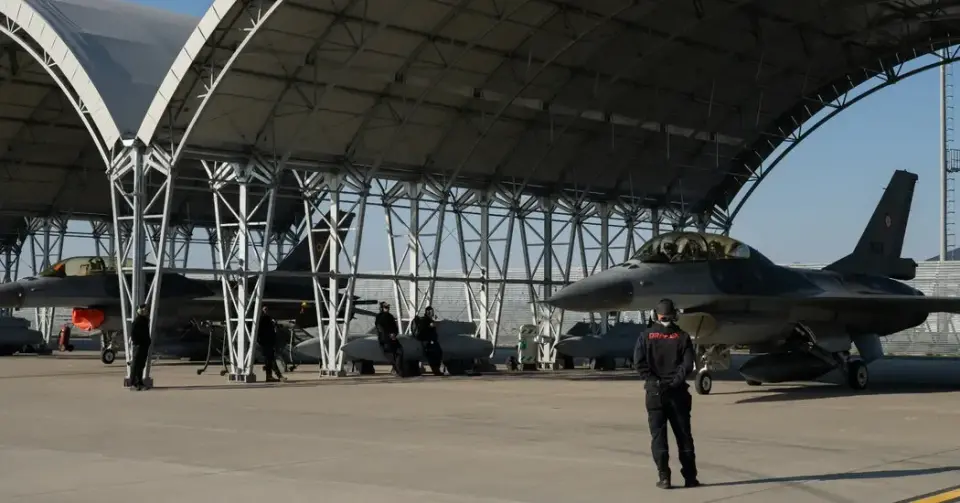
Ukraine is increasingly relying on its small fleet of F-16 fighter jets to intercept Russian jet-powered drones, a strategy that is effective but unsustainable due to high maintenance costs and limited numbers. While the jets have successfully downed a significant portion of incoming threats, including cruise missiles and drones, the constant deployment risks breaking down the aircraft and leaves Ukraine vulnerable to future attacks. Kyiv is seeking additional jets and new training programs to address this critical gap in its air defense system.
Key points
- Ukraine uses F-16s as a primary defense against Russian jet-powered drones, which cost Russia only $70,000 to build.
- About half of Ukraine's 50 F-16s are grounded for maintenance, and five have been damaged or destroyed in battle.
- F-16s have intercepted 666 cruise missiles and 2,500 other drones since late September, according to Ukrainian Air Force commander Anatolii Kryvonozhko.
- Ukraine is buying 20 new Gripen jets from Sweden and negotiating for newer F-16 models to expand its fleet.
- Training for F-16 pilots takes about six months at the Fetesti Air Base in Romania, with 19 graduates since September 2024.
Background
Ukraine has faced growing challenges in countering Russian jet-powered drones, which fly faster and higher than previous models, reducing interception rates. The country has been developing new interceptors, including 3D-printed drones, to close the technological gap. The current reliance on F-16s highlights the strain on Ukraine's air defense system and the need for additional resources and training.
Why it matters
The use of F-16s against drones underscores the evolving nature of warfare and the critical importance of air defense in modern conflicts. Ukraine's struggle to maintain its fleet and train pilots highlights the broader challenges faced by nations in adapting to new threats. The situation also raises questions about the sustainability of current defense strategies and the need for international support to address emerging security gaps.
What to watch
Ukraine expects to receive additional F-16s from Belgium and is negotiating for newer models from Lockheed Martin. The country is also expanding its fleet with Gripen and Rafale jets, which will be equipped with long-range missiles. Training programs at the Fetesti Air Base in Romania will continue to produce more F-16 pilots, though the process remains slow and resource-intensive.
- Under Siege, Ukraine Uses F-16s to Shoot Down Russia’s Jet-Powered Drones The New York Times
- Central Ukrainian region hit by vast drone attack, killing three Reuters
- Air defense forces shoot down four Russian missiles and 243 drones since this evening Ukrinform
- Ukraine Hurries to Build Defenses Against Russia’s Jet-Powered Drones WSJ
- Russian drones hit western Ukraine as nationwide attacks kill 10, injure 73 The Kyiv Independent
Want the full story? Read the original reporting
Read on The New York Times