
U.S. Army Rushes to Replace Shipping Containers with Concrete Bunkers in Middle East
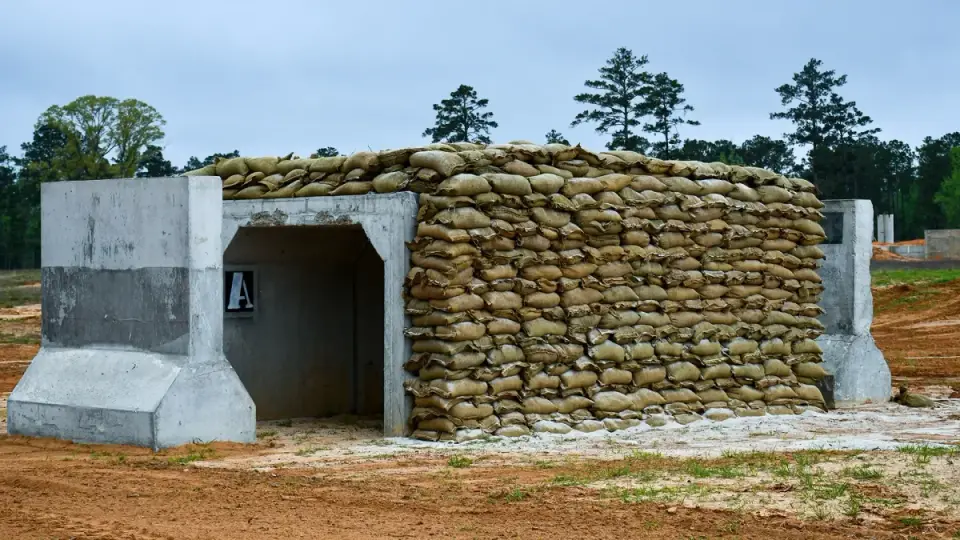
The U.S. Army is urgently seeking contractors to build 17 reinforced concrete bunkers in Israel, Saudi Arabia, and Lebanon to replace vulnerable shipping container shelters. This move follows recent Iranian attacks that killed American personnel and damaged critical infrastructure, highlighting a shift toward physical hardening of bases.
Key points
- U.S. Army Central (ARCENT) posted a synopsis on Nov. 13 seeking 17 precast reinforced concrete bunkers to replace converted shipping containers.
- The bunkers are required for 10 sites in Israel, five in Saudi Arabia, and two in Lebanon, with construction to be completed within 45 days of contract award.
- The request cites 'extreme operational urgency' due to soldiers currently at risk in non-standard shelters, following Iranian drone and missile attacks.
- The new shelters will feature steel bulkhead doors, sandbag revetments, and 3-meter-high blast barriers to protect against indirect fire and drones.
- This follows earlier contracting notices for hardened shelters in Jordan and Qatar, reflecting a broader Pentagon shift toward physical hardening after Operation Epic Fury.
Background
This procurement follows a series of Iranian attacks on U.S. bases in the region since February 2026, including a strike on a Kuwait command post that killed six troops. Previous reports indicated the U.S. Space Force and Army Corps of Engineers had already sought hardened shelters for Jordan and Qatar. The current move addresses long-standing concerns about the vulnerability of temporary structures in hostile environments.
How outlets are covering it
TWZ emphasizes the urgency of the request and the specific technical specifications of the bunkers, noting the contrast with previous reluctance to invest in hardening. Iran International highlights the broader context of Iranian threats and the casualty count, framing the bunkers as a necessary response to recent fatalities. Both sources agree on the timeline and locations but differ in emphasis on the political and strategic implications.
Why it matters
The shift from temporary shelters to permanent concrete bunkers signals a strategic change in U.S. force protection doctrine in the Middle East. It reflects the Pentagon's recognition that previous infrastructure was inadequate against modern drone and missile threats, potentially influencing future defense budgets and base construction standards.
What to watch
Contractors have until Nov. 25 to respond, with a three-day quote turnaround expected. Construction is to be completed within 45 days of contract award. The exact base locations remain classified but are likely air bases in the three countries.
- U.S. Army Now Wants Concrete Bunkers For Troops In Israel, Saudi Arabia And Lebanon TWZ
- US Army takes ‘urgent’ action to build concrete bunkers across the Middle East Army Times
- US Army seeks 17 bunkers in Israel, Saudi, Lebanon amid Iran threats - report Iran International
- US Army seeks 17 concrete bunkers in Middle East within 45 days as Iran threat persists investingLive
- US Army plans to build 17 concrete shelters in the Middle East — Defense News UA.NEWS
Want the full story? Read the original reporting
Read on TWZ