
Brazilian Court Seizes Flávio Bolsonaro Passports in Post-Election Money Laundering Probe
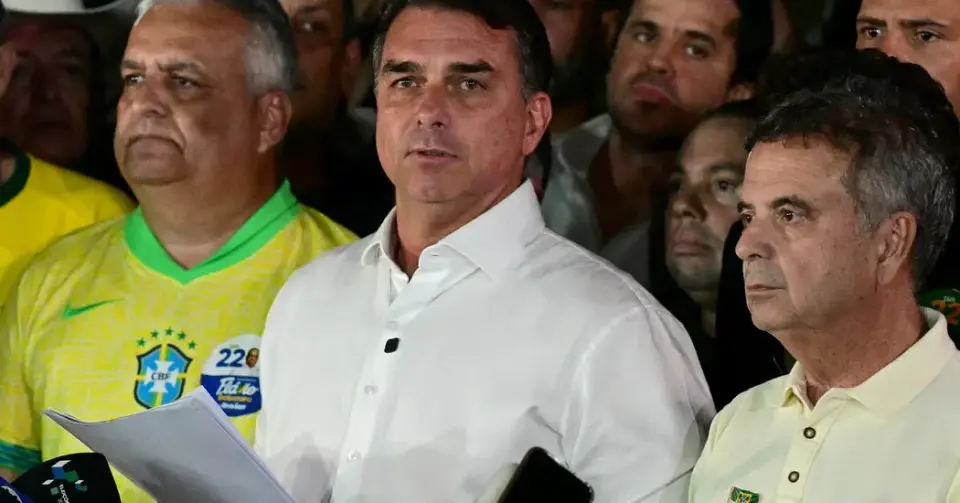
Brazilian Supreme Court Justice Alexandre de Moraes ordered defeated presidential candidate Flávio Bolsonaro to surrender all passports and barred him from leaving the country. The move stems from a federal police investigation into a suspected $1 billion money laundering scheme involving lawyer Willer Tomaz. Bolsonaro, who lost the election to Luiz Inácio Lula da Silva, claims the order is political intimidation, while authorities cite his access to bank accounts linked to the fraud.
Key points
- Justice Alexandre de Moraes issued the ruling on Monday, ordering Bolsonaro to hand over his passports within 24 hours and prohibiting him from leaving Brazil.
- The order is tied to a criminal investigation into a money laundering scheme involving lawyer Willer Tomaz, who is accused of laundering over $1 billion through betting companies.
- Federal police discovered that Bolsonaro had access to bank accounts of a company owned by Tomaz, though a person employed by the lawyer requested the bank to revoke this access in May 2025.
- Bolsonso lost the presidential election to Lula da Silva, with the final result showing 48.25% to 51.75%, and has not yet conceded defeat.
- Bolsonso’s Senate term ends in January 2027, after which he will lose legislative immunity and face potential prosecution for various financial and legal issues.
Background
Flávio Bolsonaro has been under scrutiny for years, including a September 2026 unsealing of documents linking him to the Banco Master fraud and a $12 million transfer from banker Daniel Vorcaro. His brother Eduardo Bolsonaro, who fled to the US in 2025, had publicly suggested Flávio should leave Brazil if he lost the election. The current ruling follows a tight presidential race where voting was extended by two hours due to transport issues, a move that Flávio’s campaign initially criticized but later conceded was legally weak.
How outlets are covering it
The New York Times and The Guardian emphasize the legal basis of the ruling, citing the money laundering investigation and Bolsonaro’s access to Tomaz’s accounts. The Guardian notes that the ruling also prohibits contact with Tomaz. Anadolu Ajansı and Payday Report focus on Bolsonaro’s reaction, highlighting his claim that the order is political intimidation and his intention to challenge it. Payday Report also notes the loss of legislative immunity in January 2027. The outlets differ in their emphasis: The Times and The Guardian focus on the legal and financial aspects, while Anadolu and Payday Report focus on the political and personal reaction. All agree on the core facts of the passport seizure and the money laundering investigation.
Why it matters
The ruling signals a potential shift in the legal landscape for Flávio Bolsonaro, who faces prosecution once his legislative immunity expires. It also highlights the ongoing tensions between the Bolsonaro family and the Brazilian judiciary, particularly Justice Alexandre de Moraes, who has been a central figure in the 2022 election integrity and Bolsonaro’s conviction. The move could impact future political and legal proceedings in Brazil, as well as the broader narrative of the 2026 election.
What to watch
Bolsonso is expected to comply with the passport surrender order while challenging the ruling in court. He has also vowed to continue his political activities and file cases to disqualify Lula’s winning ticket. The outcome of the money laundering investigation and the expiration of his legislative immunity in January 2027 will be key developments to watch.
- Brazil Supreme Court Orders Flávio Bolsonaro to Hand Over Passports in Money Laundering Inquiry The New York Times
- Brazil: defeated Flávio Bolsonaro ordered to surrender passports The Guardian
- Brazil's defeated presidential candidate says court barred him from leaving country Anadolu Ajansı
- Flavio Bolsonaro says Brazil federal police asked for his passports Reuters
- Brazilian Federal Police Confiscate Flavio Bolsonaro’s Passport Payday Report
Want the full story? Read the original reporting
Read on The New York Times