
Burnham Opens Door to EU Rejoin Referendum, Sparking Political Backlash
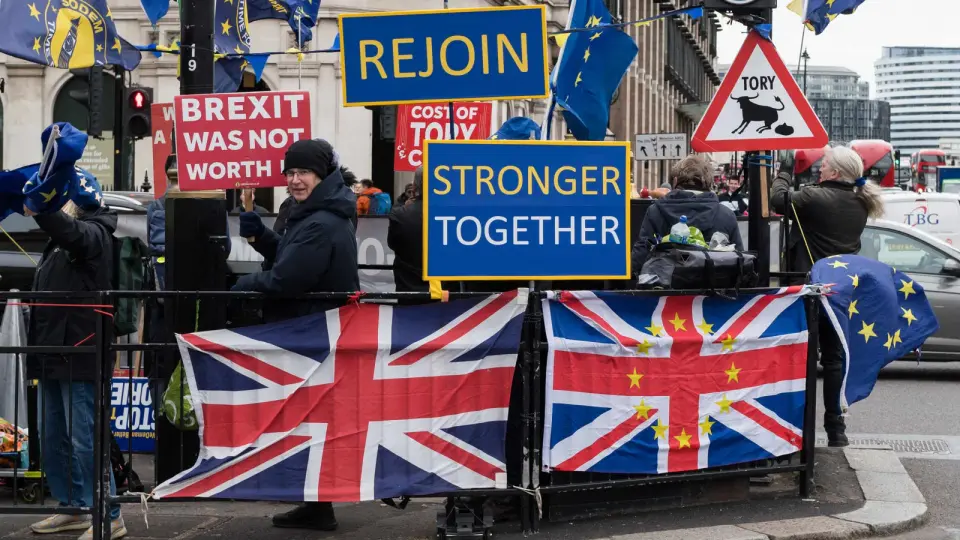
UK Prime Minister Andy Burnham has signaled that reversing Brexit could be a policy option, stating that rejoining the European Union is 'possible' and that the current relationship is 'not good enough.' While he ruled out an immediate referendum, he suggested it could appear in a future election manifesto. This move has drawn sharp criticism from Reform UK leader Nigel Farage, who claims it will boost his party's support, while economists debate the economic costs and benefits of closer EU ties.
Key points
- PM Andy Burnham told the BBC that the UK could 'go all the way' to rejoin the EU, listing options including a customs union, single market access, or full membership.
- Burnham stated that a referendum would not happen now but could be included in a future Labour election manifesto, noting that no general election is expected before 2029.
- At the Labour Party conference, Burnham declared that 'Brexit has done more harm than good' and promised a long-term strategy for UK-EU relations.
- A YouGov survey cited by Euronews indicates 56% of British voters now support rejoining the EU, a shift from the 2016 result.
- Reform UK leader Nigel Farage accused Burnham of 'opening the door to Reform' by reigniting the debate, arguing it will increase division in Leave-voting areas like Doncaster.
Background
This development marks a significant shift from the stance of predecessor Keir Starmer, who resigned in June 2026 after canceling a planned UK-EU summit. Burnham, who became PM without a public vote, had previously pledged not to re-run Brexit arguments during his challenge for leadership. The current debate occurs ten years after the 2016 referendum, where 52% voted to leave. While the UK economy has not seen the predicted post-Brexit boost, with some estimates suggesting GDP is 5% to 8% smaller than it would have been, the political landscape remains fragmented. Recent events, such as Iceland's rejection of EU talks, have also influenced the broader European context on membership negotiations.
How outlets are covering it
Outlets highlight divergent reactions to Burnham's proposal. CNBC and Euronews focus on the economic implications, noting that while closer ties could boost growth and sterling, they might also facilitate capital flight due to high taxes. Economists like James Smith of ING argue that tangible benefits depend on concrete changes that could take years, and that the EU may be reluctant to negotiate given UK political volatility. Conversely, the BBC reports on the political backlash, with Nigel Farage claiming Burnham's comments will boost Reform UK's popularity in northern England. Farage argues that reigniting the debate will cause community division, particularly in areas that voted to leave in 2016. While Burnham frames the move as a necessary 'reset' to restore prosperity, critics view it as a political miscalculation that undermines the stability of the current settlement.
Why it matters
Burnham's statements signal a potential fundamental shift in UK foreign policy and economic strategy. If a referendum is pursued, it could reshape the UK's relationship with its largest trading partner, impacting trade, immigration, and financial markets. The debate also highlights deepening political divisions within the UK, with pro-EU sentiment rising in polls but facing strong opposition from populist parties. The outcome of these discussions will determine whether the UK moves toward greater integration with the EU or maintains its current post-Brexit status, with significant implications for long-term economic growth and political stability.
What to watch
The UK government is expected to present detailed options for its future relationship with the EU at a later date, potentially leading to a referendum in a future election manifesto. A UK-EU summit, previously canceled, may be rescheduled as part of this new strategy. Political parties, including the Liberal Democrats and Reform UK, will likely intensify their campaigns on this issue, with polls suggesting a growing majority in favor of rejoining the EU. The EU's response to the UK's potential return, including discussions on associate membership status, will also be a key factor in determining the feasibility of closer ties.
- A Brexit reversal is on the table 10 years on from the vote that changed Britain. Here’s what’s at stake CNBC
- Germany: We’ll do everything we can to get Britain back into EU The Telegraph
- UK's Burnham floats going ‘all the way’ and rejoining the EU Euronews.com
- Farage claims PM reigniting Brexit vote will 'open door to Reform' BBC
- Burnham’s reopening of Brexit debate is ‘biggest boost in my career’, says Farage The Guardian
Want the full story? Read the original reporting
Read on CNBC