
Burnham Signals Willingness to Reconsider EU Free Movement Ahead of November Summit
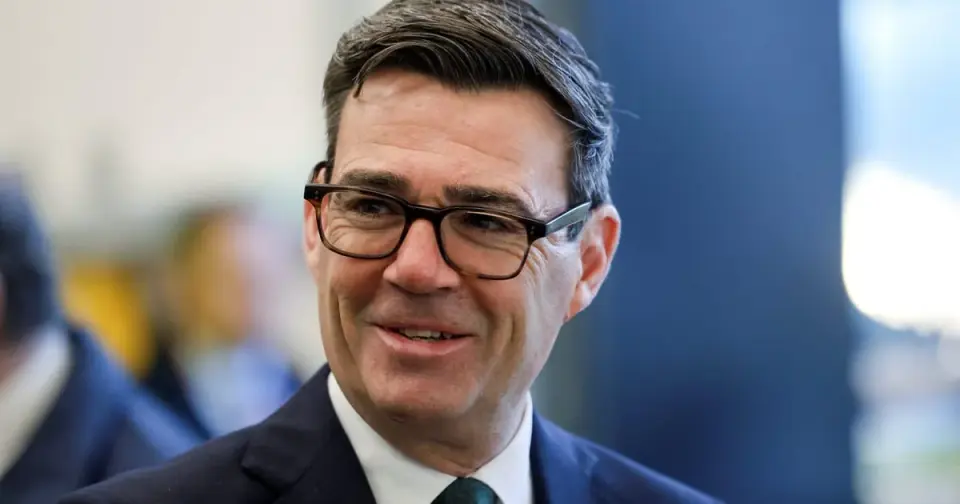
UK Prime Minister Andy Burnham has indicated openness to reviving free movement between the UK and the EU, framing it as part of a broader 'honest discussion' on migration and trade. While he ruled out joining the euro or Schengen, his stance marks a sharp departure from Labour's 2024 manifesto. The move precedes a November 20 summit and has sparked internal party debate and opposition backlash, with Burnham insisting any final decision rests with the British public.
Key points
- Burnham stated that returning to EU free movement is not a red line for negotiations, citing changed migration patterns since the 2016 Brexit vote.
- The Prime Minister acknowledged that pre-Brexit 'revolving door' migration differed from current challenges but argued the balance has shifted, necessitating a pragmatic review.
- Burnham explicitly ruled out joining the eurozone or the Schengen area, setting these as firm red lines for any future agreement.
- The stance contradicts the Labour Party's 2024 manifesto, which excluded rejoining the single market, customs union, or free movement.
- The discussion is set against the backdrop of a November 20 UK-EU summit, where trade and climate agreements are also expected to be finalized.
- Burnham insisted that while he personally hopes to see the UK rejoin the EU in his lifetime, the decision must ultimately be made by the British public.
Background
This development follows Burnham's September Labour Party Conference speech, where he first hinted at weighing options for a reset of relations with the 27-member EU bloc. Earlier coverage noted that while some Labour figures advocate for full rejoining, others support single market or customs union access. The current debate arises after the 2024 election, where Labour pledged not to reopen the Brexit question, and comes amid ongoing tensions over immigration policy, including recent changes to indefinite leave to remain rules for migrant workers.
How outlets are covering it
Politico highlights Burnham's pragmatic approach, noting his acknowledgment that pre-Brexit migration was less 'difficult' than current flows, and emphasizes his refusal to commit to a firm position before the November summit. The Guardian frames the issue as a potential unifier, with Burnham arguing that a practical debate on Brexit could 'bring people together,' while also noting internal Labour tensions and opposition criticism from Conservatives and Reform UK. The Telegraph source was inaccessible due to a security block, so no perspective could be extracted from it. Overall, outlets agree on the factual shift in Burnham's stance but differ in emphasis: Politico focuses on the migration nuance, while The Guardian focuses on the political and social implications of reopening the debate.
Why it matters
Burnham's shift signals a potential major change in UK-EU relations, moving away from the post-Brexit status quo. If free movement is reintroduced, it would require the UK to accept EU single market rules, fundamentally altering trade and migration policy. The move could impact the November 20 summit outcomes and influence domestic politics, as it contradicts previous party pledges and may affect voter sentiment in pro-Brexit constituencies. It also sets the stage for a broader renegotiation of the UK's relationship with Europe, potentially affecting economic growth and immigration controls.
What to watch
Burnham is expected to present options for UK-EU relations at the November 20 summit, where trade and climate agreements are also slated for signing. The government will soon publish recommendations from the Alan Milburn review on youth employment, which may include welfare adjustments. Burnham has ruled out an early election, but polling showing an eight-point lead for Labour has revived speculation about a potential 2027 vote. The final decision on free movement and EU rejoining will likely depend on public consultation and the outcome of the November summit negotiations.
- Burnham open to return of free movement between UK and EU POLITICO.eu
- UK PM Burnham says election not coming 'any time soon' Reuters
- I would like to rejoin EU, says Burnham, but ‘British public are the bosses’ – UK politics live The Guardian
- Andy Burnham Says He Wants UK to Rejoin EU in His Lifetime Bloomberg.com
- Rayner: We’ll ask voters to decide on freedom of movement The Telegraph
Want the full story? Read the original reporting
Read on POLITICO.eu