
Burnham targets November EU summit for trade deals, warns of 'Made in Europe' risks
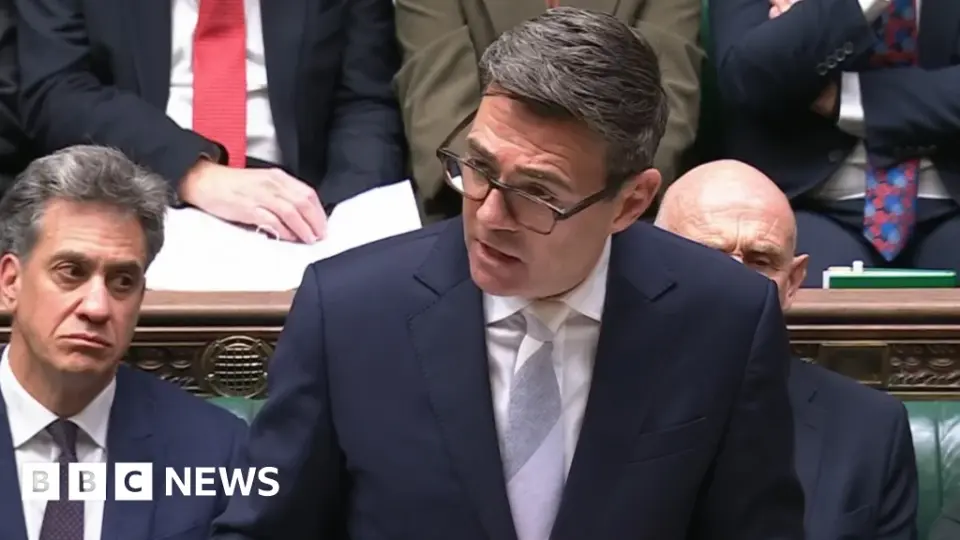
Prime Minister Andy Burnham has committed to seeking new post-Brexit agreements with the European Union at a summit on 20 November. He aims to reduce bureaucratic barriers in food, energy, and youth mobility, claiming these changes could add £10bn annually to the UK economy by 2040. While Burnham maintains Labour’s red lines against rejoining the single market or customs union, he has opened the door to a 'serious dialogue' on long-term relations, including potential full EU membership, following a shift in public opinion.
Key points
- Burnham will attend a bilateral summit in Brussels on 20 November to negotiate deals on food standards, emissions trading, and a youth mobility scheme.
- The government estimates these agreements could boost the economy by £10bn per year by 2040, primarily by reducing red tape that currently causes spoilage of perishable exports like Scottish salmon.
- Burnham warned that the EU’s 'Made in Europe' initiative, designed to counter Chinese competition, poses a risk to UK manufacturing and supply chains, prompting him to seek a specific arrangement.
- The Prime Minister confirmed that Labour’s manifesto commitments to avoid the single market, customs union, and free movement remain in place until the next election, but he did not rule out a future manifesto change.
- Burnham stated that public opinion supports a 'pragmatic approach' to closer ties, citing polls showing 59% of Britons favor rejoining the EU, though he emphasized the public would remain the 'boss' at every stage.
Background
This development follows a period of increased divergence between UK and EU regulations since the 2020 withdrawal agreement. In May 2025, a deal was reached to allow EU fishing boats access to UK waters until 2038 in exchange for reduced checks on food exports. Recent archive coverage indicates Burnham has previously signaled that full EU rejoining is a viable option, a shift from previous Labour pledges, coinciding with rising public support for closer ties. The current summit aims to address lingering issues from the 2016 referendum, including the economic impact of regulatory divergence and the political fallout from Burnham’s recent admission of Russian interference in the vote.
How outlets are covering it
BBC and Al Jazeera report Burnham’s focus on economic growth and immigration control as the primary drivers for closer ties, noting his warning about the 'Made in Europe' initiative. The Guardian highlights the diplomatic nuance, noting that while Burnham promises a 'serious dialogue,' he is forced to clarify his stance on Russian interference to avoid undermining the legitimacy of the 2016 vote. Conservative leader Kemi Badenoch criticizes Burnham for 'unpicking' the existing deal and revealing his negotiating hand, while Liberal Democrat leader Ed Davey urges him to go further by dropping red lines. The Financial Times offers a broader strategic analysis, suggesting that while rejoining the EU faces significant obstacles like the loss of budget rebates and opt-outs, the political momentum is growing due to economic stagnation and security concerns regarding NATO and US relations. FT columnist Gideon Rachman notes that while polls show strong support for rejoining, the reality of the process may cause that support to waver, particularly given France’s potential hardline stance under future leadership.
Why it matters
The outcome of the November summit will determine whether the UK can mitigate the economic costs of Brexit, particularly in the food and energy sectors. Success in these areas could reduce inflation and boost growth, while failure may deepen the regulatory divergence that has hindered British exports. Furthermore, Burnham’s willingness to discuss long-term options, including full membership, signals a potential shift in UK foreign policy that could reshape the UK’s relationship with Europe and its strategic alignment with US and European security frameworks.
What to watch
The UK and EU will meet on 20 November to negotiate the specific terms of the food, energy, and youth mobility deals. Following the summit, Burnham intends to initiate a 'serious dialogue' on the long-term options for the UK-EU relationship. The government will also monitor the progress of the EU’s 'Made in Europe' proposals, with the Industrial Accelerator Act expected to be agreed upon in December. Political debate will continue over the legitimacy of the 2016 referendum in light of Burnham’s admission of Russian interference, potentially influencing the next general election campaign.
- Andy Burnham to push for new post-Brexit deals at EU summit BBC
- Burnham tells MPs new EU deals could boost growth and help tackle illegal immigration BBC
- Andy Burnham promises ‘serious dialogue’ over UK’s relationship with EU The Guardian
- Britain, Brexit and the cat-flap option Financial Times
- UK PM Andy Burnham vows to renegotiate post-Brexit trade deal with EU Al Jazeera
Want the full story? Read the original reporting
Read on BBC