
NATO Commander Outlines War Plan as Trump’s Diesel Deal Sparks Alliance Friction
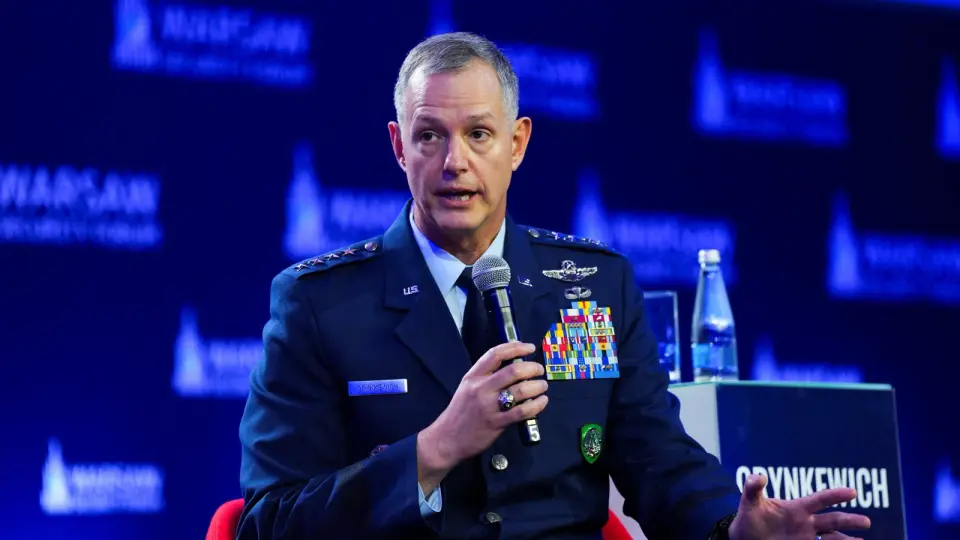
NATO’s top commander, Gen. Alexus Grynkewich, publicly detailed a military strategy to deter Russian aggression during a speech in Warsaw, emphasizing that any attack on alliance territory would be futile. This reassurance comes amid rising tensions after President Trump agreed to import Russian diesel fuel and criticized Ukrainian President Volodymyr Zelenskyy, actions that European allies view as undermining pressure on Moscow. While the U.S. administration seeks to ease energy costs, NATO aims to maintain a unified front against escalating hybrid warfare and potential conventional attacks.
Key points
- Gen. Grynkewich disclosed NATO’s 'theory of victory,' a classified plan summarized as 'block, blunt and break,' to deter Moscow from attacking European allies.
- Trump struck a deal to import Russian diesel fuel, which European leaders and some U.S. Republicans condemned as easing pressure on Russia during an active conflict.
- Trump publicly demanded leadership change in Kyiv and blamed Zelenskyy for refusing peace deals, causing concern among European allies regarding U.S. commitment to defense.
- NATO acknowledged that while a direct Russian attack is not imminent, the alliance faces escalating sabotage, cyberattacks, and arson aimed at destabilizing support for Ukraine.
- Grynkewich praised Ukraine’s resilience, stating that despite Russian attacks on energy infrastructure, Ukrainians will survive the winter with increased resolve.
Background
This development follows a series of recent escalations, including a massive Ukrainian drone strike on Moscow’s oil infrastructure in early October and Europe’s efforts to define responses to Russian hybrid attacks. Prior to this week, European nations were debating how to counter sub-threshold aggression without triggering a wider war, while a U.S.-brokered energy ceasefire remained a point of contention between Kyiv and Washington.
How outlets are covering it
Outlets highlight a stark divergence in messaging between the U.S. civilian and military leadership. USA Today emphasizes the contradiction between Trump’s diesel deal and the general’s warnings, noting that European leaders like Estonia’s foreign minister argue that funding the aggressor hinders peace. The Washington Post frames the general’s speech as an attempt to signal strength to Moscow while simultaneously warning Kyiv to stop refinery strikes, exposing a split in Trump’s approach. The New York Times focuses on the strategic decision to declassify parts of NATO’s war plan to bolster confidence across 32 allied nations, noting that the alliance views a direct conflict as not 'imminent or inevitable' despite the hybrid threat environment.
Why it matters
The public disclosure of NATO’s war plan and the friction between U.S. energy policy and military strategy signal a potential shift in transatlantic relations. If European allies doubt Washington’s commitment due to the diesel deal, it could embolden Moscow to escalate hybrid or conventional attacks, destabilizing the security architecture in Europe.
What to watch
European leaders are expected to continue debating responses to Russian hybrid attacks, potentially including stricter visa and diplomatic restrictions. The U.S. administration will likely face continued pressure from allies and domestic critics regarding the diesel deal, while NATO will monitor Russian activities for signs of escalation beyond sub-threshold aggression.
- Trump's top NATO general: 'We will fight' if Russia attacks Europe USA Today
- U.S. and NATO commander vows to thwart Moscow, warns Kyiv over refinery strikes The Washington Post
- NATO Details Plan to Shield Ukraine’s European Allies From Russia The New York Times
- NATO general sets out tough military response to any 'foolish' Russian attack Reuters
- NATO’s Top Commander Lays Out Plan to Thwart a Russian Attack on the Alliance WSJ
Want the full story? Read the original reporting
Read on USA Today