
NATO Unveils 'Block, Blunt, Break' Doctrine to Counter Russian Hybrid Escalation
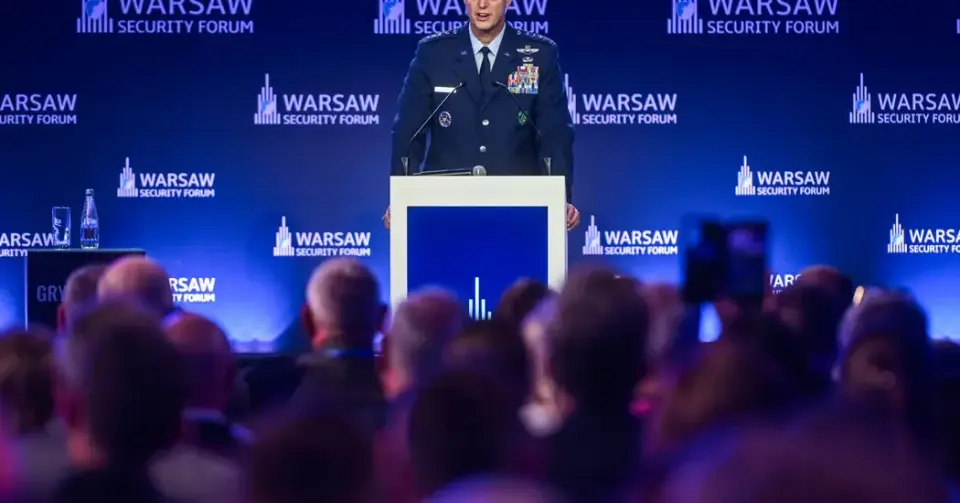
NATO’s top commander, Gen. Alexus G. Grynkewich, publicly outlined the alliance’s classified 'theory of victory' at the Warsaw Security Forum on October 12. The strategy, summarized as 'block, blunt, and break,' aims to deter Russia amid escalating sabotage, cyberattacks, and arson in Europe. While NATO denies an imminent conventional war, the move addresses growing fears of a 'hybrid' conflict. The announcement coincides with diplomatic tensions, including US President Donald Trump’s easing of sanctions on Russia for diesel fuel, which critics argue undermines Western unity.
Key points
- Gen. Grynkewich detailed NATO’s plan to block initial attacks, blunt advances, and break enemy war-fighting systems, including support structures.
- The disclosure was intended to reassure the 1 billion citizens of NATO member states amid rising anxiety over Russian hybrid operations.
- Polish Foreign Minister Radosław Sikorski warned that the risk of fatalities from Russian sabotage is rising, urging stricter controls on Russian diplomats and visas.
- US President Trump’s decision to ease sanctions on Russia to purchase diesel fuel created a visible rift between Washington’s transactional diplomacy and NATO’s military posture.
- European leaders, including Polish PM Donald Tusk, emphasized that Ukraine’s security is inextricably linked to NATO’s defense.
Background
This development follows a series of warnings in late 2026 about Russian 'hybrid' warfare. In September, Vladimir Putin denied plans to attack Europe while accusing Baltic states of violating Russian rights. Earlier that month, Polish PM Donald Tusk warned of potential 'accidental' drone strikes designed to avoid triggering Article 5. Recent archive coverage highlights Europe’s struggle to define a unified response to sub-threshold provocations without escalating to full-scale war.
How outlets are covering it
The New York Times highlights the contradiction between NATO’s unified military messaging and the US administration’s recent easing of sanctions on Russia for fuel purchases, framing it as a test of alliance solidarity. Al Jazeera focuses on the aggressive tone of Gen. Grynkewich’s warnings, emphasizing the threat to destroy 'anything and everything' that supports an attack. The Financial Times centers on the diplomatic and legal challenges, quoting Polish officials on the lack of a clear definition for when hybrid attacks constitute an armed attack under Article 5, and the need for stricter visa and consulate restrictions.
Why it matters
The public disclosure of NATO’s war plan signals a shift from passive deterrence to active, transparent deterrence in the face of non-kinetic threats. It underscores the fragility of the Western coalition as US policy diverges from European security priorities, potentially complicating efforts to maintain pressure on Russia while managing the risk of accidental escalation.
What to watch
EU foreign ministers are set to discuss restrictions on Russian diplomats and tourist visas in Luxembourg. The alliance will continue to monitor the 'hybrid' campaign, particularly during the critical late autumn and winter months, while navigating the diplomatic fallout from US-Russia energy deals.
- NATO Details Plan to Shield Ukraine’s European Allies From Russia The New York Times
- NATO’s Top Commander Lays Out Plan to Thwart a Russian Attack on the Alliance WSJ
- NATO general sets out tough military response to any 'foolish' Russian attack Reuters
- NATO says will do ‘anything and everything’ if alliance is attacked Al Jazeera
- Nato should prepare for deadly Russian ‘hybrid’ attack, says Poland Financial Times
Want the full story? Read the original reporting
Read on The New York Times