
CBO Report Links Iran War to $38B Cost, Inflation Spike, and Munitions Shortages
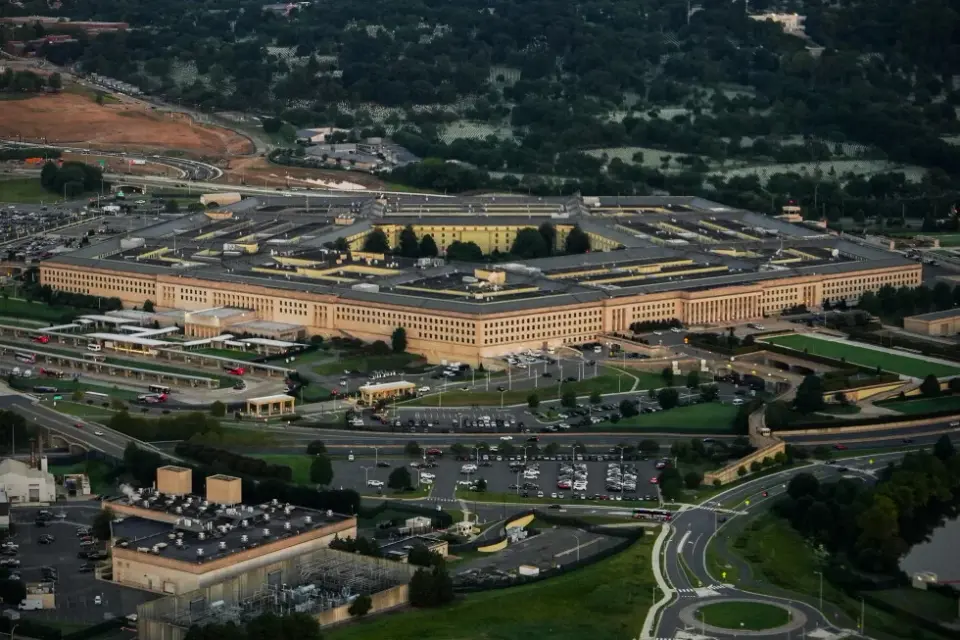
The Congressional Budget Office (CBO) estimates the U.S. conflict with Iran has cost approximately $38 billion through August 1, 2026. The report attributes over one-third of this year’s inflation rise to the war, driven by disrupted energy shipments through the Strait of Hormuz. While the Pentagon declined to cooperate with the CBO’s inquiry, a separate Defense Department inspector general report confirmed 'strategic inventory shortfalls' in munitions and 'industrial base bottlenecks' in resupply. These findings contradict President Trump’s claims that U.S. ammunition supplies are 'virtually unlimited.'
Key points
- CBO estimates total war costs at $38 billion as of August 1, including $22.3 billion in expended munitions and $3.7 billion in equipment losses.
- The war is responsible for over 40% of inflation in Q2 2026, with gasoline prices up 45% and diesel up 66% since the conflict began.
- A Pentagon inspector general report confirmed 'strategic inventory shortfalls' and supply chain bottlenecks, contradicting administration claims of unlimited stockpiles.
- Iranian strikes damaged hundreds of U.S. military and diplomatic buildings in the Middle East, with diplomatic facility damage alone costing $184 million.
- CBO estimates it will take five years to replace expended munitions, with replacement costs for missile interceptors alone reaching $13.1 billion.
Background
This report follows earlier CBO estimates from September 2026 that placed war costs at $38.1 billion and highlighted a five-year timeline for rebuilding depleted munitions stockpiles. Previous coverage noted that the House voted 220-204 to end the war via a war powers resolution, though the measure is unlikely to pass given the presidential veto. The current reports add new details on inflation impacts, specific equipment losses, and the Pentagon’s refusal to cooperate with the CBO’s inquiry.
How outlets are covering it
AP News and NBC News emphasize the CBO’s financial and inflationary impacts, noting that the war drove up borrowing costs and that the 30-year mortgage rate rose from under 6% to 7.22%. BBC and Military Times focus on the physical and logistical consequences, highlighting the Pentagon inspector general’s confirmation of munitions shortfalls and the destruction of dozens of aircraft, including four F-15Es and 30 MQ-9 drones. While the administration, including President Trump and Defense Secretary Pete Hegseth, has dismissed reports of shortages as 'fake news' and 'treasonous,' the independent CBO and inspector general reports provide concrete data on depleted stockpiles and rising costs. The Pentagon’s refusal to provide data to the CBO has been noted as a break from norms, adding uncertainty to the estimates.
Why it matters
The CBO report underscores the significant economic and military costs of the Iran war, linking it directly to rising inflation and depleted defense capabilities. The five-year timeline for rebuilding munitions stockpiles raises concerns about U.S. military readiness and future defense budgets. Additionally, the war’s impact on energy prices and interest rates affects everyday Americans, making it a key issue in the upcoming midterm elections. The discrepancy between the administration’s claims and independent reports highlights ongoing debates over transparency and the true cost of the conflict.
What to watch
The CBO expects inflation to continue rising in the first quarter of 2027, with interest rates likely to increase further. The Pentagon is working to 'streamline procurement processes and production lead times' to address munitions shortages, but the five-year timeline for replacement suggests ongoing challenges. The White House and Pentagon have not responded to requests for comment on the CBO findings, and the lack of a dedicated appropriation for the war means costs are being funneled from normal operating budgets, potentially affecting other military operations and readiness.
- Iran war has cost the US more than $38B, budget office says AP News
- Iran war has led to US munitions shortfalls, Pentagon inspector confirms BBC
- Iranian strikes damaged hundreds of US military buildings, dozens of aircraft Military Times
- Iran war driving up inflation for Americans, CBO report says NBC News
- Estimating the Cost of Combat Operations Against Iran Congressional Budget Office (.gov)
Want the full story? Read the original reporting
Read on AP News