
El-Sayed’s 2011 Drone Strike Criticism and Muslim Brotherhood Warnings Resurface
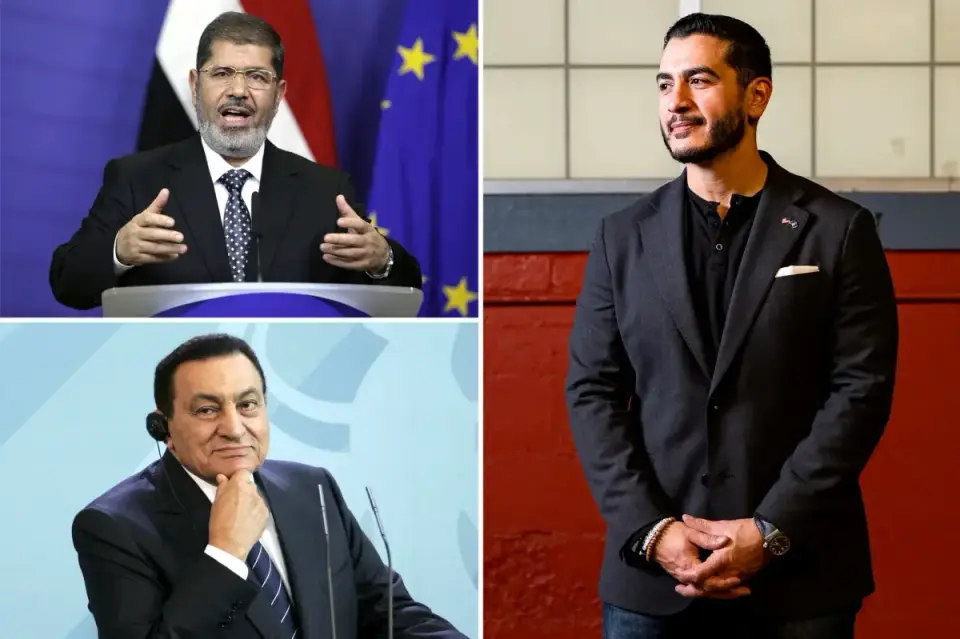
Michigan Sen.-elect Abdul El-Sayed faces renewed scrutiny over 2011 writings criticizing US drone strikes and warning against radical redistribution in Egypt. The articles, resurfaced by journalist Eitan Fischberger, highlight his opposition to the killing of US citizen Anwar al-Awlaki and his economic advice to post-revolution Egypt. El-Sayed, who recently defeated Mike Rogers, has denied ties to the Muslim Brotherhood, which is designated a terrorist group in several nations.
Key points
- El-Sayed criticized the 2011 drone strike that killed US citizen Anwar al-Awlaki, an al-Qaeda leader, calling it an extrajudicial assassination.
- In a 2012 piece, El-Sayed warned Egypt against adopting radical socialist policies, comparing the risks to North Korea’s economic stagnation.
- The resurfaced articles coincide with El-Sayed’s recent victory in the Michigan Senate race against Republican Mike Rogers.
- El-Sayed has denied ties to the Muslim Brotherhood, though family members have had associations with groups linked to the organization.
- The Muslim Brotherhood is designated a terrorist organization in Egypt and other Middle Eastern countries, though not in the US.
Background
El-Sayed’s candidacy was marked by intense scrutiny over alleged connections to the Muslim Brotherhood and national security concerns. In October 2026, he confirmed his sister-in-law was placed on a federal terrorist watchlist during the Obama administration, a move he defended as erroneous. The campaign also featured heated exchanges with opponent Mike Rogers, including a social media feud involving a 'terrorist' label. These earlier controversies set the stage for the current resurfacing of his 2011 and 2012 writings, which critics argue highlight inconsistencies in his foreign policy stance.
Why it matters
The resurfacing of El-Sayed’s early writings raises questions about the consistency of his foreign policy positions and his relationship with Islamist groups. As a newly elected senator, his past critiques of drone strikes and economic advice to Egypt may influence his approach to national security and international relations. The controversy also underscores the ongoing debate over the Muslim Brotherhood’s role in US politics and the scrutiny faced by candidates with complex family histories.
What to watch
El-Sayed will likely face continued scrutiny from opponents and media regarding his past writings and family connections. His Senate committee assignments and early legislative actions may be examined for alignment with his 2011 and 2012 positions. The Muslim Brotherhood’s status in the US and its influence on domestic politics may also become a focal point in future debates.
Want the full story? Read the original reporting
Read on New York Post