
EU Summit Derails as Right-Wing Bloc Fights to Delay Carbon Tax on Cars and Heating
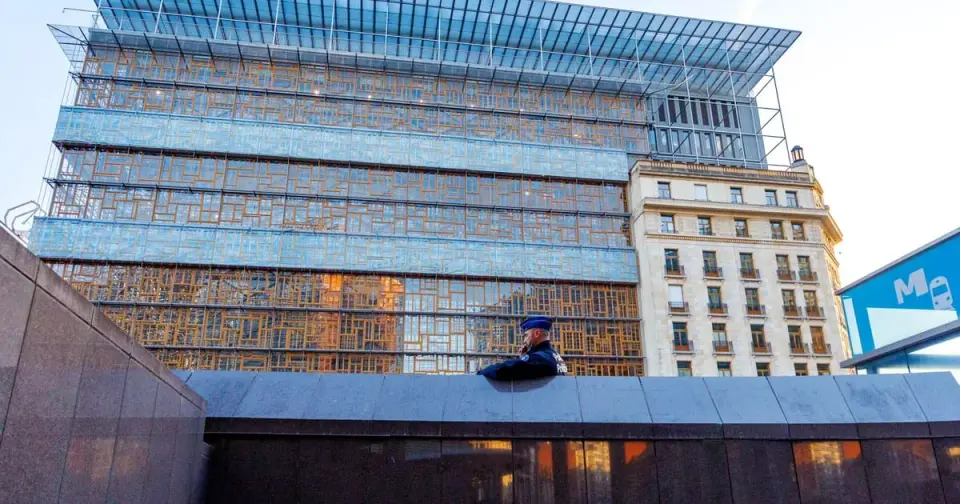
The October 14 EU leaders' summit in Brussels was consumed by a three-hour dispute over the ETS2 carbon tax, delaying scheduled discussions on energy prices. Right-leaning nations, led by Italy and Poland, demanded a two-year delay or full scrapping of the law, which would price carbon in transport and heating from 2028. While the proposal was rejected by a majority, the clash highlights deepening tensions between climate goals and household cost concerns. The conflict also reflects broader political shifts, as far-right parties in France and Germany gain traction by opposing the Emissions Trading System, threatening the long-term support of traditional allies like France and Germany for EU climate mechanisms.
Key points
- The first session of the EU leaders' summit on October 14, 2026, devolved into a three-hour argument over the ETS2 carbon tax, pushing the scheduled lunch well into the afternoon.
- Italy, Poland, Czechia, and Hungary called for a two-year delay of ETS2, which is set to impose a carbon price on heating and transport starting in 2028, while Estonia suggested scrapping the law entirely.
- The proposal to delay or cancel ETS2 was rejected by a majority of EU leaders, with diplomats describing the offer as 'unacceptable' and stating the launch date would not change.
- The dispute extends to the broader Emissions Trading System (ETS), with Italy and Poland leading a group of 16 member states seeking to weaken the European Commission's July review of the ETS, which already softens carbon restrictions for industry.
- Nordic countries and the Netherlands firmly opposed changes to ETS2, backed by France and Germany, though the latter two face growing political pressure from far-right parties that oppose the ETS.
- The conflict reflects a growing narrative among right-leaning governments that the EU's green agenda conflicts with efforts to reduce energy costs, a framing that has found support among domestic audiences in countries like Poland and Italy.
Background
This summit follows a period of heightened political tension in Europe, where far-right parties have gained significant traction by opposing EU climate policies. In Germany, the Alternative für Deutschland won the largest share of votes in two regional elections in September, while in France, Marine Le Pen's National Rally is leading in polls ahead of 2027 elections. These parties have framed the Emissions Trading System as a burden on households, contributing to the current diplomatic standoff. The broader context includes ongoing debates in the European Parliament and Council of the EU regarding reforms to the ETS, with Italy and Poland leading a coalition of 16 member states seeking to weaken the system's impact on energy costs.
Why it matters
The outcome of this summit will determine the trajectory of the EU's most powerful climate policy tools, ETS2 and the ETS, which are critical for reducing planet-warming emissions. The rejection of the delay proposal by a majority of leaders signals a commitment to maintaining the current timeline, but the deep divisions exposed could weaken the political consensus needed for future climate legislation. The growing influence of far-right parties in key EU states like France and Germany threatens the long-term viability of these policies, as these parties have successfully framed the ETS as a burden on households, potentially leading to further political instability and policy reversals in the coming years.
What to watch
The EU leaders will continue their summit discussions, likely returning to the original agenda of addressing soaring energy prices, but the ETS2 dispute may continue to dominate the conversation. The European Parliament and Council of the EU will proceed with debates on the ETS reform, with the 16-member coalition led by Italy and Poland likely to push for further weakening of carbon restrictions. In the short term, the political pressure on France and Germany from far-right parties could influence their stance on future climate policies, potentially leading to compromises or delays in implementing the ETS2 and ETS reforms. The outcome of the 2027 French elections will be a key factor in determining the long-term support for EU climate mechanisms.
- EU leaders’ summit descends into 3-hour argument over taxing car emissions POLITICO.eu
- EU resists bid to weaken emissions rules as leaders spar over energy costs Financial Times
- Costa angers EU leaders as splits mar summit POLITICO.eu
- Remarks by President António Costa at the press conference following the European Council meeting of 15-16 October 2026 Consilium.europa.eu
- EU leaders kick off summit with wrangles over high energy prices and spending Reuters
Want the full story? Read the original reporting
Read on POLITICO.eu