
Pre-Election Exodus: Russians Flee Ahead of Feared Mobilization
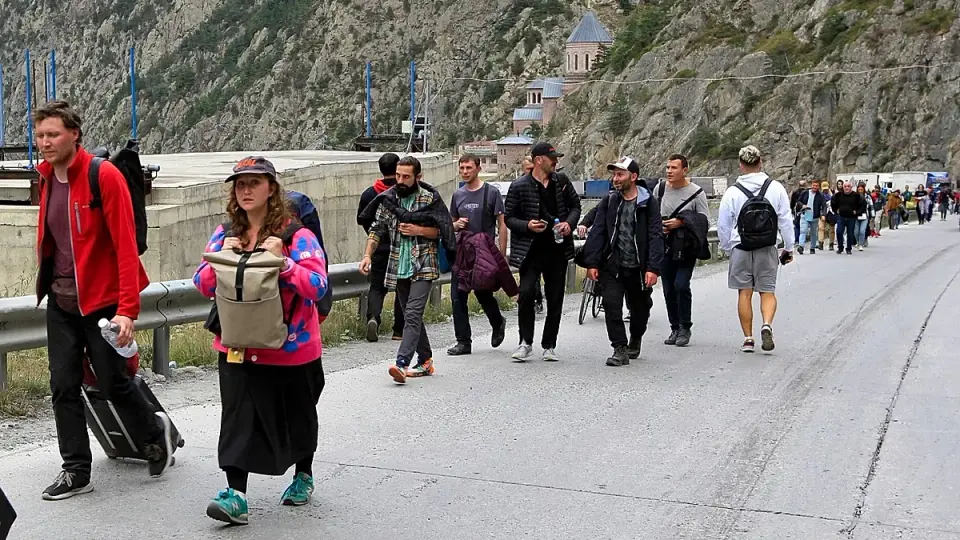
A surge in emigration from Russia has coincided with the State Duma elections, driven by fears of a new military draft. Requests for relocation assistance have nearly doubled since summer, while officials reportedly move assets abroad. Kremlin leaders deny mobilization plans, but exit bans and search trends suggest preparations are underway.
Key points
- Requests for emergency assistance and emigration advice from Russia have nearly octupled since the start of summer, according to the anti-war project Ark.
- Daily requests for relocation assistance have risen from approximately 70 to 120, with online searches for 'how to leave' reaching their highest levels since early 2023.
- An electronic register of summonses has been introduced, automatically triggering exit bans when mobilization notices are issued, as seen in a recent case in Krasnodar.
- Bloomberg reports that senior Russian officials and draft office staff are opening foreign bank accounts and moving assets abroad in anticipation of a potential call-up.
- Arrivals are primarily heading to visa-free destinations such as Armenia, Georgia, and Kazakhstan, with Armenia facing a potential migration crisis.
Background
This exodus follows a pattern of denial and subsequent mobilization seen in 2022, when 600,000 to 700,000 people left Russia within weeks of a partial mobilization announcement. Recent UN envoy statements in August indicated no mass mobilization was currently planned but did not rule it out after elections. The current wave occurs amidst ongoing Russian strikes on Ukrainian cities and heightened tensions in the conflict.
How outlets are covering it
Euronews and Meduza highlight the disconnect between Kremlin denials and on-the-ground preparations, noting that Putin has dismissed mobilization rumors as 'utter nonsense' while independent media count 17 official denials since summer. Bloomberg emphasizes the behavior of the elite, reporting that officials are moving assets abroad, a move not detailed in other sources. AP News provides a broader view of the uncertainty and fear driving the exodus, while Euronews focuses on the specific mechanisms like exit bans and search trends. All sources agree on the timing of the exodus relative to the State Duma elections, but differ in their emphasis on the scale and the involvement of the elite.
Why it matters
The pre-emptive exodus indicates a significant loss of confidence in the Kremlin's stability and a fear of forced military service. The introduction of automatic exit bans and the movement of assets by officials suggest that the government is preparing for a potential mobilization, despite public denials. This could have long-term implications for Russia's demographic and economic stability, as well as the intensity of the war in Ukraine.
What to watch
The outcome of the State Duma elections will be a key indicator of whether a mobilization announcement follows. The scale of the exodus may continue to grow if exit bans are enforced more widely. The behavior of the elite and the movement of assets abroad could signal a broader shift in the Russian power structure's priorities. International observers will watch for any official announcements or changes in military recruitment policies.
- Russians leave before election ends, fearing mobilisation to follow Euronews.com
- Russian Offensive Campaign Assessment, September 18, 2026 Institute for the Study of War
- Russians Fear Putin Will Send Them to War Once Election Is Over Bloomberg
- Some Russians are fleeing abroad, citing draft fears and a loss of freedom AP News
- Russian officials trying to move assets abroad and open foreign bank accounts amid mobilization rumors, Bloomberg reports Meduza
Want the full story? Read the original reporting
Read on Euronews.com