
Iran’s leadership pauses hijab enforcement to preserve stability amid war and unrest
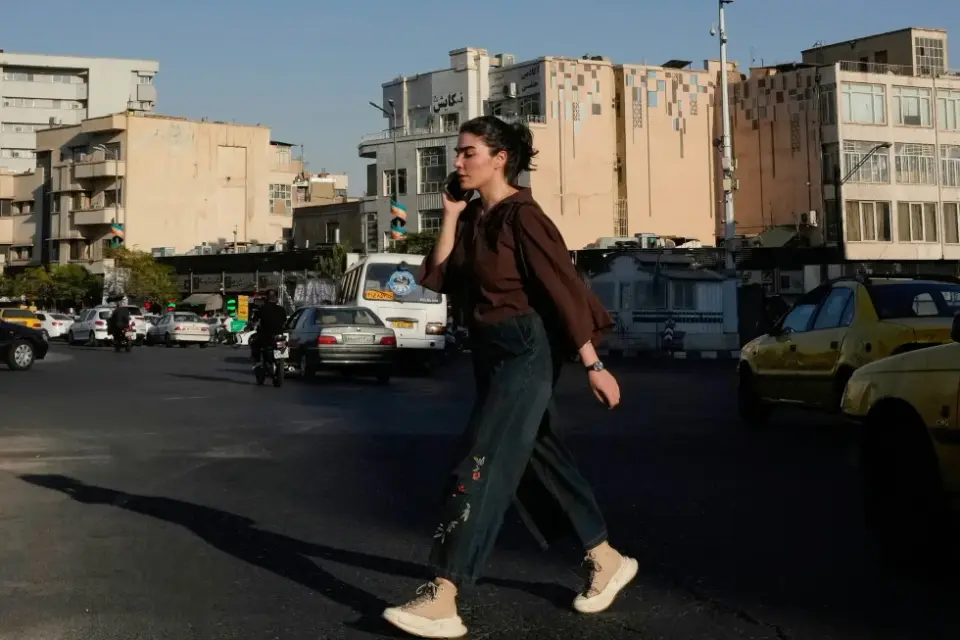
Iranian authorities are hesitating to strictly enforce mandatory headscarf rules due to fears of social unrest and ongoing conflict. While hardliners push for stricter compliance, pragmatists and security officials prioritize internal cohesion. Women are increasingly ignoring dress codes without facing immediate repercussions, signaling a shift in enforcement despite the hijab's historical importance to the regime.
Key points
- Iranian leaders are cautious about enforcing hijab rules to avoid provoking popular unrest, especially after nationwide protests in January that resulted in thousands of deaths.
- Hard-line figures linked to the supreme leader’s office, such as Ahmad Alamolhoda and Abdol Hossein Khosrowpanah, have called for stricter enforcement, blaming President Masoud Pezeshkian for blocking tougher policies.
- Security forces, including the Basij under new head Hossein Taeb, have been instructed to address the headscarf issue without harming 'internal cohesion,' echoing the late supreme leader’s focus on the war effort.
- Women in Tehran are increasingly going without headscarves in public spaces, including government offices and street checkpoints, without facing immediate intervention from authorities.
- The hijab has been a central pillar of clerical rule since 1979, and its enforcement has historically been a lightning-rod issue dividing pragmatists from hardliners within Iran’s ruling theocracy.
Background
The mandatory hijab has been a defining tenet of Iran’s clerical rule since the 1979 revolution, following the monarchy’s forced removal of headscarves in the 1930s. Recent protests in January 2026, triggered by a currency crash, led to nationwide marches and a severe crackdown that killed thousands. The current hesitation to enforce hijab rules follows the death of Ayatollah Ali Khamenei in an Israeli strike on February 28, 2026, and the subsequent focus on the war effort by his successor.
Why it matters
The hesitation to enforce hijab rules reflects a broader struggle within Iran’s leadership to balance ideological rigidity with pragmatic stability. This decision could signal a shift in the regime’s approach to social control, potentially influencing future policies on women’s rights and public dissent. It also highlights the impact of external pressures, such as U.S. sanctions and internal unrest, on Iran’s domestic governance.
What to watch
Authorities may continue to prioritize internal cohesion over strict enforcement of hijab rules, especially if the war effort or economic instability intensifies. However, hard-line figures may push for renewed crackdowns if they perceive a weakening of social order. The outcome will depend on the balance between pragmatism and ideological pressure within Iran’s ruling theocracy.
Want the full story? Read the original reporting
Read on AP News