
Latvia’s PM Kulbergs Faces Coalition Crisis as Russian-Speaker Vote Fractures
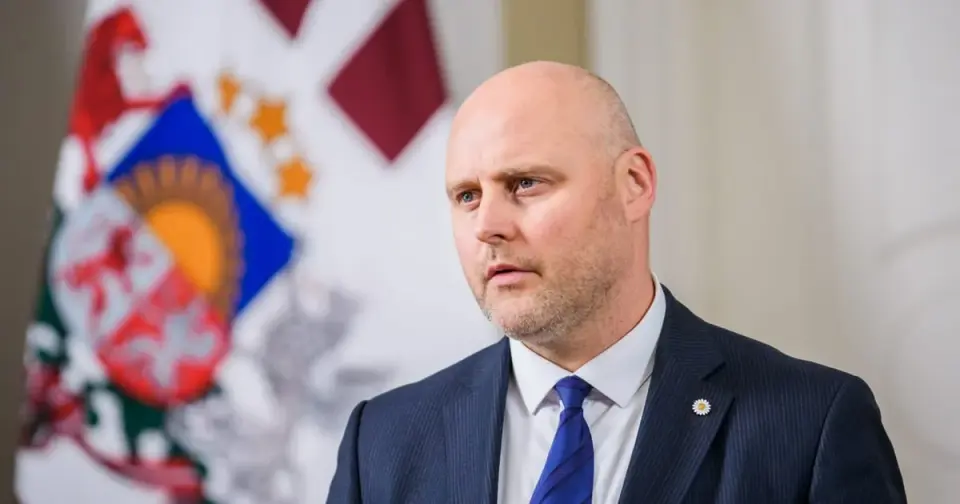
Latvian Prime Minister Andris Kulbergs is set to win the October 3 parliamentary election, but his victory may be hollow due to the likely failure of his coalition partners to clear the 5% threshold. Kulbergs’ United List party is polling at approximately 20%, yet his centrist allies, New Unity and the Union of Greens and Farmers, are struggling to secure seats. This could force Kulbergs into an unlikely alliance with right-wing veteran Ainārs Šlesers, who advocates for expanded trade with Russia. The election is overshadowed by recent EU sanctions disputes, where Latvia successfully blocked the delisting of two Russian billionaires, and by the collapse of traditional political representation for Latvia’s Russian-speaking population.
Key points
- Kulbergs’ United List party is leading polls at 20%, but his coalition partners New Unity and ZZS are below the 5% electoral threshold.
- If his partners fail to enter parliament, Kulbergs may need to negotiate with Ainārs Šlesers, a right-wing figure who opposes restrictive tariffs on Russia.
- Latvia recently blocked the delisting of two Russian billionaires from EU sanctions, a move Kulbergs used to bolster his pro-Ukraine stance.
- Traditional parties representing Russian speakers, such as Harmony Center, have collapsed, leaving a fragmented political landscape for the 35% of citizens who speak Russian at home.
- Voters are frustrated by high inflation, uncertainty surrounding airBaltic, and migration issues, shifting the political pendulum away from previous pro-Ukraine rally effects.
Background
This election follows a period of significant political realignment in Latvia. In 2022, New Unity benefited from a rally-around-the-flag moment following Russia’s invasion of Ukraine. However, the political landscape for Russian speakers has fragmented since the collapse of the Harmony Center party and the dissolution of the For Stability! faction in early 2026. The current contest is also set against the backdrop of broader EU-Russia tensions, including recent sanctions standoffs and the impact of Russian hybrid warfare on Baltic security.
How outlets are covering it
POLITICO emphasizes the immediate political risk to Kulbergs, highlighting the potential necessity of a coalition with Šlesers if his current partners fail to clear the threshold. It frames the recent EU sanctions standoff as a potential boost for Kulbergs’ visibility. Meduza focuses on the structural collapse of political representation for Russian speakers, noting that while new parties like Latvia First and Sovereign Power are capturing this vote, they often hold pro-Russia or anti-Western views. Meduza argues that pro-European Russian speakers are left without a clear political home, as mainstream parties have restricted Russian language use, while populist groups are viewed with suspicion for their ties to Moscow.
Why it matters
The outcome will determine whether Latvia maintains its hardline stance on Russia within the EU or shifts toward a more pragmatic, trade-focused approach. A coalition with Šlesers could signal a softening of Latvia’s position on Russian sanctions and trade, potentially affecting EU cohesion. Additionally, the fragmentation of the Russian-speaking vote indicates a deeper societal rift, where language and national identity are becoming increasingly polarized by the war in Ukraine.
What to watch
Kulbergs will need to form a governing coalition within weeks of the election. If New Unity and ZZS fail to clear the 5% threshold, he may be forced to negotiate with Šlesers or other right-wing parties. The EU will also monitor Latvia’s stance on sanctions and military cooperation, particularly regarding France’s nuclear deterrence initiative. The political landscape for Russian speakers will likely remain fragmented, with no single party able to unify the community.
- Latvian PM faces bittersweet victory in election backdropped by Russia politico.eu
- Latvians head to the parliamentary elections with Russia on their minds DW.com
- Latvians vote in election in shadow of drone incursions and war in Ukraine Reuters
- Russian-speaking Latvians who back Ukraine and value their language are heading into an election without an obvious political home Meduza
- Latvian Leader Poised for Re-Election in Vote Shadowed by Putin Bloomberg.com
Want the full story? Read the original reporting
Read on politico.eu