
Parallel Falls: How Youth Movements Ousted Orbán and Vučić
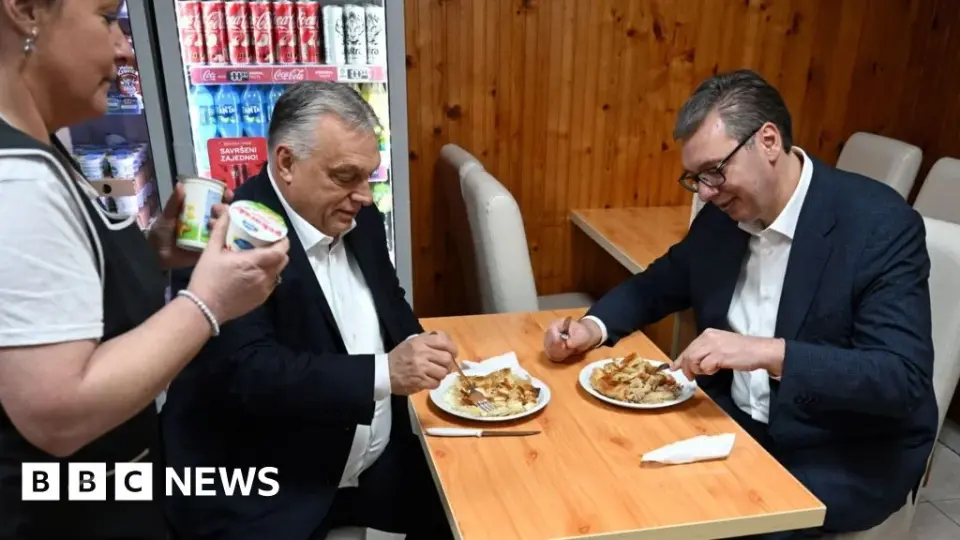
Serbian President Aleksandar Vučić and Hungarian Prime Minister Viktor Orbán were both ousted within months of each other by youth-led movements. Despite differing structures, both opposition groups utilized similar tech-driven strategies and election monitoring to defeat long-ruling nationalist leaders who had previously appeared invincible.
Key points
- Viktor Orbán lost power in April to Péter Magyar’s Tisza party, while Aleksandar Vučić was defeated last Sunday by the Student List in Serbia.
- Both elections saw high turnout, with 79% in Hungary and 69% in Serbia, driven by tech-savvy young voters.
- Hungarian civic group DE sent 70 monitors to Serbia to share techniques for identifying potential fraud and intimidation at polling stations.
- Both leaders conceded defeat at exactly 21:30, a moment observers noted as strikingly similar.
- The Student List won 140 seats in the 250-seat Serbian parliament, matching the 140 seats Tisza won in the 199-seat Hungarian parliament.
- Both former leaders may face prosecution for corruption and abuse of power under new special judicial bodies in their respective countries.
Background
Prior to these elections, both leaders had ruled for over a decade, controlling state institutions and business empires. In October 2026, the new Hungarian government under Péter Magyar repealed anti-LGBTQ laws, signaling a shift from Orbán’s policies. The fall of Vučić was catalyzed by a 2024 railway station collapse in Novi Sad that killed 16 people, sparking the student movement.
Why it matters
The simultaneous collapse of two long-standing authoritarian regimes in the Balkans signals a potential shift in the region's political landscape. It demonstrates how coordinated, technology-assisted civil society can overcome entrenched power structures, potentially influencing democratic movements across Europe.
What to watch
Both Orbán and Vučić may face legal consequences for corruption. The new governments in Hungary and Serbia will likely focus on reversing previous policies and addressing EU integration issues, while former allies may cooperate on legal strategies.
Want the full story? Read the original reporting
Read on BBC