
Thiel’s Argentina Move Sparks Debate Over Tech Power and Data Laws
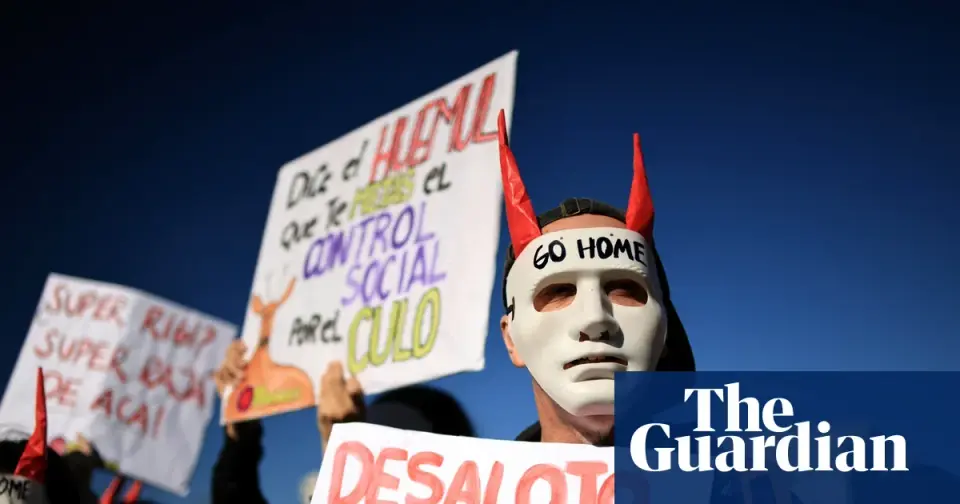
Protesters gathered outside Peter Thiel’s Buenos Aires home after Argentine lawmakers questioned his influence on new tech-friendly regulations. Critics argue his presence aligns with a 'technofascist' legislative package favoring foreign tech giants, while supporters view the move as pragmatic hedging against global instability. No direct evidence links Thiel to the laws, but his closed-door meetings with President Javier Milei and unanswered questions about Palantir contracts have fueled suspicion.
Key points
- Protesters wearing white masks gathered at Thiel’s $12 million Buenos Aires residence, holding signs reading 'Peter Thief' and 'No to the Peter Thiel law.'
- The Argentine chamber of deputies held a six-hour debate on regulatory changes, including a 'super RIGI' law offering foreign companies minimal taxes and 30-year regulatory stability, specifically targeting AI datacentres.
- Lawmakers requested information about Thiel’s meetings and businesses, but the government and Thiel did not respond or attend the session.
- A failed law aimed to remove restrictions on foreign land ownership, potentially enabling 'startup cities' like the Próspera project in Honduras, which Thiel has previously supported.
- A new decree requires some civilian government departments to share personal data with state intelligence services, raising concerns about Palantir’s potential undisclosed contracts with the Argentine state.
Background
Thiel moved his family to Argentina in April, purchasing a mansion in Buenos Aires. This follows earlier discussions about tech billionaires seeking geopolitical stability, though this specific move is tied to recent legislative changes in Argentina. The archive does not contain relevant background on Thiel or Argentine tech policy, so no additional context is provided from prior articles.
Why it matters
Thiel’s presence in Argentina highlights the growing intersection of private tech power and state regulation. If the proposed laws pass, they could create a precedent for minimal oversight of foreign tech investments and mass data collection, potentially undermining privacy rights and democratic accountability in the region.
What to watch
Lawmakers may continue to press for transparency regarding Thiel’s interactions with the Milei government and Palantir’s contracts. Public opposition could intensify if the 'super RIGI' or data-sharing decrees advance, potentially leading to further protests or legislative delays.
Want the full story? Read the original reporting
Read on The Guardian