
Russia Removes Gulag Memorials Amid Stalin Rehabilitation
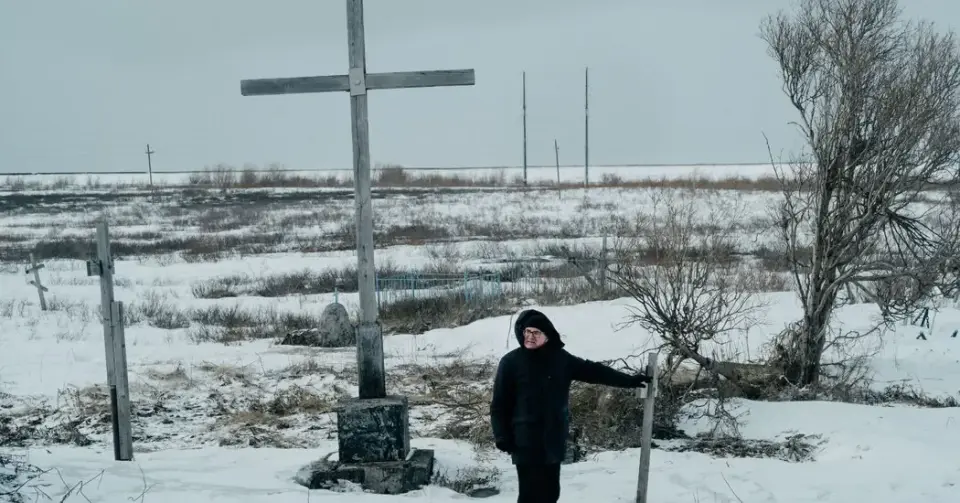
Russian authorities are systematically removing memorial plaques dedicated to victims of the Soviet Gulag, a move that coincides with an accelerated state-led rehabilitation of Joseph Stalin. This erasure of historical memory is occurring against the backdrop of Russia's ongoing war in Ukraine, where the Kremlin is increasingly linking historical repression to current wartime mobilization. The removals, documented in the Russian Arctic near Vorkuta, have prompted local historians to note that the city's infrastructure was built by forced labor, a narrative the state is now actively suppressing.
Key points
- The Kremlin is accelerating the rehabilitation of Joseph Stalin, the leader who presided over the brutal Gulag labor camps, during the war in Ukraine.
- Memorial plaques honoring Gulag victims are being removed across Russia, including in the Russian Arctic near the city of Vorkuta.
- Historian Aleksandr V. Kolmakov noted that local institutions and infrastructure in Vorkuta were built by prisoners, a history the state is now erasing.
- The removal of these plaques is part of a broader state strategy that links historical repression to current wartime mobilization efforts.
- The actions coincide with rising Russian military casualties in Ukraine, suggesting a deliberate effort to reshape historical memory to support the war effort.
Background
This development follows the recent unveiling of a bronze plaque in central Moscow honoring Felix Dzerzhinsky, the founder of the Soviet secret police, as an 'outstanding statesman' in late November 2026. That event highlighted a state strategy linking historical repression to current wartime mobilization. The current removal of Gulag memorals extends this trend, targeting the memory of the Vorkutlag, one of the largest and most notorious labor camps in the Soviet Union, which operated from 1932 to 1962 and forced prisoners to work in coal mines and forestry under brutal conditions.
Why it matters
The erasure of Gulag memorials signals a fundamental shift in how the Russian state frames its history, moving from acknowledging the horrors of Stalinism to celebrating it. This rehabilitation of Stalin serves to legitimize the current regime's authoritarian tactics and provides a historical justification for the harsh mobilization and repression being employed in the war against Ukraine. By removing physical reminders of past atrocities, the state aims to suppress dissent and foster a narrative of strength and unity, potentially making the public more accepting of the current conflict's costs.
What to watch
The systematic removal of Gulag memorials is expected to continue as part of the broader state strategy to rehabilitate Stalin and suppress historical memory. This may lead to further erasure of sites related to Soviet repression, potentially including other locations associated with the Gulag system. The ongoing war in Ukraine is likely to accelerate these efforts, as the state seeks to unify the population around a narrative of historical strength and resilience, potentially leading to increased repression of dissent and historical revisionism.
- Plaque by Plaque, Russia Erases the Memory of the Gulag’s Horrors The New York Times
- Video: Why Russia Is Erasing Stalin’s Crimes The New York Times
Want the full story? Read the original reporting
Read on The New York Times