
Argentina Enacts Central Bank Charter Barring Money Printing for Government Spending
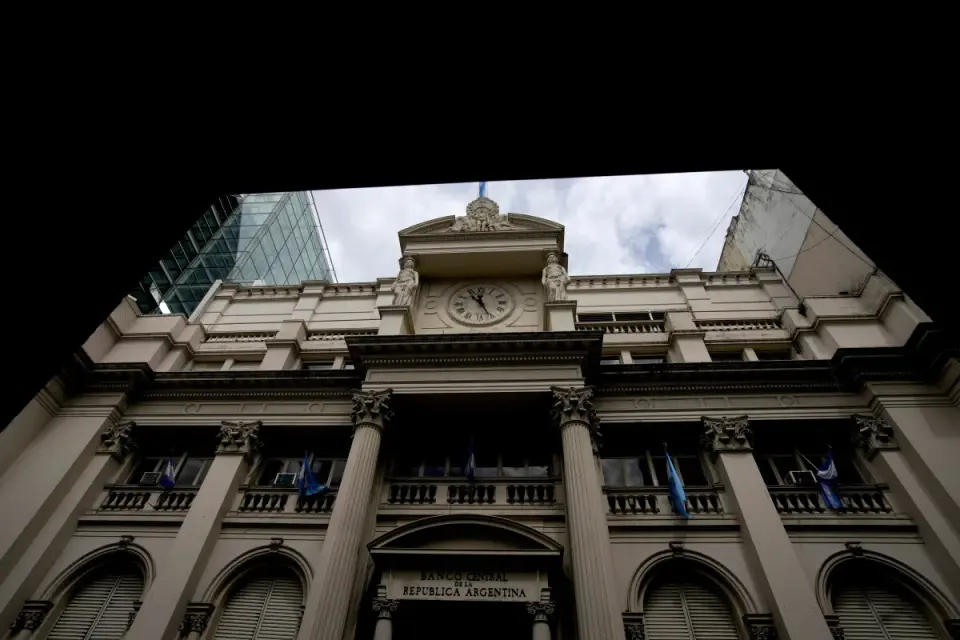
Argentina's Chamber of Deputies approved a new central bank charter on Thursday, legally barring the monetary authority from printing money or lending to the government to fund public spending. The law defines the bank's primary mission as preserving the value of the peso, a key pillar of President Javier Milei's strategy to combat chronic inflation. While the reform passed with 141 votes and no opposition, it fell short of Milei's original demand for a two-thirds supermajority to protect the bank governor from removal. The legislation comes amid signs of a potential recession and a separate Senate advance of a bill to suspend primary elections ahead of the 2027 presidential race, which critics argue is designed to shield Milei from early electoral pushback.
Key points
- The Chamber of Deputies passed the central bank charter reform 141-0, with 99 abstentions, on November 26, 2026, after the Senate approved a modified version in September.
- The new law bars the central bank from financing government spending at any level (national, provincial, municipal) and prohibits it from directly purchasing newly issued government bonds.
- The charter defines the bank's 'primary and fundamental mission' as preserving the value of the peso, removing employment and economic development goals added under former President Cristina Fernández de Kirchner.
- Milei's original bill required a two-thirds vote in both chambers to remove the central bank governor; the Senate removed this clause, and the lower house failed to restore it, allowing a president to replace the bank's leadership with a simple Senate majority.
- The reform follows a period of high inflation, which peaked at nearly 300% in early 2024 and fell to 33% in October 2026, though the economy contracted 0.6% in Q2 and an estimated 1.8% in Q3 2026, signaling a potential recession.
- On the same day, the Senate advanced a bill to suspend mandatory primary elections ahead of the 2027 presidential race, a move critics argue is intended to avoid an early electoral verdict that could spook markets and weaken Milei's support.
Background
Milei, a libertarian economist, won the 2023 presidency on a platform that included abolishing the central bank and replacing the peso with the U.S. dollar, though he later abandoned the dollarization plan in favor of fiscal discipline and central bank reform. Argentina has a long history of currency instability, with repeated cycles of monetary expansion to fund deficits leading to hyperinflation and currency crises. The 2023 election occurred amid a political void, with the Peronist government under Alberto Fernández having driven inflation toward 50% during COVID-19 lockdowns, and the center-right opposition led by Mauricio Macri diminished after his 2019 loss and the largest IMF bailout in history. Milei's administration has credited its austerity measures with reducing inflation, but critics note rising poverty and potential recession. The central bank was founded in 1935, and Milei's office described the new law as ending '91 years of plunder, expropriation, impunity and institutional decay.'
How outlets are covering it
AP, Al Jazeera, Bloomberg, and Yahoo Finance all agree that the central bank charter reform passed the Chamber of Deputies on November 26, 2026, with a 141-0 vote and 99 abstentions, and that the law bars the bank from financing government spending. AP and Yahoo Finance emphasize that the law fell short of Milei's original demand for a two-thirds supermajority to protect the bank governor, while Bloomberg notes that the bill had secured initial approval in the lower house in August but did not pass the Senate until September. Al Jazeera and AP highlight the simultaneous Senate advance of a bill to suspend primary elections, with Al Jazeera noting that the bill was not final and still needed to pass the Chamber of Deputies. AP and Al Jazeera both quote Buenos Aires province Governor Axel Kicillof, a potential Peronist challenger, who criticized the primary suspension as an attempt to 'change the rules of democracy to improve his chances of reelection by cheating.' AP notes that the law leaves currency controls in the bank's hands and sets no clear rule for how it should respond to inflation, while Yahoo Finance emphasizes that the bank will no longer be allowed to provide advances to the Finance Ministry or directly purchase newly issued government bonds. All sources acknowledge that the reform comes amid signs of a potential recession, with AP citing official data showing a 1.8% contraction in Q3 2026, and Yahoo Finance noting that confirmation of a recession will depend on full third-quarter figures expected in mid-December.
Why it matters
The central bank charter reform is a key pillar of Milei's strategy to combat chronic inflation, which has been a defining feature of Argentina's economy for decades. By legally barring the central bank from financing government spending, the law aims to break the cycle of monetary expansion that has fueled hyperinflation and currency crises in the past. However, the reform's limitations, particularly the lack of a supermajority requirement to remove the bank governor, may undermine its long-term effectiveness. The potential recession and rising poverty could erode Milei's support, and the suspension of primary elections may be seen as an attempt to avoid an early electoral verdict that could spook markets and weaken his position ahead of the 2027 presidential race. The reform also leaves currency controls in the bank's hands, which could limit the government's ability to manage the exchange rate and respond to inflation.
What to watch
The primary suspension bill, which passed the Senate on November 26, 2026, now goes to the Chamber of Deputies for a vote. If passed, it would suspend mandatory primary elections ahead of the 2027 presidential race, which is scheduled for October 24, 2027. Full third-quarter economic data is expected in mid-December 2026, which will confirm whether Argentina has entered a recession. Milei is expected to seek re-election in the 2027 presidential race, and the outcome of the primary suspension vote and the economic data will likely influence his support and the market's perception of his reforms.
- Argentina bans its central bank from printing money for the government AP News
- Argentina bars Central Bank from printing money to fund government spending Al Jazeera
- Milei’s Overhaul of Argentina’s Central Bank Wins Final Approval in Congress Bloomberg.com
- Argentina approves Milei's reform restricting central bank lending Yahoo Finance
- Argentina's central bank money printing ban passes without Milei's full lock Startup Fortune
Want the full story? Read the original reporting
Read on AP News